

A Tokyo Court Says a Voice Is Protected. Kenjiro Tsuda Still Loses His TikTok Case
A Tokyo court says a performer’s voice is protected by publicity rights, the same right that covers a famous face. Kenjiro Tsuda still loses his case against TikTok’s operator, because the AI-voiced videos he wanted gone were deleted before the judge could order it.
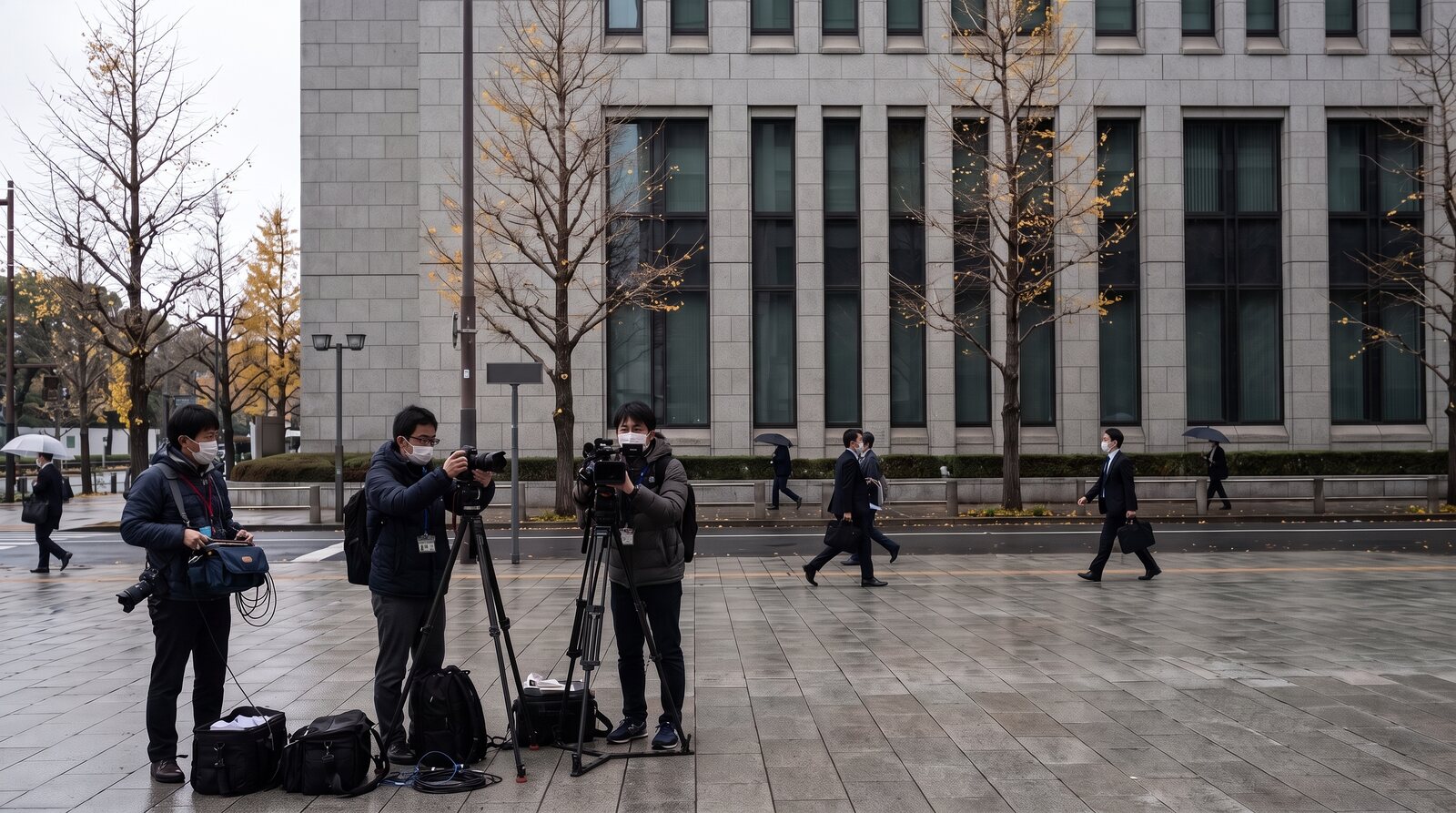
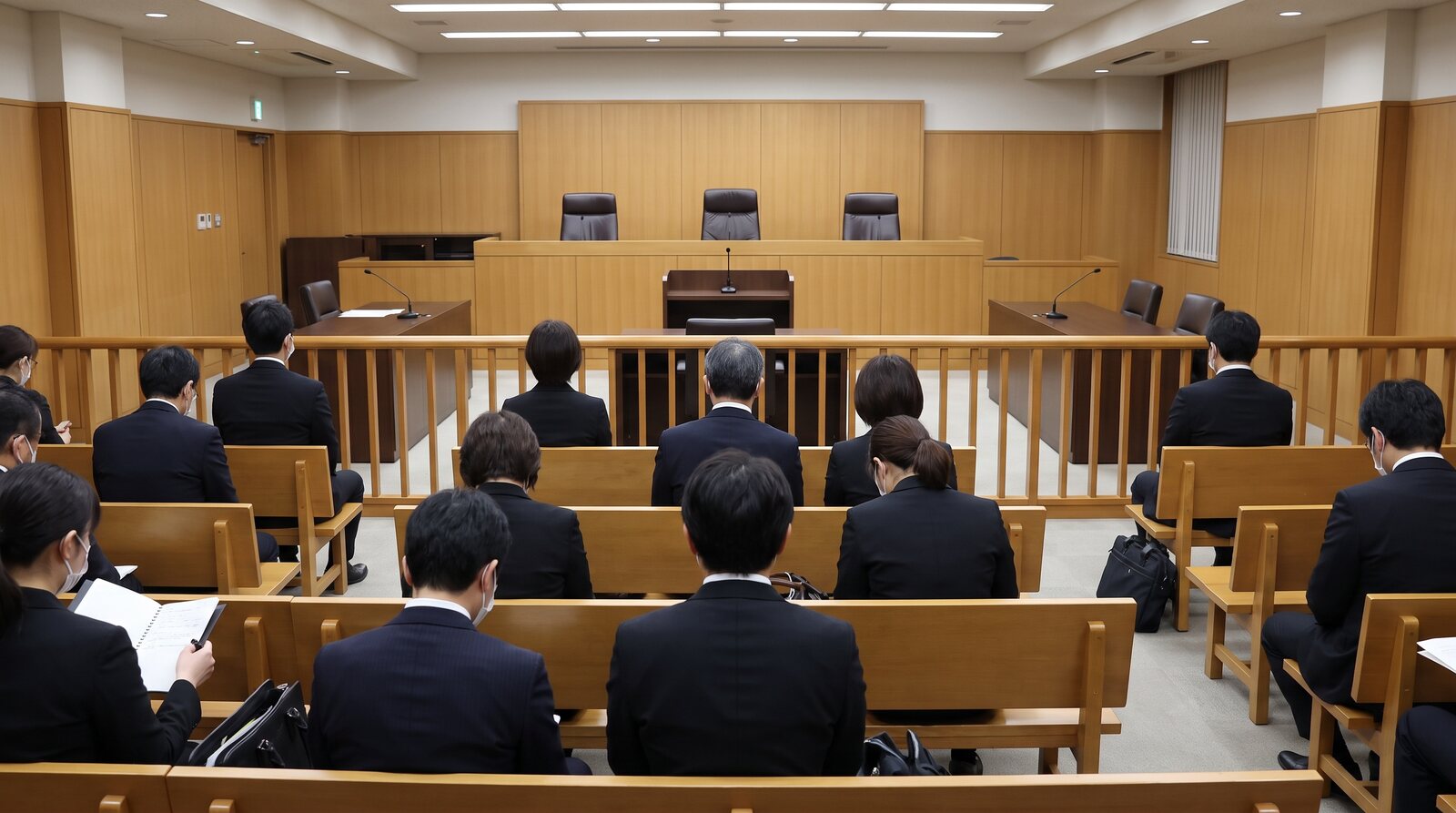
The Tokyo District Court dismissed Tsuda’s claim on Wednesday, September 30. Presiding judge Aya Takahashi found there was nothing left for TikTok to take down: the anonymous account that posted the videos had already been deleted. But in the same judgment, the court said for the first time that a voice can carry publicity rights on its own, a point Japanese law has never written down.
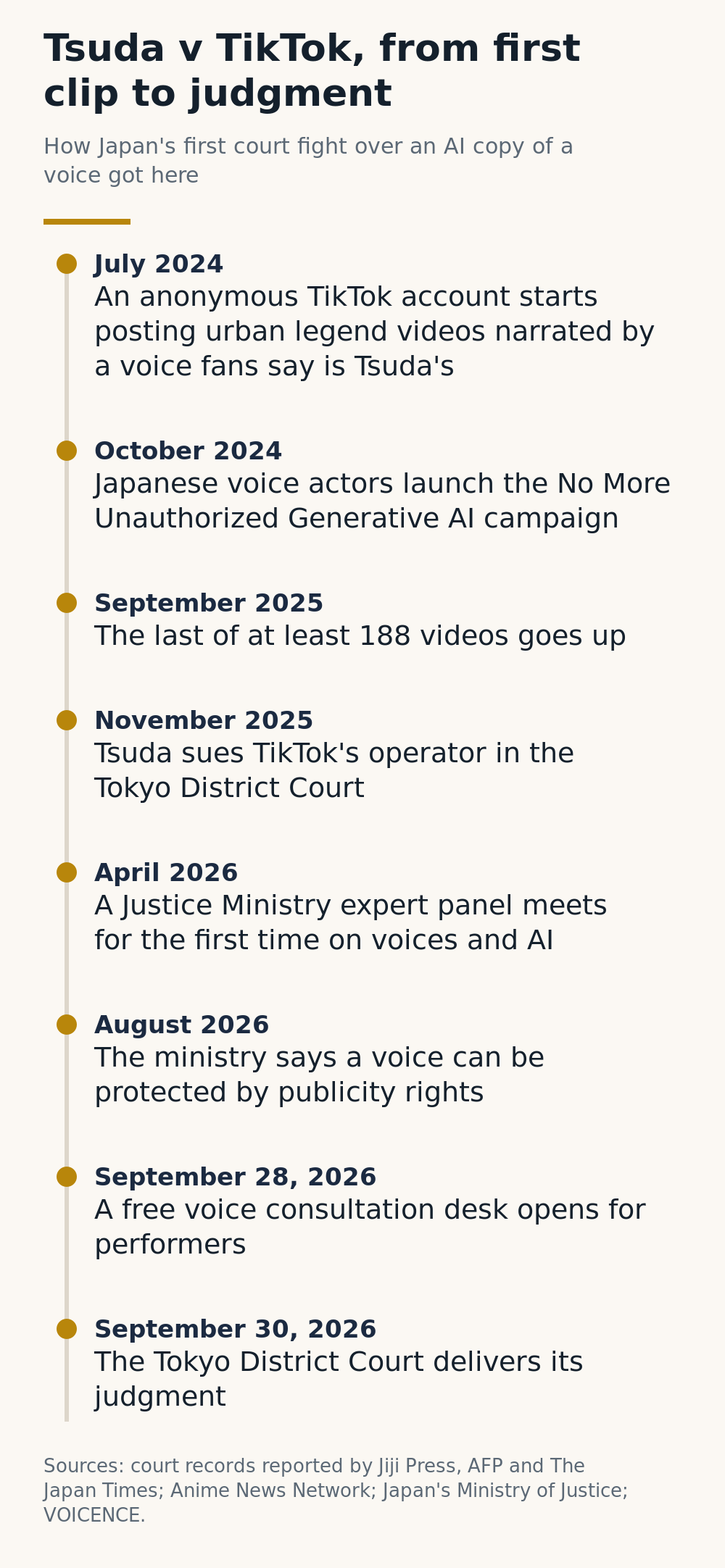
Tsuda, the Japanese voice of Kento Nanami in “Jujutsu Kaisen” and Seto Kaiba in “Yu-Gi-Oh!”, sued in November 2025. His target wasn’t the anonymous account that posted the videos. It was the platform that hosted them, and the question was whether TikTok had to take them down. Voice Over Herald laid out the case before the verdict.
The court says a voice belongs to the person
The judge was direct about the principle. “The unauthorized use of a performer’s voice… can be considered an infringement on publicity rights,” Takahashi said, according to AFP. It’s believed to be the first time a Japanese court has said so about a voice copied with generative AI.
The judgment also explains why. A person’s voice “can be called a symbol of the individual’s personality,” the court said, as reported by the Asahi Shimbun. Using a performer’s voice without permission breaches publicity rights when it’s used purely to cash in on the pull that voice has with an audience. That’s a narrower test than “sounds like someone famous”, and it’s the same one Japanese courts already use for photographs of celebrities.
What the court didn’t have to do was decide whether this narration actually was a copy of Tsuda. TikTok’s operator had also argued the suit no longer had a point once the account disappeared in May, and on that the court agreed. With no videos left to remove, there was no order to give.
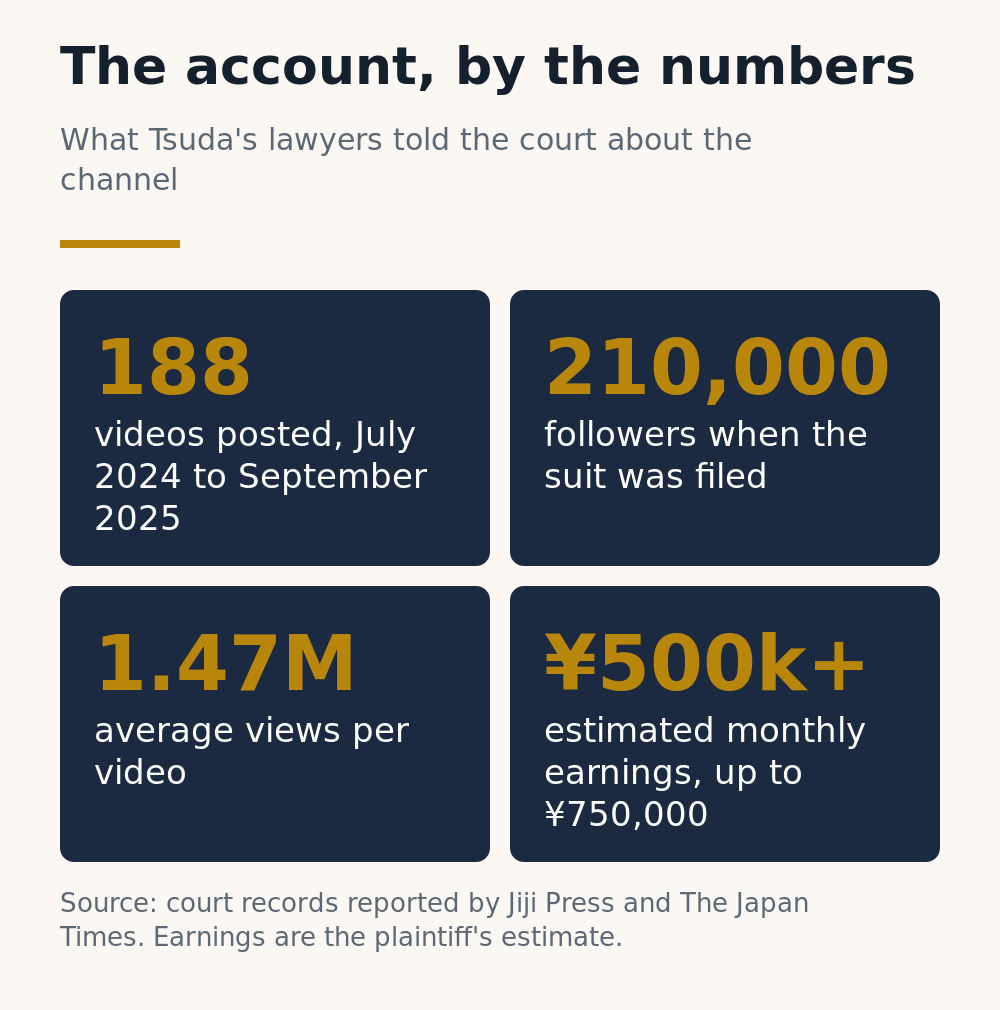
The account at the centre of it was no side project. According to court records reported by Jiji Press, it posted 188 videos about urban legends and the occult between July 2024 and September 2025, averaging 1.47 million views each. Tsuda’s side estimates the poster earned between 500,000 and 750,000 yen a month. Viewers kept leaving the same comment, Jiji reported: that it sounded like “Tsuken”, the nickname fans use for Tsuda.
Two stories about one voice
Tsuda’s lawyers argued the videos borrowed their value from him. The account’s content was ordinary, they said, and it was his low, textured voice that turned it into something people watched, which made it a breach of his publicity rights and of Japan’s unfair competition law.
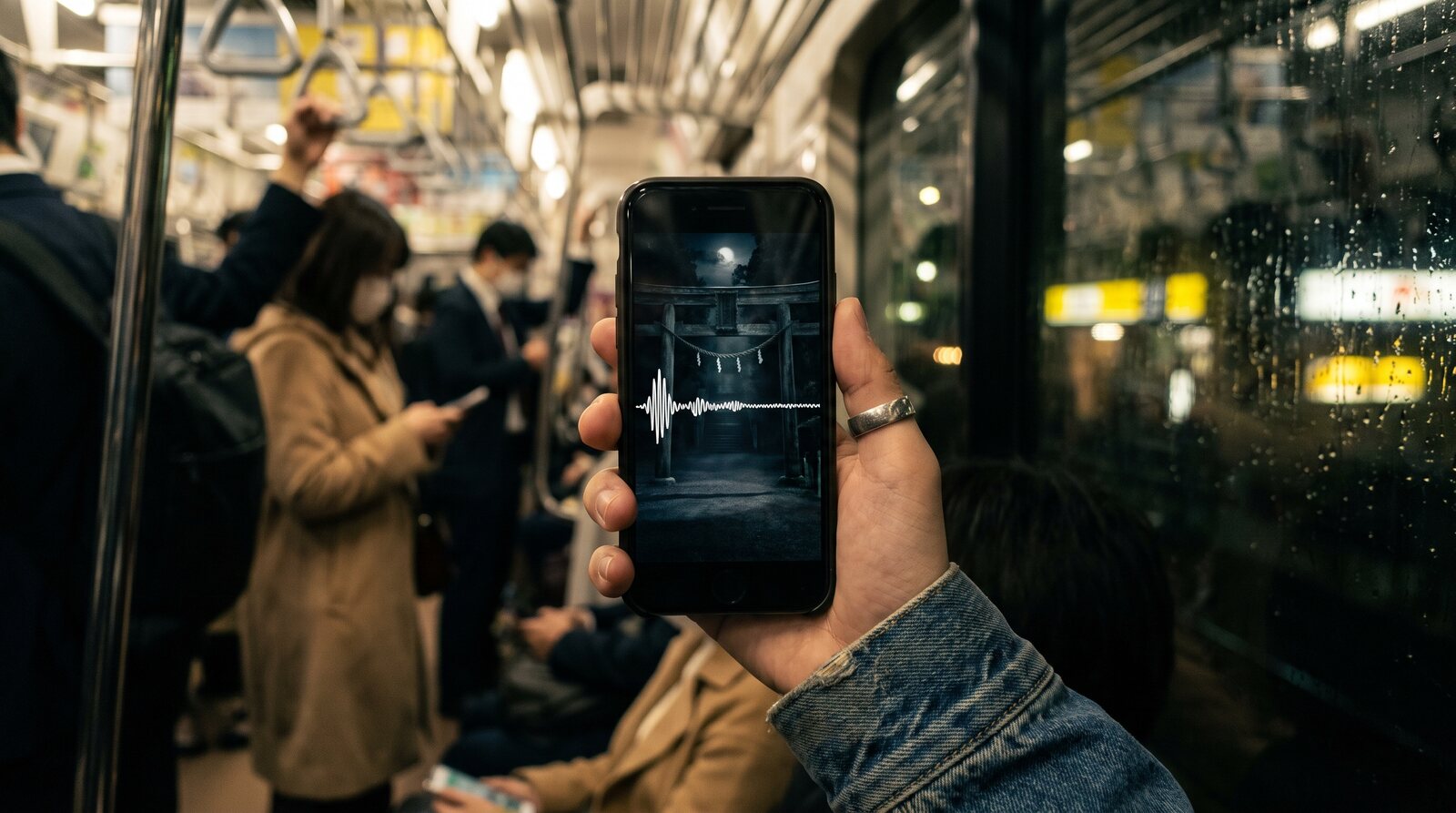
TikTok’s operator told a different story. It called the narration “a generic male voice” with nothing distinctive about the delivery, and said the poster had explained that the AI was trained on a friend’s voice, according to Jiji. It also argued that once the account was deleted after the suit was filed, there was nothing left to order.
The voice made the money
Ordinary videos drew huge audiences because they sounded like a famous actor. That’s his publicity right, and free-riding on a known name.
A generic male voice
Any likeness is subjective, the poster says a friend’s voice trained the AI, and the account is gone anyway.
A loss that both sides can call a win
Tsuda’s lawyer, Takashi Hirano, summed it up himself. The ruling “ended up making both sides look victorious,” he said, in comments carried by AFP. TikTok walks away without an order against it. Tsuda walks away with the principle he went to court for.
His lawyers say they won’t appeal, the Asahi Shimbun reported. That means Wednesday’s reasoning stands as the first word from a Japanese court on the question, at least until the next case.
 VoiceEditSuiteClean a session in ninety seconds, not three hours.
The Japan Actors Union, which has backed Tsuda from the start, put out a statement on the day. “We are grateful for Mr. Tsuda’s courage,” the union said, according to Sponichi Annex, adding that it recognised how hard the past months had been for him. It said it would study the full judgment and publish a longer comment on its website.
What it means for voice actors in Japan
Japan still has no law written for voices. What it has is a set of non-binding guidelines the Justice Ministry published in August, after an expert panel concluded that a voice, like a face, can fall under publicity rights. The ministry’s own example of a breach is a recording that has a famous person’s voice sing someone else’s song, sold for profit. Wednesday’s judgment is the first time a court has had to say how far that reading goes.
For a performer who finds a copy of their voice making money for someone else, that changes the conversation. A court has now said, in writing, that the right exists and what it takes to breach it. What the ruling doesn’t give them is speed. Tsuda’s case took ten months to reach judgment, and the account simply vanished before it got there.
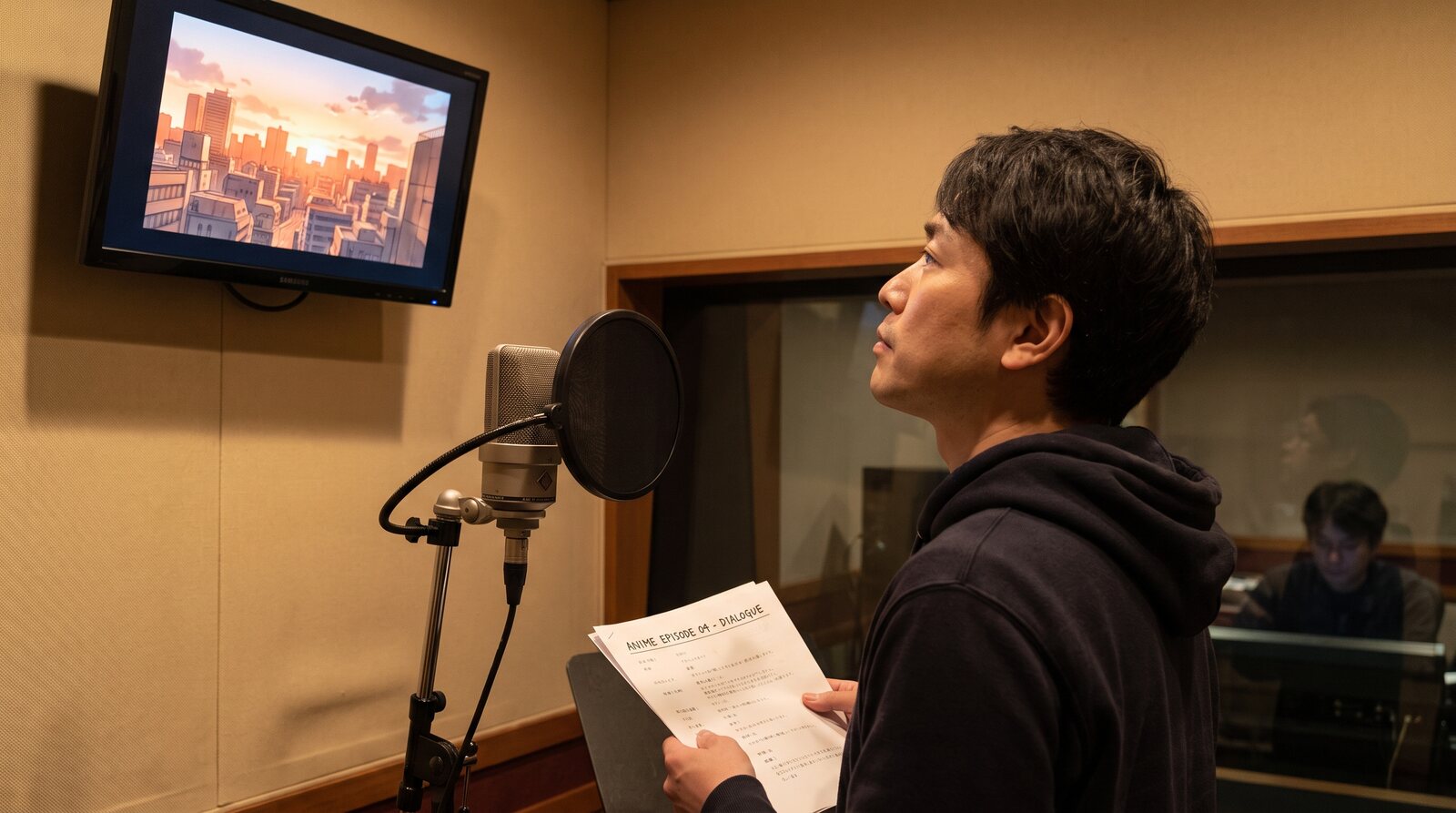
Performers don’t have to work that out alone anymore. Two days before the ruling, a free voice consultation desk opened for actors, narrators and the agencies that represent them, run by NTT West’s VOICENCE unit with a Tokyo intellectual property lawyer. Voice Over Herald explained how the help desk works on Monday.
The union side has been clear about what it wants. Yuko Sasaki, a voice actor and executive director of the Japan Actors Union, told AFP before the verdict that the court should “acknowledge that ownership of a voice is a fundamental right.” Bin Shimada, a fellow member of the No More Unauthorized Generative AI campaign, warned that a TikTok win could let AI voice copies run “unbridled” on social media. They got the principle, in plainer words than they might have hoped, even if TikTok didn’t have to do anything.
Why the rest of the world is watching
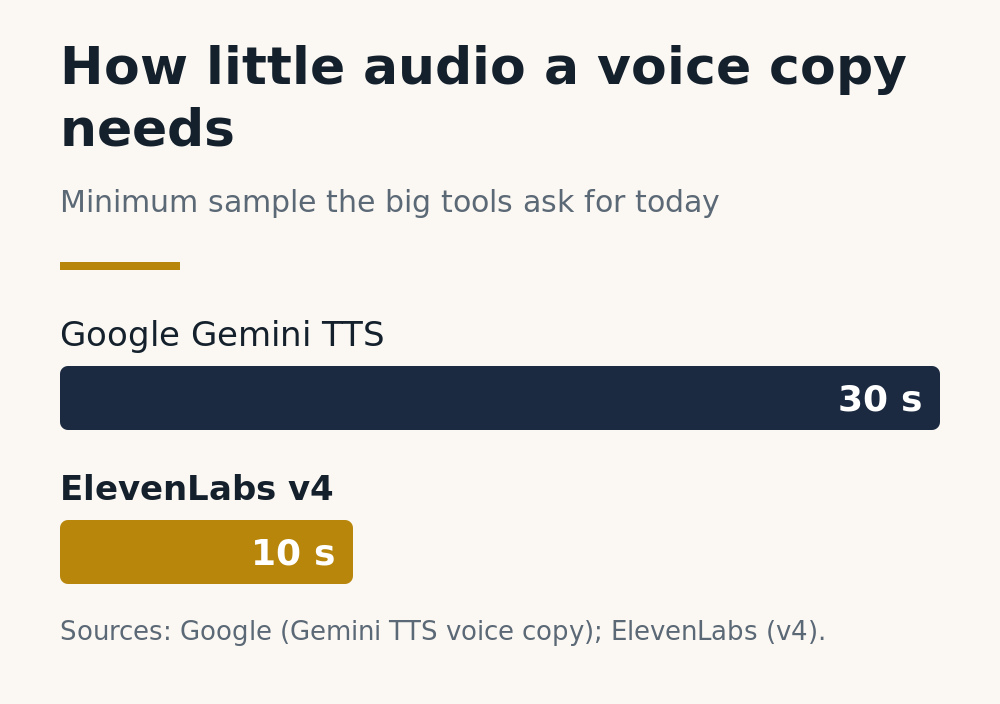
The tools keep getting hungrier and the samples smaller. Google’s Gemini text to speech now copies a voice from 30 seconds of audio, and ElevenLabs needs just 10 seconds for an instant copy in its new v4 model. Google asks the voice’s owner for a spoken yes, and ElevenLabs’ cloning page says someone else’s voice needs their explicit consent. An anonymous account using some other tool never has to ask.
Courts elsewhere are answering the same question in different ways. In 2024 the Beijing Internet Court found that an AI copy of a voice actor’s voice, sold on a dubbing app, infringed her personal rights. In Shanghai, a court ruled this year that an app selling packs of Genshin Impact character voices was unfair competition, protecting the game studio’s brand rather than the actors. In the United States, the NO FAKES Act, a bill in Congress, would create a federal right over digital replicas of a person’s voice and likeness. And Mexico now requires written consent to clone a voice.
Tokyo now joins that list with a ruling that names the right but orders nothing. The account holder has never been identified. The next case will test whether the court’s standard, a voice used purely for its pull with an audience, holds up when the videos are still online.
Sources: AFP by way of Philstar and A News (September 30, 2026); The Asahi Shimbun by way of Yahoo! News Japan (September 30, 2026); TBS News Dig; Bengo4.com News; Sponichi Annex; Anime News Network (September 30, 2026); Jiji Press (September 26, 2026); AFP by way of Japan Today and the Kuwait Times (September 27, 2026); The Japan Times (May 26, 2026). Quotations from Japanese sources are translated by Voice Over Herald.
Lee este artículo en español: Un tribunal de Tokio dice que la voz está protegida. Kenjiro Tsuda pierde igual su caso contra TikTok
Know something about this story, or spotted an error? Tell the newsroom.