
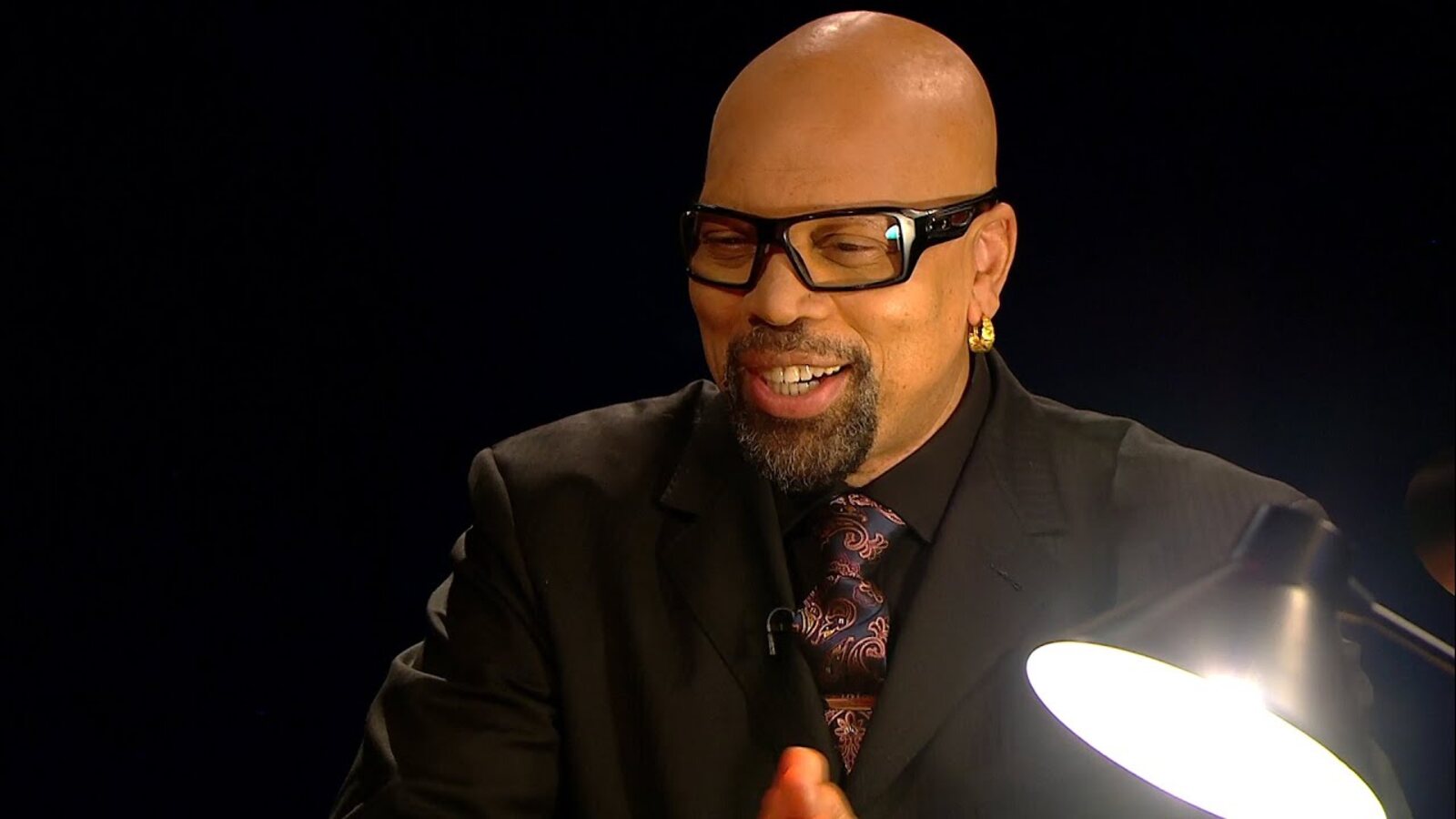
A TV Boss Heard Him on the Tube Tannoy. Thirty Years of Trailers Later, Redd Pepper Says Voice Acting Is Acting
Redd Pepper was driving trains on the London Underground when a television executive heard his announcements and ran up the platform to his cab. Three decades later he’s the voice of hundreds of UK film trailers, plenty of adverts and a fair few growling video game ghouls, and in January he collected the Backstage Vanguard Award. His advice for working voice actors is plainer than you’d expect from a man who sounds like thunder.
You’ve almost certainly heard him. You probably couldn’t pick him out of a queue. “Very occasionally I get recognized, but generally no,” he said in a short film about him by Great Big Story. The exception, he added, is when his phone rings on a train: one “Hello” and “people look up from behind the newspapers.”
Pepper was born Richardson Green in Barbados in 1961 and grew up in south London. He has told his story in plenty of interviews over the years, and read side by side they’re less about fame than about the parts of the job every voice actor knows: reading what’s in front of you, putting real feeling into it, and turning up again the next day.
Hear the voice: Redd Pepper in Great Big Story’s film about his career. Video: Great Big Story, on YouTube
Mind the doors, here comes a career
Before the booth there was a McDonald’s, a short spell as a firefighter and then the Tube. He drove the Bakerloo, Jubilee, Hammersmith & City and Circle lines, he told Lawrie Day on the Cognitas Global podcast. He got bored easily, and the passengers sometimes paid for it. “I used to say stuff like: ‘This is your driver speaking… or is it?’ in a really spooky voice,” he told the magazine Deadline in 2007, in a line his Wikipedia biography still carries.
Then one morning a passenger got off and came running. “One morning I was making my announcements,” he said in the Great Big Story film. “A television executive was a passenger on my train. He got off at the next stop, ran up to my cab. We exchanged details and, uh, the rest is history.”
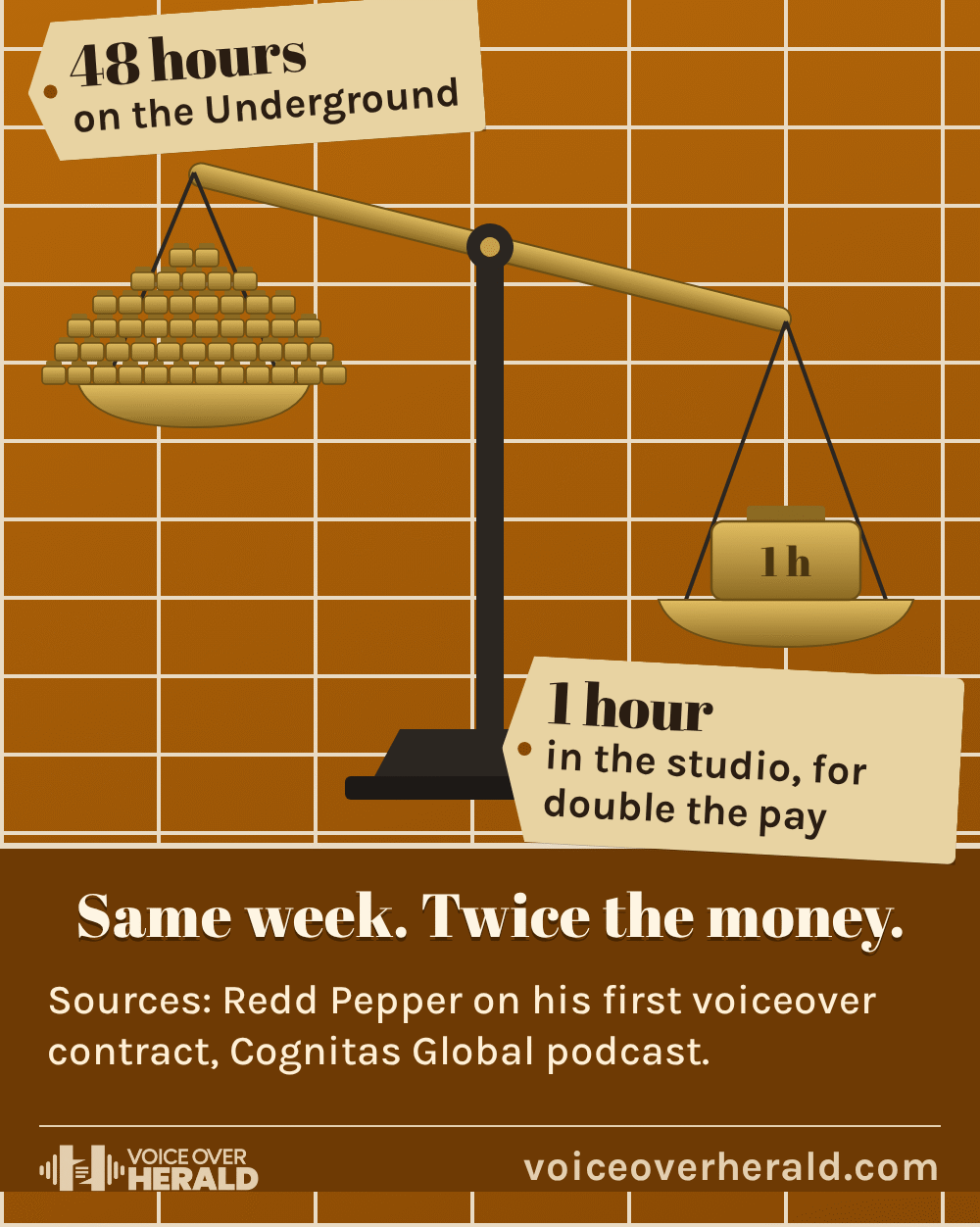
His first session was at a post-production studio tucked behind Carnaby Street. He turned up on the way to his shift, still in his Underground uniform, and was handed an A4 page and a green cue light. The very first words on it were “In a world.” He didn’t know what a voiceover was. The people behind the glass did, and after his first line they were giving him two thumbs up.
The offer that followed was so good that his wife at the time thought he’d got the numbers the wrong way round. He tried to keep both jobs for a while, sure it wouldn’t last. It did. Asked by Deadline whether he missed the Underground, he didn’t hesitate. “Listen, I make £3,000 to £4,000 per movie trailer,” he said, as Far Out reported it. “What do you think?”
“Voice acting is acting”
He had no formal training. Asked by Day where he learned the craft, he said: “Nowhere.” Then he made the point he says he’s made to “so many young kids”. “People think you have the voice, but the other part of it they forget, voice acting is acting. You have to act as well.”
The voice itself arrived early. It dropped when he was 14, and his friends didn’t believe it. “All my buddies, they just thought I was putting it on but it was just the way that God gave it to me,” he told Kent Online in 2016.
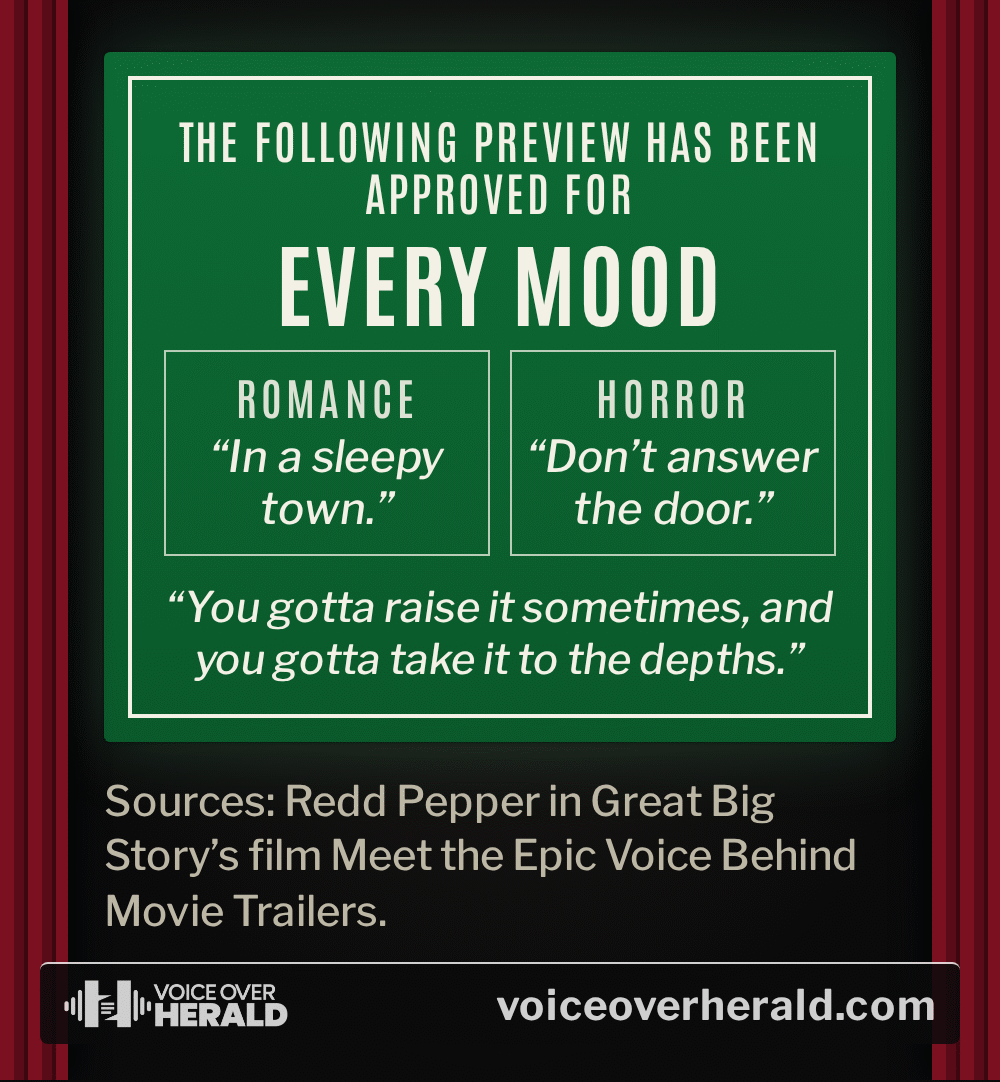
That first line followed him around. “Every script I got was, ‘In a world, in a world, in a world,'” he said, and it was Don LaFontaine’s line long before it was his. The two men sounded so alike that Pepper first came to wide attention when his UK trailers for Armageddon and Independence Day were taken for LaFontaine’s work. The real job, as he describes it, is finding a fresh read of the same three words each time, and that comes from life, not the larynx.
“If you have never had sadness in your life, or jubilation in your life, or ecstasy in your life, or depression in your life … it’s very hard for you to relay that with your vocals,” he said. “So when you’ve been through a lot of stuff, you can actually live it.” Even a voice built for thunder has to hold back when the copy asks for it. Talking through a sad story with a comic edge, he warned: “you can’t do it too deep, too nasty.”
The work nobody hums along to
Trailers made his name, from Space Jam, his first, to Men in Black, The Blair Witch Project and Armageddon. “So many, I forget half of them to be honest with you,” he told Great Big Story. But his credit list is as wide as any home-studio voice actor’s. Kent Online has him as the voice of the Müller bear and the Green Giant. Barbados Today lists commercials for Kellogg’s, Virgin Media, Tesco and Persil, and channel promos for Disney, Channel 4, ITV and the BBC.
 VoiceEditSuiteThe audio editor that learns how you breathe.Auto Clean Up keeps the best take of every line, cuts false starts and retakes, and quietens breaths the way you would.See how it worksLearns from numbers, never your audio. Never used to train AI.
There are games too, and not always the glamorous end. “A lot of them are sound effects of ghouls in the background,” he said, before showing exactly what that sounds like. He voiced Mike LeRoi in Shadow Man in 1999, and Backstage reports he has recorded motion capture for Baldur’s Gate 3.
Television announcing came round as well. In October 2015 he briefly stood in for Peter Dickson as the voice of The X Factor, and in April 2017 he announced Bradley Walsh’s week hosting The Nightly Show on ITV. Dickson, whose own career of phone lines and training courses Voice Over Herald profiled last week, built his business the same way: a famous job on top, a wide spread of everyday work underneath.
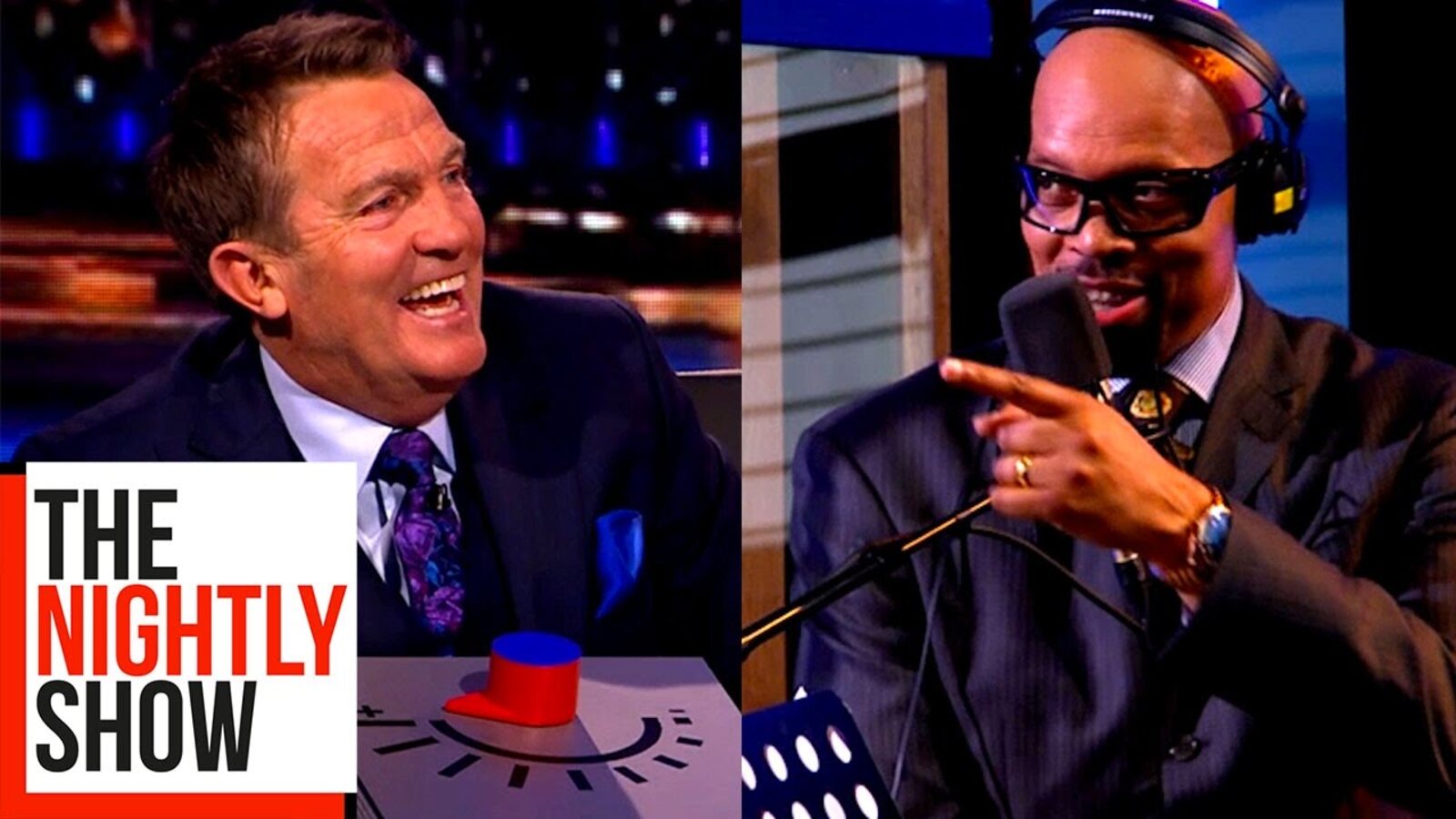
Image: ITV, The Nightly Show
Pepper’s own summary of all that variety is the most useful thing he’s said for anyone building a voice career: “having multiple strings to one’s bow is crucial.”
“There is no emotion attached to business”
For a man who calls it “one of the coolest jobs on the planet,” Pepper is blunt about the business side. “What you put in is what you get out, and especially when it comes to business,” he told the Cognitas Global podcast. “There is no emotion attached to business. It’s business.”
His answer to the doubts that stop people starting is just as plain. “Don’t wait for anything. Get it done. Get it done. Get it done,” he said. “If you can’t get it done, fall down, get back up, keep on, keep on, keep on.”
When Backstage asked him for advice, the list could hang over any home booth. “Really study your craft. Listen to criticism. Listen and be honest with yourself. Learn about microphone techniques. Learn about empathy. Learn about sympathy. Be a better person, because all of those emotions have to come out through your voice.”
After all this time he still sweats the detail. “I appreciate what I do. I’m still meticulous about what I do. I’m still proud of what I do,” he said in the Great Big Story film. “I really don’t look at it as a job.”
A Vanguard, and extra applause for the newcomers
In January, the Society of Voice Arts and Sciences and Backstage presented him with the 2026 Backstage Vanguard Award at the That’s Voiceover! Career Expo, ahead of the Voice Arts Awards. The award, Backstage says, recognises excellence in voice acting and community advocacy.
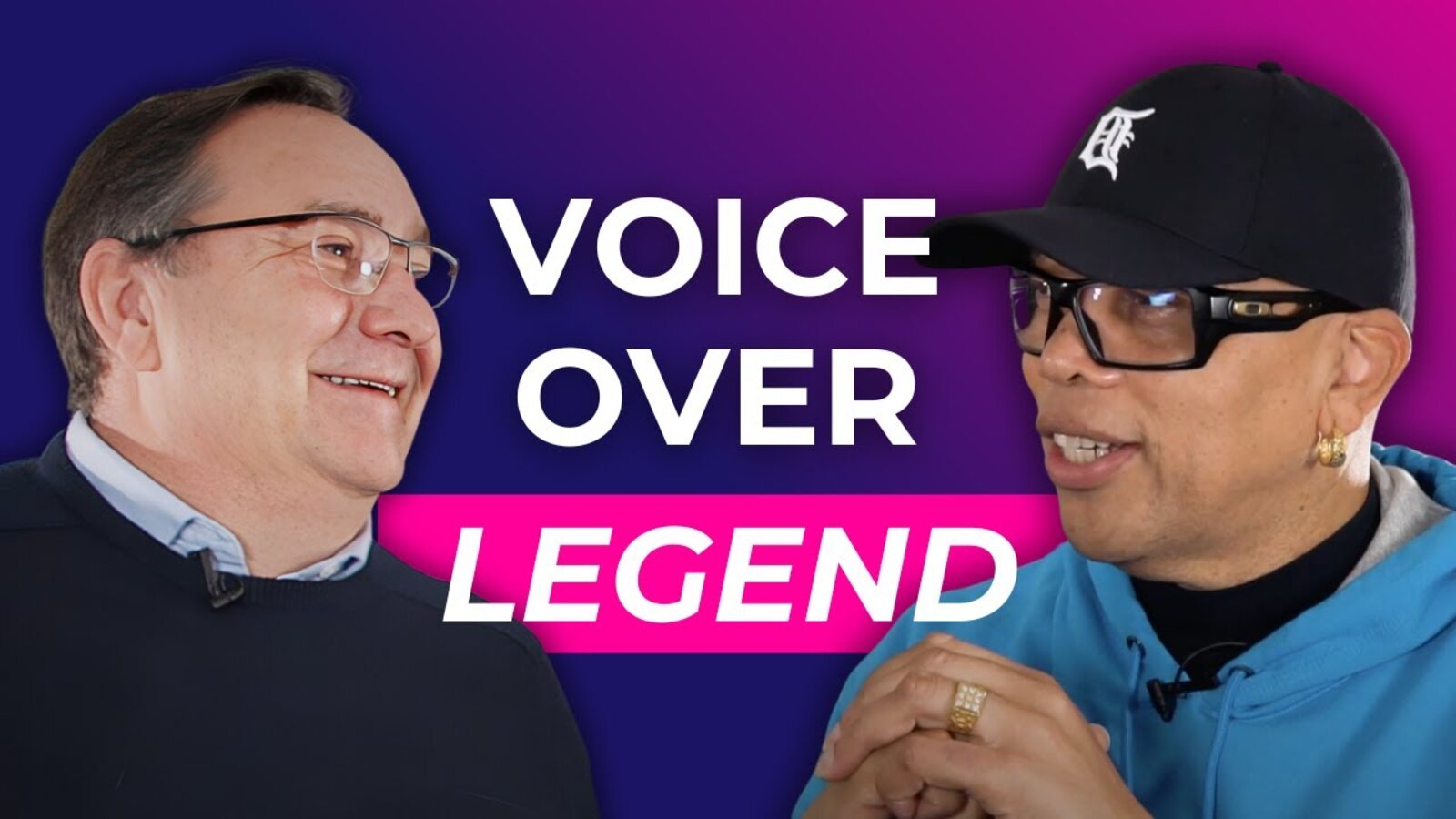
Image: Cognitas Global
“I’m ridiculously grateful,” he told Backstage, and then he turned the conversation to the people coming up behind him. When a newcomer wins on an awards night, he said, “I applaud extra harder for them, because this is something special to them.”
Weekends, he’s still behind a microphone, just a different one. Every Saturday afternoon he hosts The Soulercoaster on Jazz Funk Soul Radio, playing jazz, funk and soul from a collection he puts at 164,000 records. He once walked from central London to Lewisham, he told Day, because he’d spent all his money on an American import album.
His last word to Backstage would fit on a sticky note above any microphone: “Carry on. Continue with your craft.”
Sources: Redd Pepper, interview with Backstage (November 2025); Great Big Story, Meet the Epic Voice Behind Movie Trailers (YouTube, 2018); Cognitas Global podcast with Lawrie Day (YouTube); Kent Online (June 2016); Far Out Magazine (August 2024), quoting Deadline (2007); Barbados Today (February 2022); Wikipedia. Main image: RTÉ, The Ray D’Arcy Show. Photographs: ITV, The Nightly Show; Cognitas Global.
Lee este artículo en español: Un ejecutivo de TV lo escuchó por los altavoces del metro. Treinta años de avances después, Redd Pepper dice que actuar con la voz es actuar
Know something about this story, or spotted an error? Tell the newsroom.