
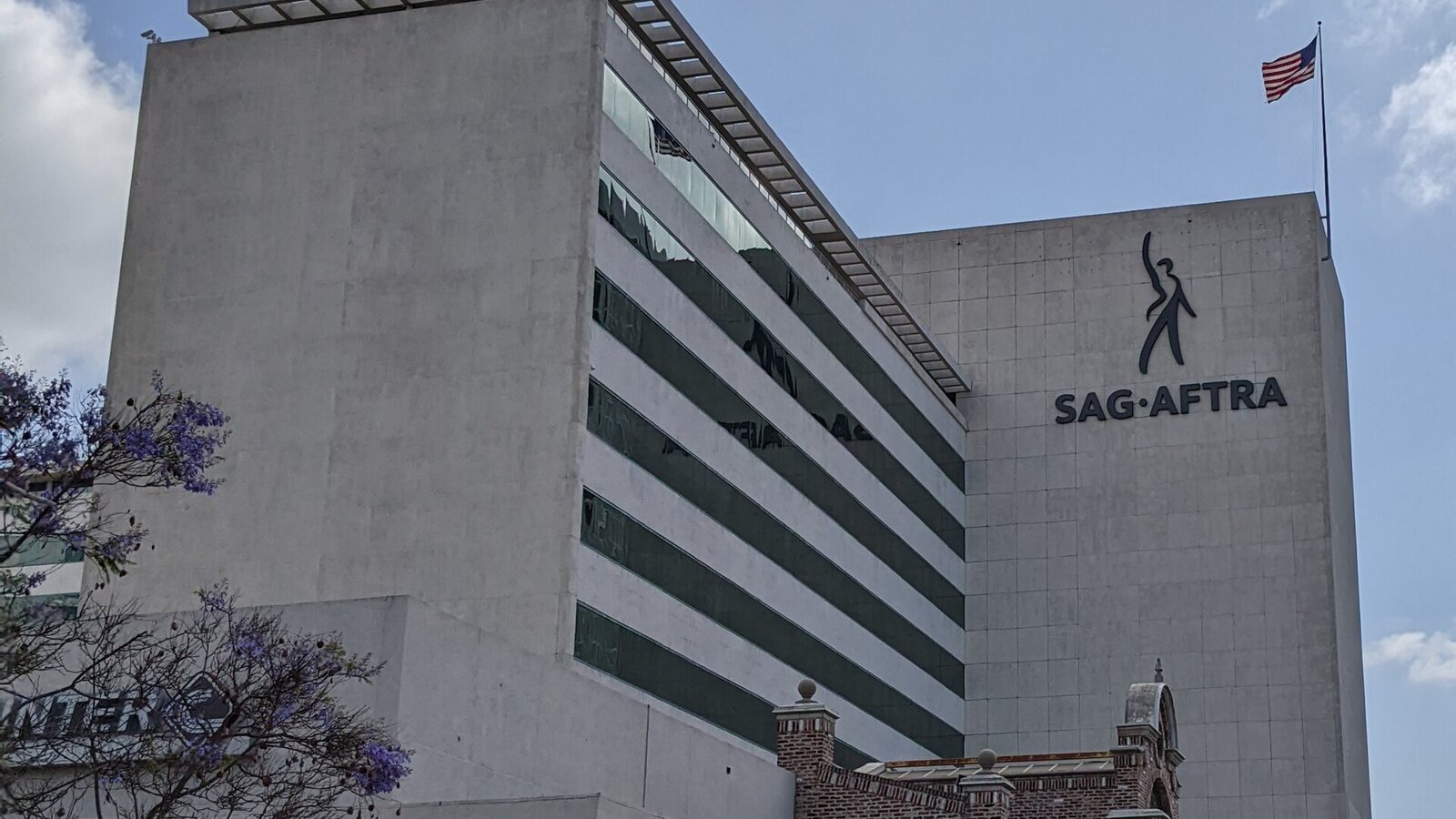
SAG-AFTRA Voice Actors Ratify the TV Animation Deal. Your AI Replica Now Needs Your Yes to Dub You
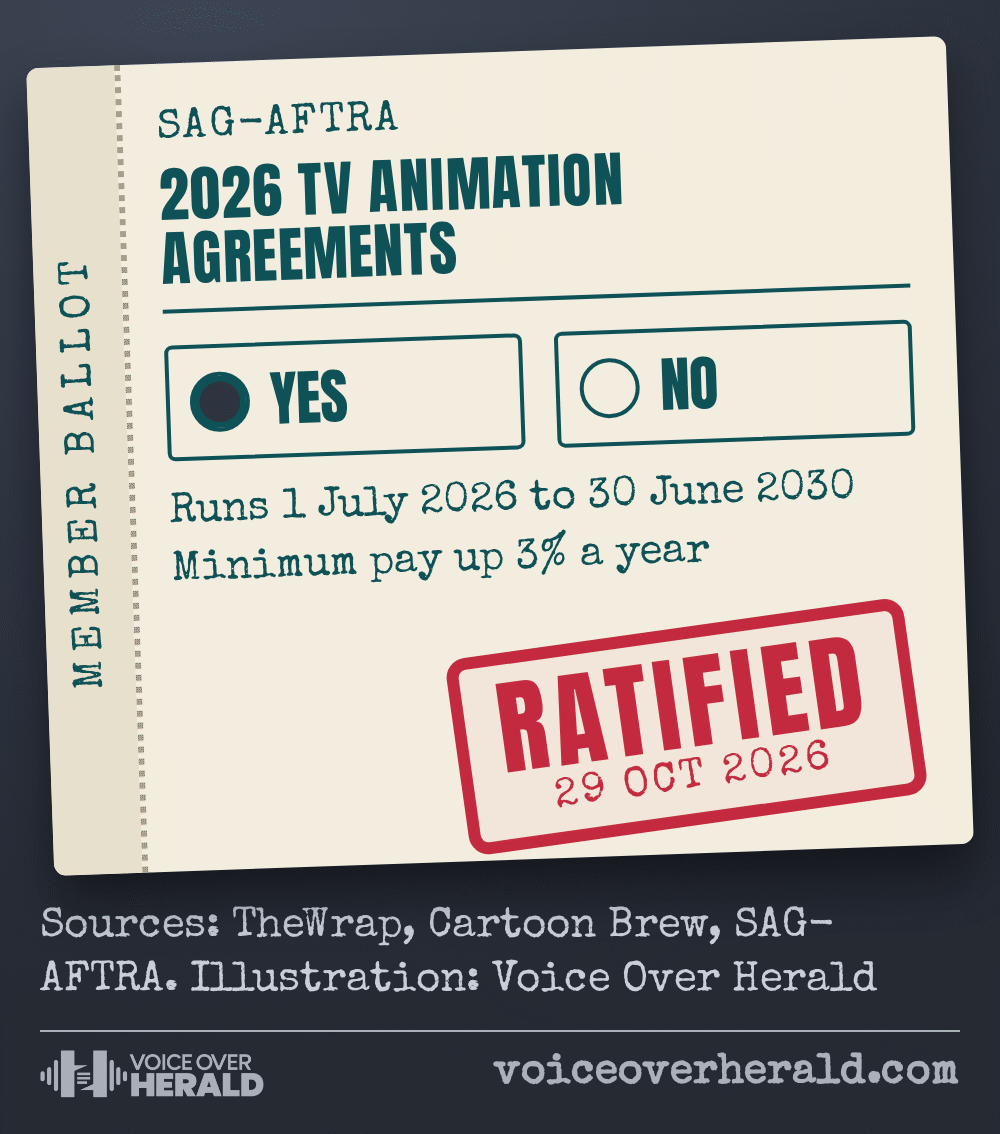
SAG-AFTRA members have ratified the union’s two television animation contracts, a four-year deal that runs from July 1, 2026, to June 30, 2030. For the voice actors it covers, the change most people will feel first is about AI: a studio now needs your consent before your digital replica can dub your performance into another language.
The union confirmed the result on Thursday, October 29, after voting closed at 5 p.m. Pacific. Members approved both the 2026 Television Animation Agreement and the 2026 Basic Cable Animation Agreement with the Alliance of Motion Picture and Television Producers, the group that bargains for the studios. Close to 95% of the members who voted said yes. Because the old contracts expired on June 30, the new terms apply retroactively, so pay rises already owed go back to the summer.
SAG-AFTRA President Sean Astin, who said he often works in TV animation himself, thanked the negotiating committee and its co-chairs, Bob Bergen and David Jolliffe, “for putting in the time and effort to get SAG-AFTRA members a dignified deal with essential AI protections.”
Duncan Crabtree-Ireland, the union’s national executive director and CEO, said: “SAG-AFTRA members who work in TV Animation are entitled to meaningful protections around AI and wages that reflect the value of their labor.” He also praised the volunteers on the committee for their work “in ensuring animation performers have a sustainable future.”
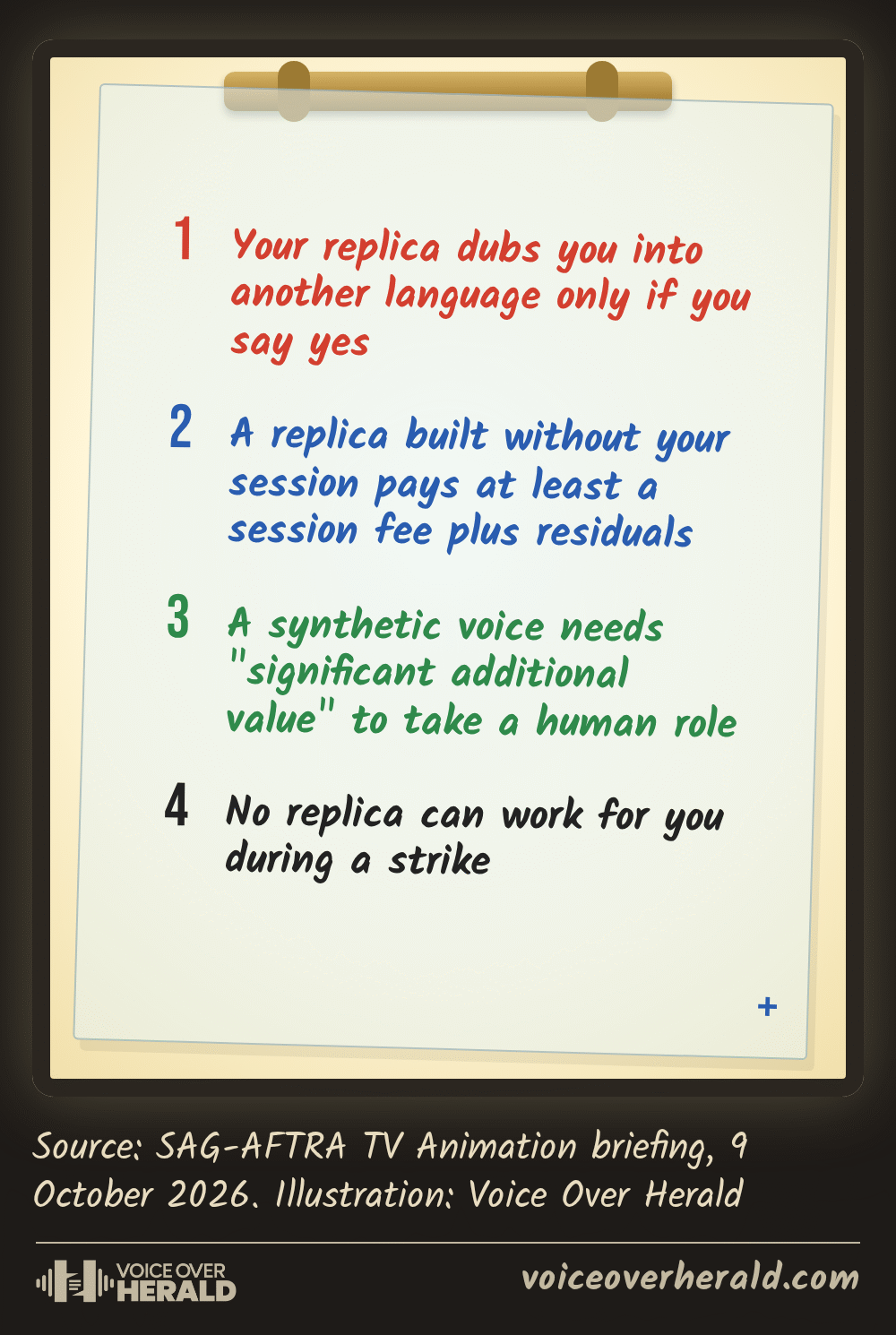
Your replica works only with your say-so
The AI terms are the heart of this deal, and members heard them in detail at the union’s online briefing on October 9, which Voice Over Herald broke down clause by clause before the vote. Under the last contract, a producer could use a voice actor’s digital replica to carry a performance into a foreign language without asking again. That’s now reversed: it takes your specific consent.
The contract also brings over every voice-related AI gain from this year’s live-action agreement. A replica built from ordinary recording sessions, with no special scan, is still protected. A replica made without the actor’s session at all, which the contract calls an independently created digital replica, now carries a minimum payment of a session fee plus residuals, where before that money was left to bargaining.
 VoiceEditSuiteRate CalculatorKnow what to charge before you reply.Low, mid and high pricing in a ready-to-send quote.See how it works
Synthetic voices, the contract’s word for AI voices that aren’t copies of a real performer, face a tougher test too. According to the union’s briefing, producers agreed to keep using human voice actors for covered work and not to put a synthetic in a role a human would otherwise play unless it brings “significant additional value.” A replica of a real actor counts as human performance for that test.
If a producer breaks those rules, the union can take it to arbitration, and damages aren’t capped at what the human would have earned. A replica can’t stand in for a performer during a strike where consent is required. And if a producer licenses performances to an outside company to train a public, commercial generative AI system, it has to tell the union and meet to discuss the licence, including any payment to performers.
The raises are backdated
Minimum rates go up 3% a year, compounded, with the first increase backdated to July 5, 2026, as Cartoon Brew reported when the tentative deal was announced. Over the four years that adds up to the 12.6% wage increase the union points to. Health plan contributions rise 1% from September 6. Another 1% goes to the pension and retirement plans from July 1, 2028, if conditions in the live-action deal are met, and a 0.25% producer contribution starts a paid parental leave fund the same day.
Residuals change as well. When a show moves to a subscription streamer, the formula is fixed so voice actors get an average of 5% more, and the share of the success bonus fund rises from 25% to 35%. If you worked on an animated series since July, it’s worth checking with your agent or payroll company that the backdated rate shows up on your next cheque.
Animation keeps its own table
The animation contracts are bargained separately from the union’s big film and television talks, and the people who led them are working voice actors. Bergen has voiced Porky Pig since 1990 and has sat on the animation committee since the early 1990s. Jolliffe told members at the briefing that a separate negotiation keeps animation performers from getting lost in much larger bargaining sessions.
Bergen has called TV animation one of the few voiceover contracts that has stayed mostly union, and that’s why this deal reaches beyond its own members. It sets AI rules in writing for a whole corner of the business, which gives every voice actor a benchmark: if a client asks for replica rights, it’s now easy to see what a union performer would be paid for the same thing.
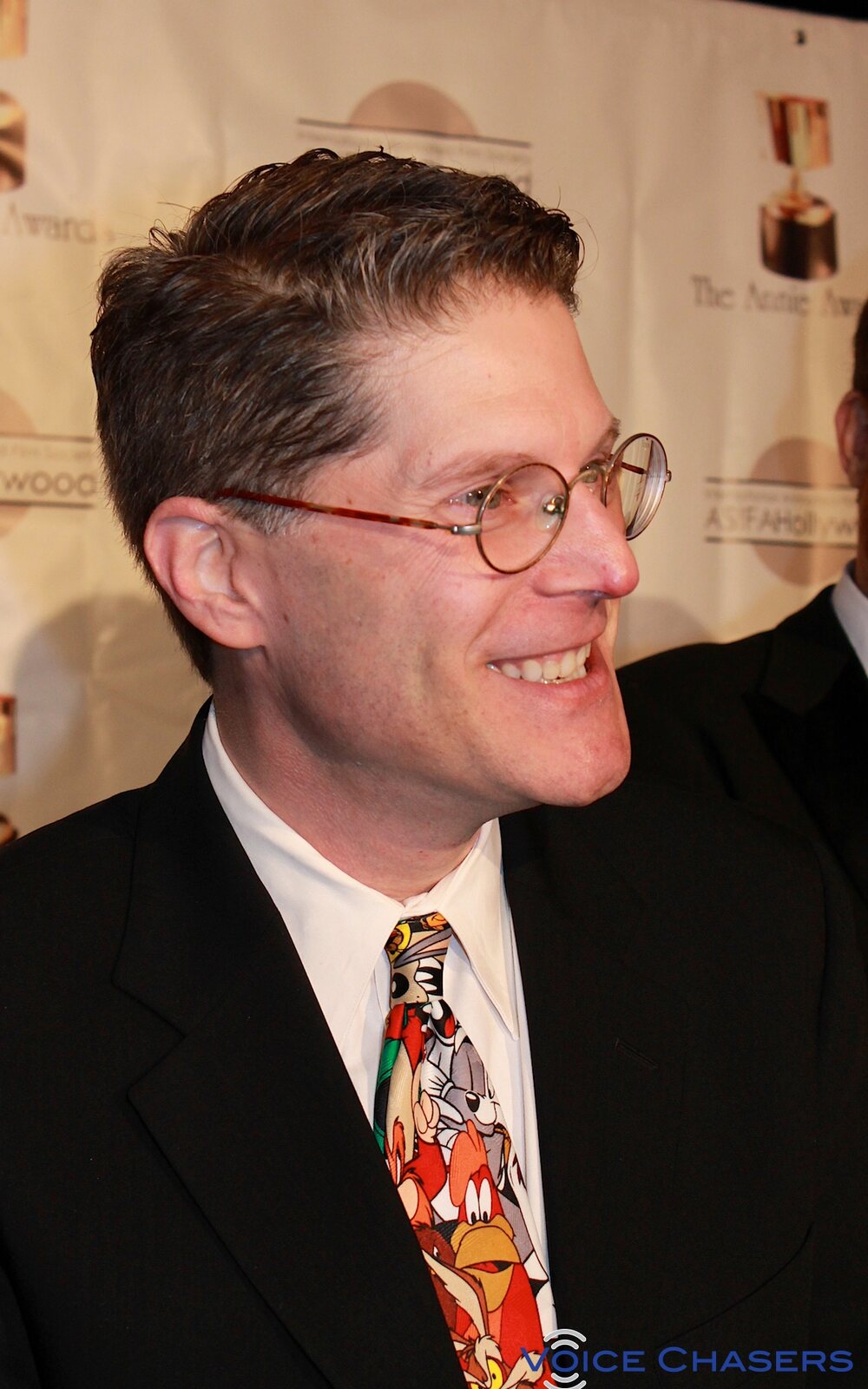
Image: voicechasers, CC BY 2.0, via Wikimedia Commons
A deal in a thin year
The vote lands at an awkward time. Members have been telling the union that work is scarce, and some are struggling to earn enough to keep their health cover. Astin addressed that head on last weekend. “The bottom line is that no agreement can make studios produce more or make audiences watch,” he said, as TheWrap reported. “But what we can do, what your union can do and is doing, is to use every bit of leverage we have to make sure working performers have a place in whatever this industry becomes.”
He added: “We know what you’re up against because you’ve told us. Your experiences do reach the people you elect, and they shape what we do.”
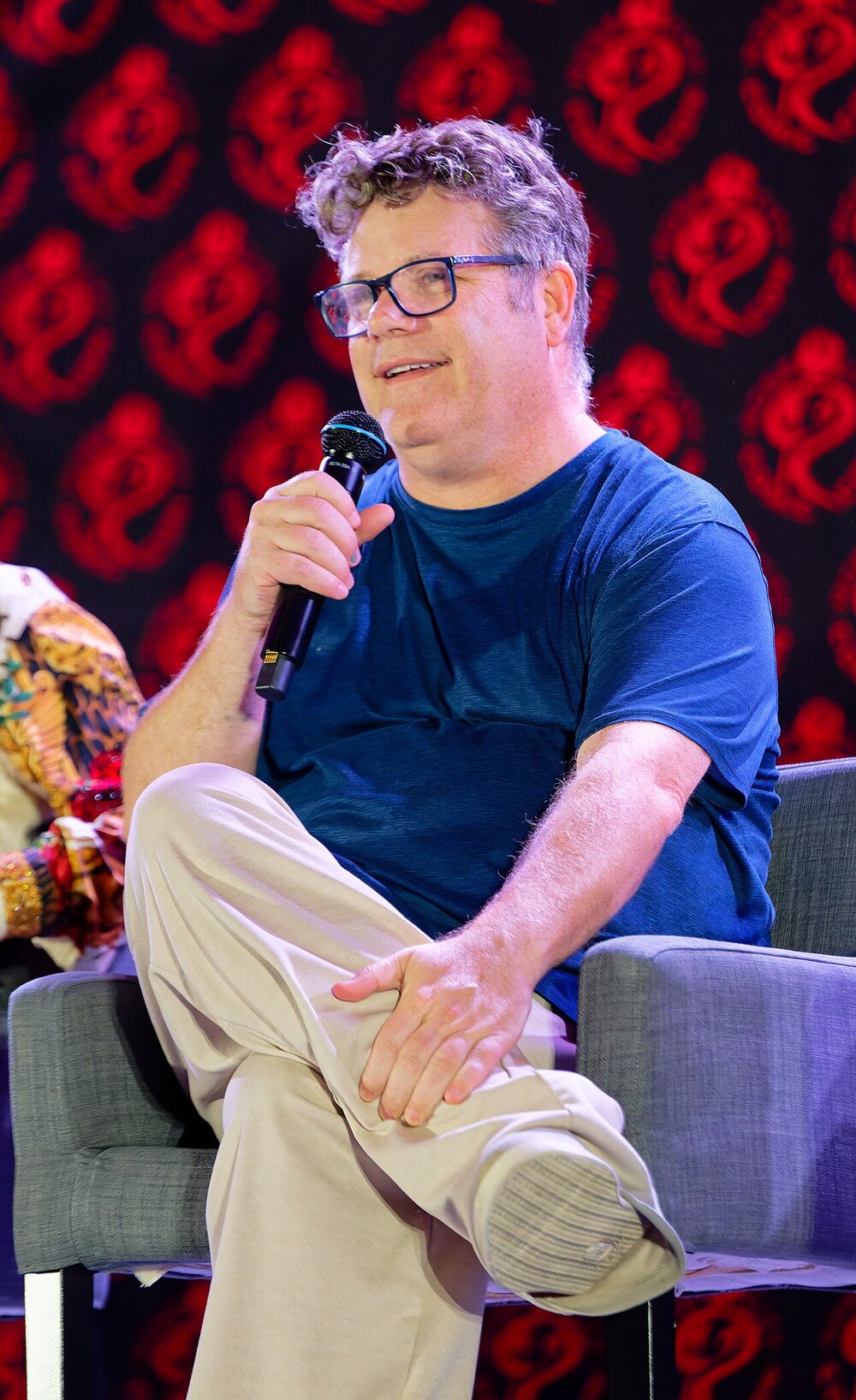
Image: Joe Peacock, CC BY-SA 4.0, via Wikimedia Commons
The new terms are now in force. For voice actors in animation, the practical step is a simple one: read any AI or replica clause in a booking before you sign it, and remember that under this contract, saying no to a foreign-language AI dub is now your right, not a favour.
Sources: TheWrap (ratification result and statements from Sean Astin and Duncan Crabtree-Ireland); Cartoon Brew; SAG-AFTRA’s TV Animation Agreements informational meeting, October 9, 2026. Hero image: ishmael daro, CC BY 2.0, via Wikimedia Commons.
Lee este artículo en español: Los actores de voz de SAG-AFTRA ratifican el contrato de animación para TV. Tu réplica con IA ya necesita tu sí para doblarte
Know something about this story, or spotted an error? Tell the newsroom.