
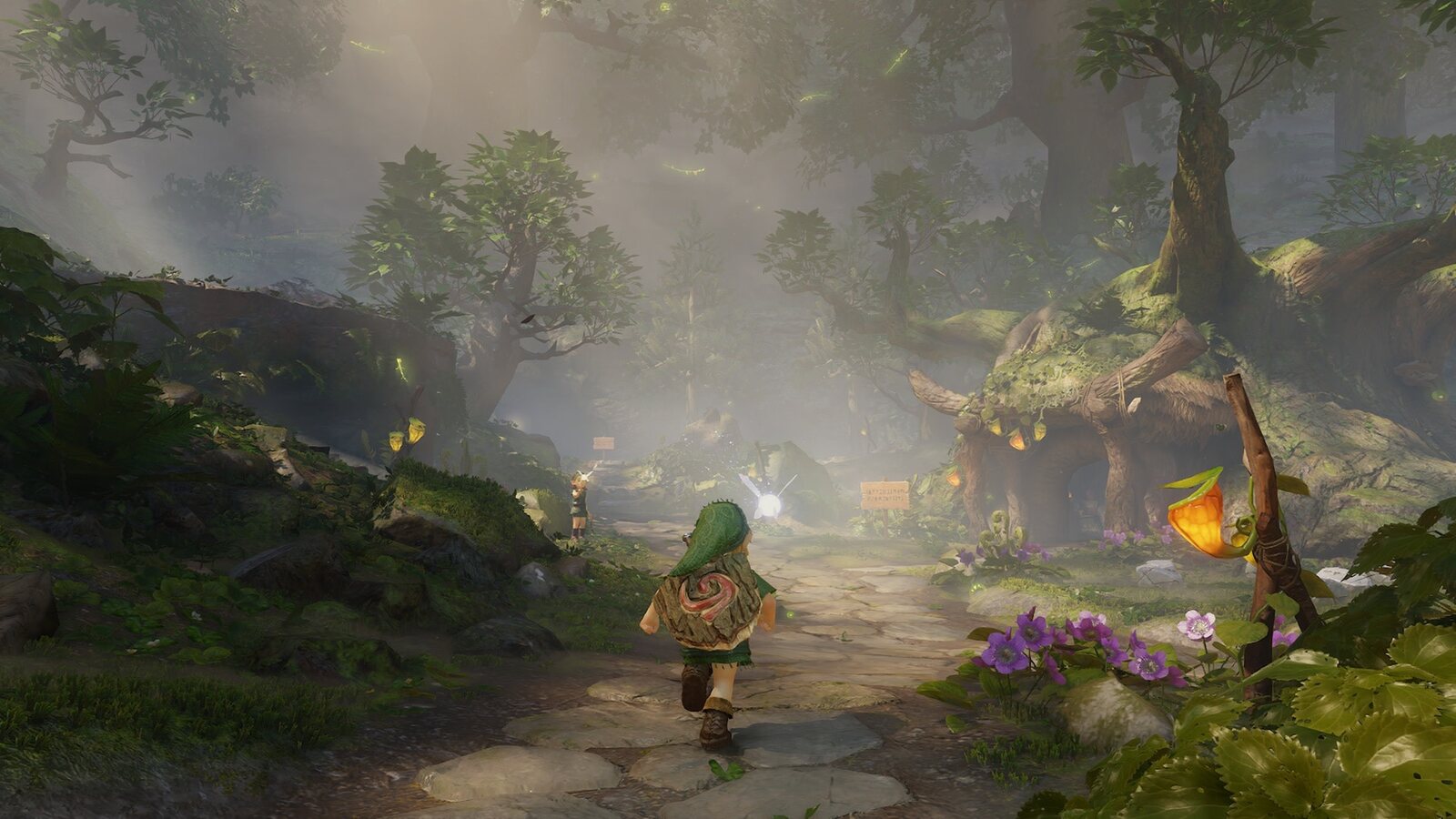
Ocarina of Time’s Voices Finally Have Names. Nintendo’s Blind Auditions Brought One Back From 1998 by Accident
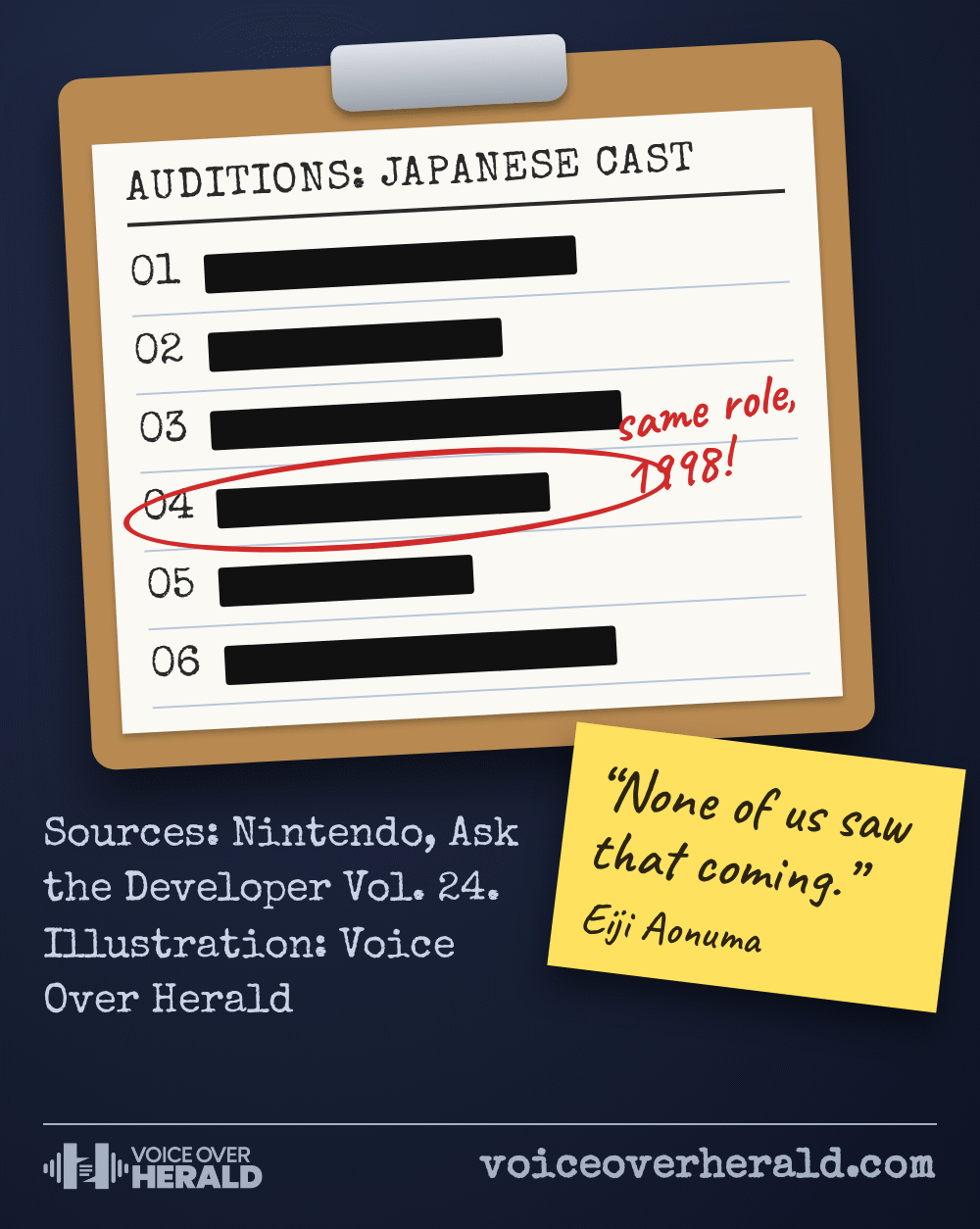
In September, Nintendo wouldn’t name a single actor in the first fully voiced Ocarina of Time. Now the remake is out, the credits are public, and Nintendo has told a story of its own: it held blind auditions for the Japanese cast, and one of the voices it picked turned out to be an actor who’d played the same character in 1998.
The Legend of Zelda: Ocarina of Time arrived on Nintendo Switch 2 on 5 November. The original Nintendo 64 game spoke to players in text boxes, with Link’s grunts and Navi’s calls for attention as almost the only voices. The remake gives its story scenes full voice acting, with Link still silent, and reviewers have been talking about the performances as much as the graphics.
When Voice Over Herald looked at the remake in September, every voice in the footage was anonymous. On launch day the English cast posted their roles themselves, and the credits filled in the rest.
Hear the voice: the Great Deku Tree speaks first, then Ganondorf at 0:46, in the official launch trailer. Video: Nintendo of America, on YouTube
Who voices Hyrule now
The English cast, as listed from the game’s credits by Siliconera and Insider Gaming, is led by Erica Mendez as Zelda and Sheik, Matthew Mercer as Ganondorf and Lisa Reimold as Navi. Richard Epcar voices the Great Deku Tree, Frank Todaro plays both Kaepora Gaebora and the sage Rauru, and Reba Buhr voices Koume, Kotake and Twinrova. Laura Post is Impa, Cristina Vee is Nabooru, Anne Yatco is Ruto, Suzie Yeung is Saria, Josh Petersdorf is Darunia and Deva Marie Gregory is the Deku Tree Sprout.
Mercer is the one familiar name to Zelda players. He voiced Ganondorf in Tears of the Kingdom, and on release day he wrote on X that he was “endlessly grateful and honored to be chosen again to bring the OG Ganondorf to life for what is one of the greatest games ever made.”
For Mendez, the part closes a loop that started on a living room floor. “OoT was my favorite N64 game as a kid and it’s still so hard to believe I even get to make this post,” she wrote. She’s the first new English Zelda since Patricia Summersett, who told this site in September about ten years in the role across Breath of the Wild and Tears of the Kingdom.
Reimold opened her announcement the only way a Navi could: “HEY! LISTEN!” Then: “This tiny fairy has such huge shoes to fill.”
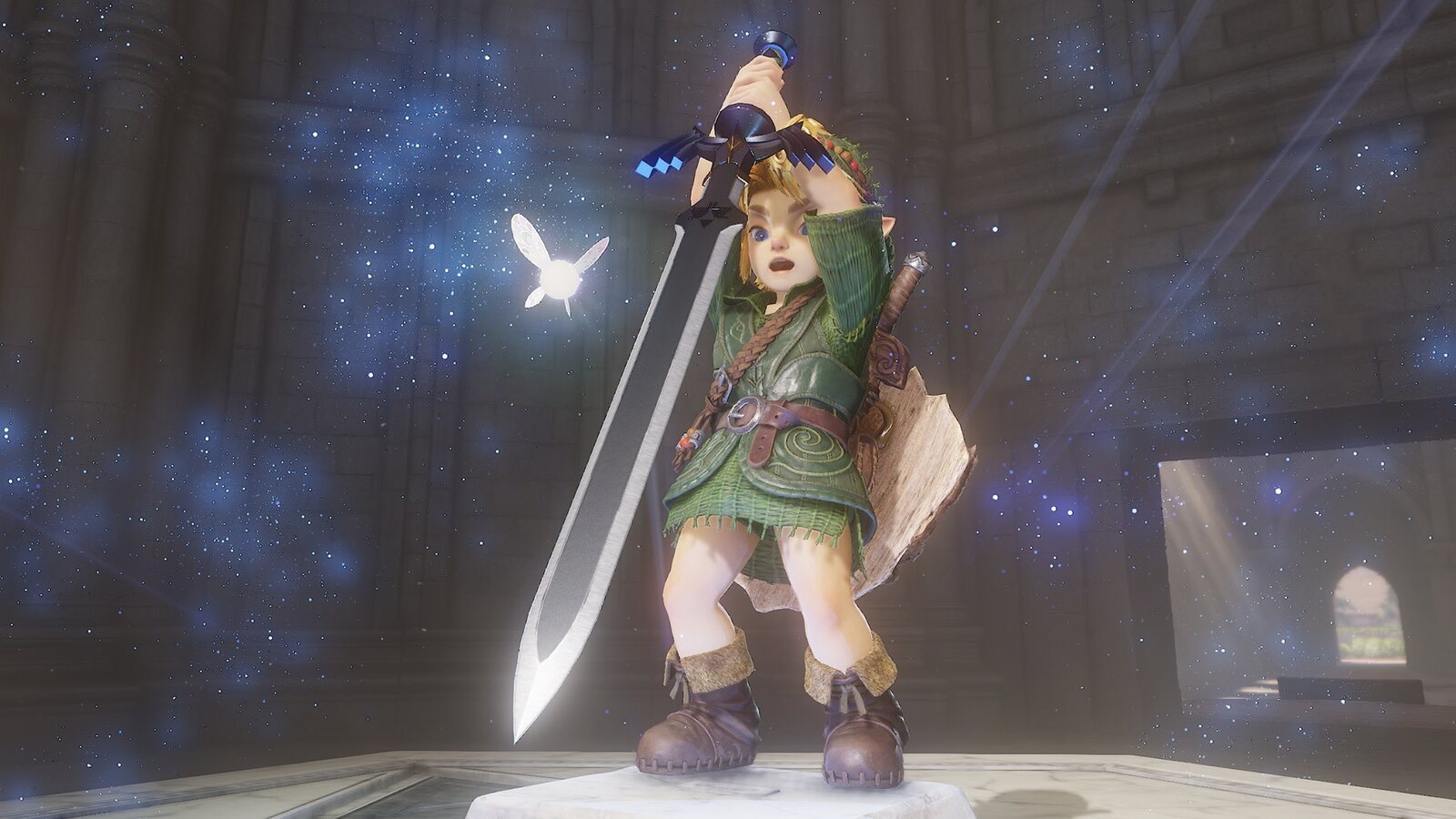
Link and Navi in the Temple of Time. Image: Nintendo
Blind auditions, and a voice from 1998
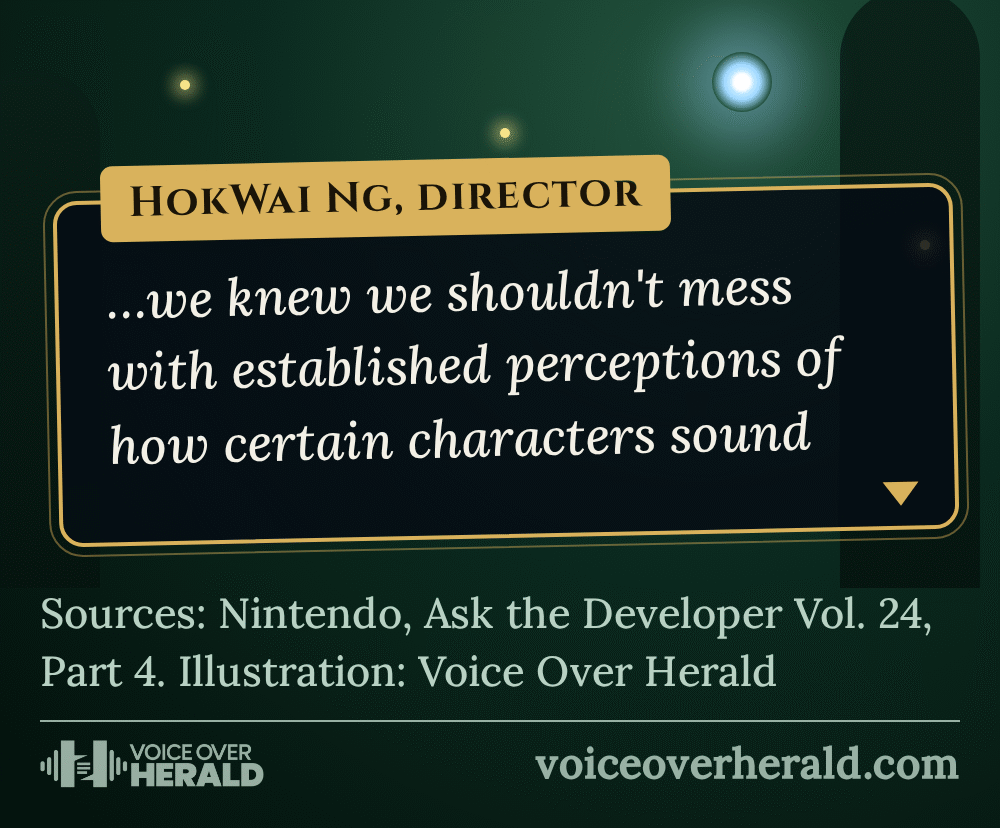
The more surprising story comes from Nintendo itself. In the fourth part of its Ask the Developer interview about the remake, published on 3 November, director HokWai Ng explained why the story scenes needed voices at all: “We felt that if we were going to improve the graphics so dramatically, the cutscenes needed to be fully voiced to match.”
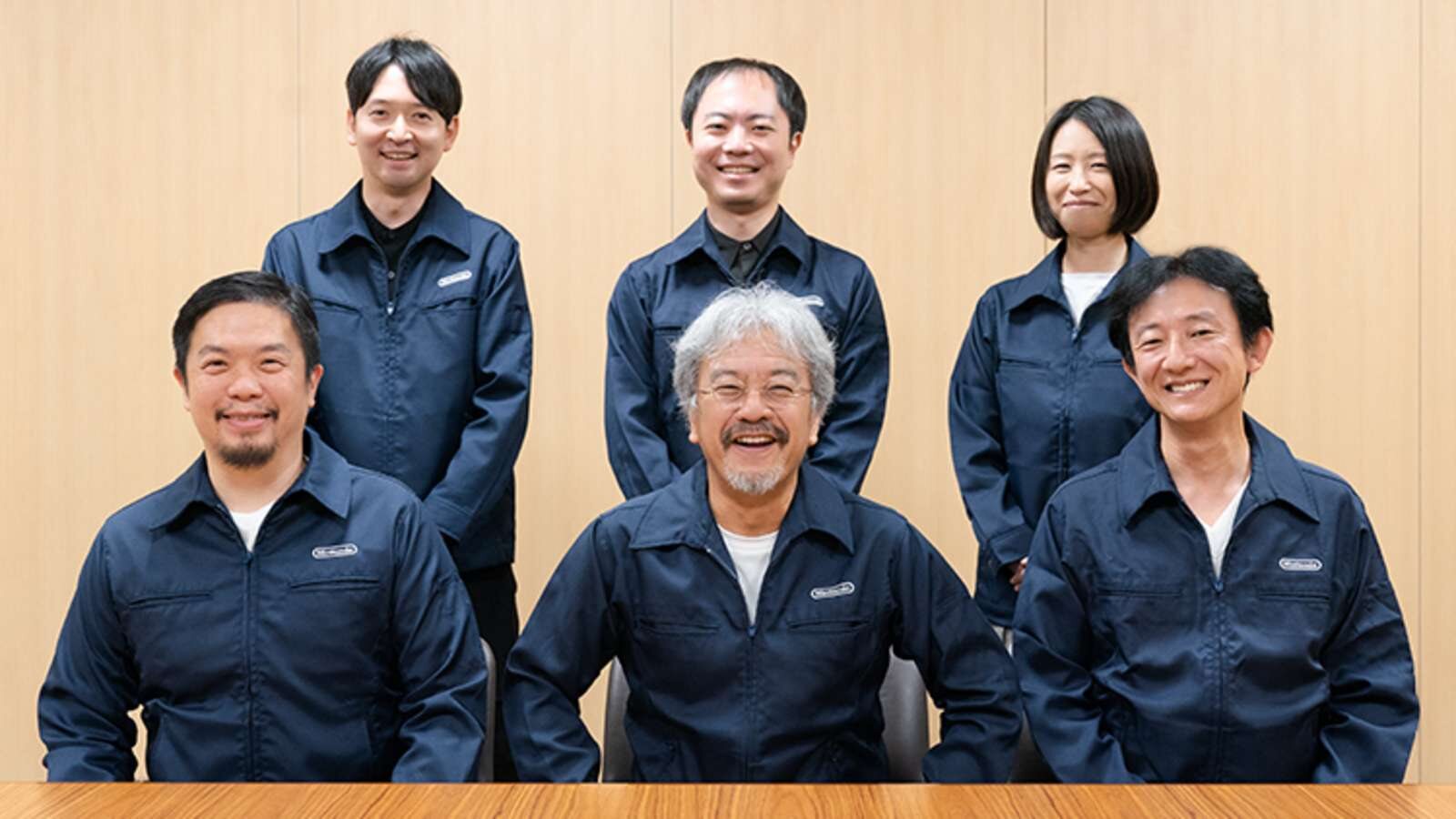
Eiji Aonuma (front, centre) with the remake's development team. Image: Nintendo
The casting brief was just as clear. Ng said the team’s “top priority was selecting voices that recreated the sound and feel of the original game.” Then: “We conducted blind auditions.” Some sounds weren’t up for discussion. Navi’s “Listen!” is so iconic, Ng said, that the team refused to change it.
 VoiceEditSuiteNewIt edits like you would, and it gets better every file.Learns from numbers, never your audio. Never used to train AI.See how it works
Longtime Zelda producer Eiji Aonuma then added the detail that’s been shared around fan sites all week. “We deliberately hid the voice actors’ names during the Japanese auditions,” he said, so that the only test was how close each voice sounded to the original. When the choices were made, “one of the actors we selected had actually voiced the same character in the Nintendo 64 version.” His verdict on that, in full: “None of us saw that coming.”
Nintendo didn’t say who it was. Kotaku and others note that fans believe it’s Kaori Mizuhashi, the original Japanese voice of Navi, but Nintendo hasn’t confirmed it. The story applies to the Japanese version; the English Navi is a new voice.
For working voice actors, it’s a neat illustration of how a blind audition works when it’s done properly. Strip away names, credits and reputations, give the casting team one target sound, and the person who already owned that sound can win the part back without anyone in the room knowing it was them.
What the reviews say about the voices
Most critics like what they hear. Siliconera’s Jenni Lada gave the game a 10 and wrote: “The voice acting is also fantastic, with wonderful performances from major and minor characters.” She noticed the script has grown, too: some scenes “feature more dialogue, as do incidental interactions.”
My Nintendo News, also scoring it 10, picked out one performance. “The real standout of the cast is Navi, who’s much more likable than in the original,” its review says, “thanks to her new, cheery voice and far fewer interruptions during gameplay.” It also spotted a side effect of all that recorded dialogue: “Name customization was likely removed to make voice-acting possible.” Characters can’t say a name the player typed in.
The one recurring complaint is about direction rather than actors. Nintendo Everything’s review, which still gave the game five stars, put it carefully. “The voice actors themselves are absolutely doing their best here,” it said, “but I feel like the direction has them put a little too much inflection into their words sometimes.” It called Ganondorf’s performance good and noted he gets “extra dialogue in certain cutscenes,” but felt the voice direction “could’ve used some work.”
That split is familiar to anyone who’s worked on a game. The cast reads what’s on the page in the way the session asks for, and when a reviewer says a line is pitched too big, that note usually belongs to the booth, not the actor.
- It talks now. The Switch 2 remake gives the story scenes full voice acting. Link stays silent.
- Names at last. Erica Mendez, Matthew Mercer and Lisa Reimold lead the English cast as Zelda, Ganondorf and Navi.
- Blind casting. Nintendo hid the actors’ names during the Japanese auditions.
- An accidental return. One actor picked had voiced the same character in the 1998 game.
- Direction, not actors. Critics praise the cast; the one complaint is about how lines were pitched.
Why this one matters
Adding voices to a game people have carried in their heads for nearly 30 years is a risk. Every player already had a Ganondorf, a Saria and a Zelda in their imagination, and a recorded performance replaces all of them at once. Nintendo’s answer was to cast for the sound players remembered, credit the actors at launch, and let them announce their own roles.
That’s a change from September, when the voices were heard in trailers with no names attached. Today the people behind them have names, posts, and reviews of their work, which is how it should be for a cast this size on a game this famous.
Sources: Nintendo, Ask the Developer Vol. 24, The Legend of Zelda: Ocarina of Time, Part 4; Siliconera (cast list and review); Insider Gaming; Kotaku; My Nintendo News; Nintendo Everything; posts on X by Matthew Mercer, Erica Mendez and Lisa Reimold. Images: Nintendo.
Lee este artículo en español: Las voces de Ocarina of Time por fin tienen nombre. Las audiciones a ciegas de Nintendo trajeron de vuelta a una de 1998 sin querer
Know something about this story, or spotted an error? Tell the newsroom.