



Elvis Presley’s Rights Owners Sue Suno for Cloning His Voice. It’s One of the First Big Tests of Tennessee’s ELVIS Act
The company that controls Elvis Presley’s name, image and likeness has sued the AI music generator Suno, accusing it of letting anyone with a keyboard make new songs in Presley’s voice. The federal lawsuit, filed on Friday, 6 November, is one of the first major cases brought under Tennessee’s ELVIS Act, the 2024 law that made a person’s voice, real or simulated, a protected right. Nothing has been decided yet. But for anyone who earns a living with their voice, this is the case to watch.
The suit was filed by Elvis Presley Enterprises, a unit of the licensing company Authentic Brands Group, Billboard reported on Saturday. Variety, which describes the plaintiffs as a group that includes Authentic Brands Group, Raleigh Music Publishing and others, says the 51-page complaint was filed in the Northern District of California. It accuses Suno of copyright infringement over Presley’s recordings, and of exploiting his identity whenever users cite his name when they generate songs.
The claim is about his voice, not just his songs
What makes this case different is the voice. According to Billboard, the complaint accuses Suno of breaking the law by letting users clone what it calls Presley’s “unmistakable and iconic voice”, and it spends real space describing what that voice is.
“Elvis’ voice possessed a distinctively rich vocal timbre, with a warm velvety resonance and perfectly employed vibrato, coupled with his ability to vary his technique and delivery within the same song as well as across several different styles of music, which became his immediately recognizable musical signature across the world,” the lawsuit says.
Hear the voice: Elvis Presley sings Can’t Help Falling In Love in the 1968 Comeback Special. Video: ElvisPresleyVEVO, on YouTube
That’s the voice the estate says Suno can now reproduce on demand. The complaint includes examples of generated tracks that, it says, sound like Presley. Richard Busch, the music litigator at the firm Adams and Reese who filed the case, is blunt about them: “They are synthetic and unlicensed uses of Elvis’ voice and likeness.” He adds: “There are hundreds to thousands more like it.”
Suno has said in other cases that its models block artists’ names in prompts and don’t copy real voices. The Presley complaint calls that “unequivocally false” and says that as recently as last month, Suno generated an Elvis clone from lyrics that simply included his name. “Entering a musician’s name into Suno’s ‘Create’ function, such as Elvis’, causes Suno to generate unauthorized output based on his [name, image and likeness], which copies and reproduces the signature and recognizable aspects of his distinguished voice,” Busch writes, as quoted by Billboard.
What the ELVIS Act says about a voice
Tennessee Governor Bill Lee signed the Ensuring Likeness, Voice and Image Security Act on 21 March 2024, from the stage of Robert’s Western World, the honky-tonk on Lower Broadway in Nashville. It passed unanimously and took effect on 1 July 2024. The law added voices to Tennessee’s Personal Rights Protection Act of 1984, which already protected a person’s name, photograph and likeness.
“There are certainly many things that are positive about what AI does. It also, when fallen into the hands of bad actors, it can destroy this industry,” Lee said at the signing, as reported by Pollstar. The act lets individuals, their estates and other rights holders seek civil damages, and makes unauthorized use a Class A misdemeanor.

Photo: Harrison Keely, CC BY 4.0, via Wikimedia Commons
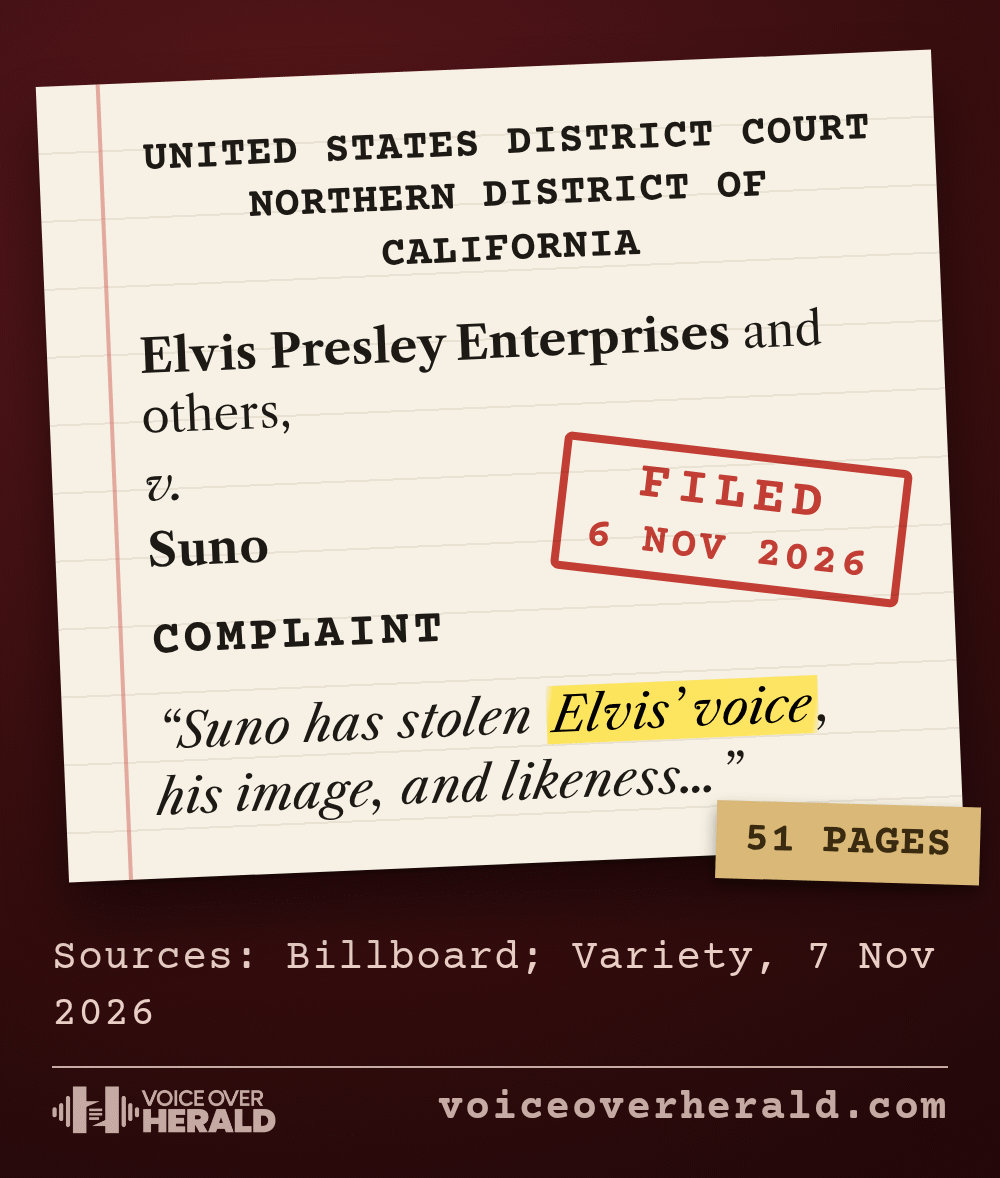
The wording matters for anyone who talks for a living. The law protects a voice “regardless of whether the sound contains the actual voice or a simulation of the voice of the individual”, as the law firm Manatt quoted it after the signing. In other words, a clone counts.

 VoiceEditSuiteAuto Clean Up now learns you.Your breath, your pace and every fix you make, so each file comes back sounding like you edited it yourself.See how it worksLearns from numbers, never your audio. Never used to train AI.
The other part that matters here is who can be sued. Billboard notes that the act “specifically imposed liability on companies that provide tools allowing for unauthorized use of a person’s likeness.” When the law passed, Manatt wrote that it could expand civil liability “to not just the companies and individuals that may be directly involved in creating them, but also the technology companies that make the underlying technology available and the platforms that publish the offending content.” The same note pointed to the defences that remain: an exception for comment, criticism, scholarship, satire and parody, and copyright preemption.
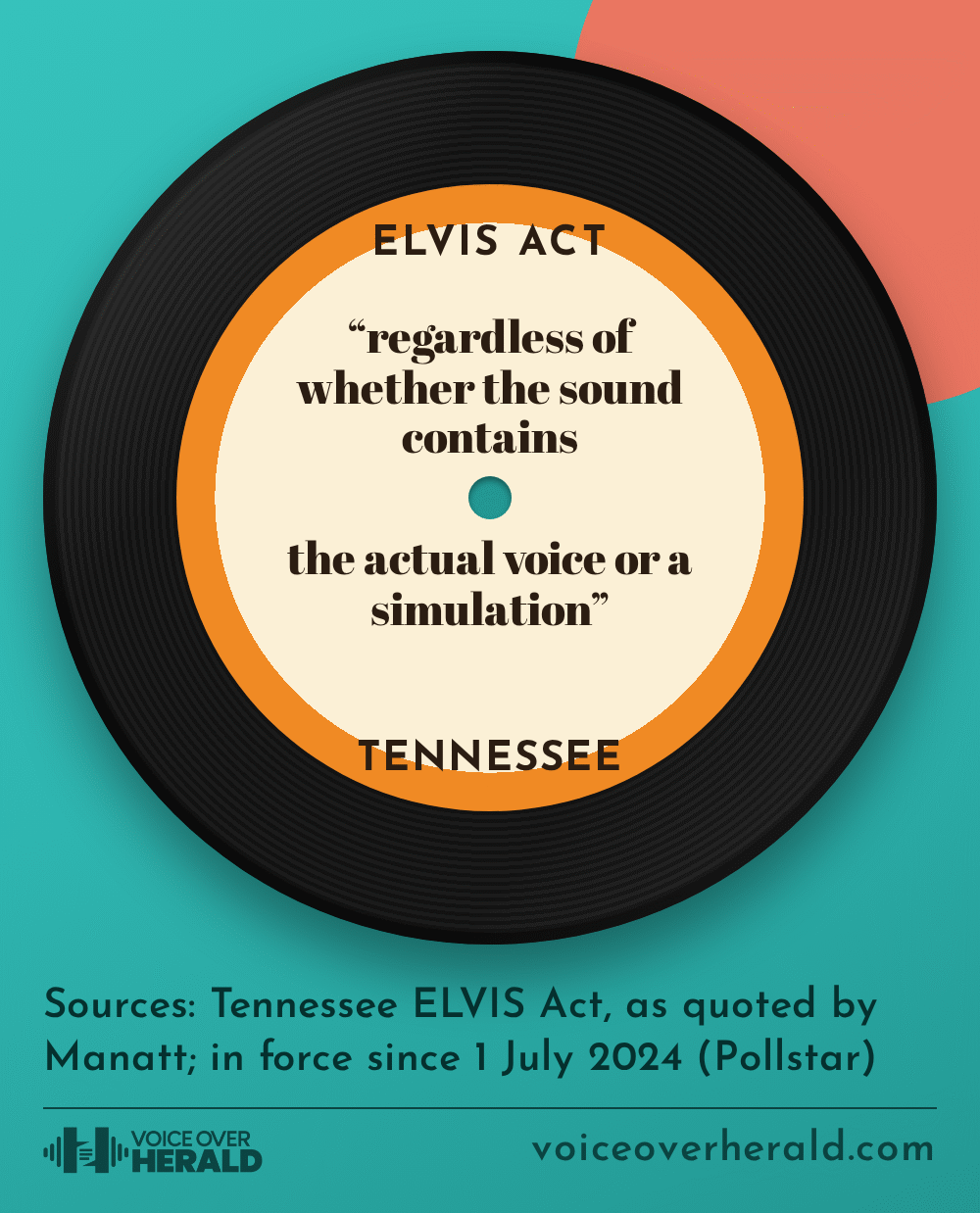
“Suno is the embodiment of why the ELVIS Act was so essentially required,” the complaint reads. “Suno has stolen Elvis’ voice, his image, and likeness, as well as his copyrighted works on, literally, a breathtaking scale, and must now be called to answer for its theft.”
Suno’s answer
Suno hasn’t filed a reply in court yet, but a spokeswoman gave Billboard a statement on Saturday. “Suno exists to help people create new, original music, not to trade on anyone’s name or likeness, and we prohibit any unauthorized use of an artist’s work,” she said. “To protect against this, we do not allow prompts for specific artists’ names and songs and work with third party providers to screen uploaded audio files and lyrics for potential misuse.”
Authentic Brands Group spokeswoman Lark-Marie Antón told Billboard the lawsuit and its evidence “speak for themselves”. “The name, image, likeness, and music of Elvis Presley are among the most valuable intellectual property assets in the world,” she said. “We protect those rights vigorously.”
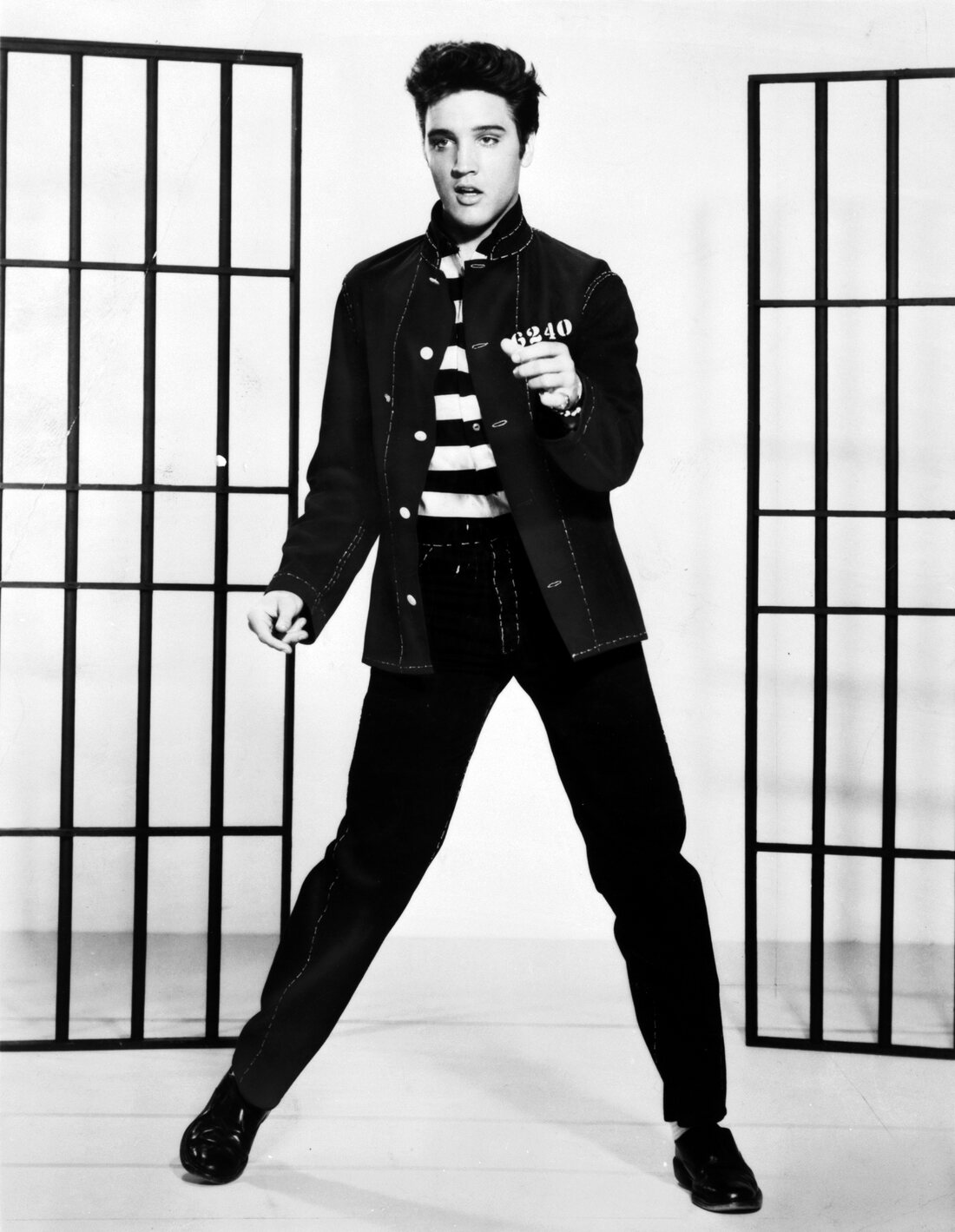
Image: Metro-Goldwyn-Mayer publicity photo for Jailhouse Rock, 1957, public domain, via the Library of Congress
Suno is already fighting a likeness case from the Americana singer Jason Isbell and other musicians, who are seeking class-action status. In that case, Variety reports, Suno told the court there was “nothing unlawful” about asking for a song in the vein of an artist. On the same Friday, the lawyers behind the Presley suit filed a second case against Suno, over copyright, for Eight Mile Style, the publisher that controls hundreds of Eminem recordings.
Why voice actors should watch this one
This is a singing case about the most famous voice in pop music. But the law it leans on isn’t written only for stars. The ELVIS Act protects an individual’s voice in Tennessee, and its tool provision is the part every performer whose voice gets copied should care about. If a court accepts that a company can be liable when its users produce a recognizable voice, narrators, promo voices and character actors in Tennessee get a precedent they can point to. If Suno’s defences win, these state voice laws look narrower than their supporters promised.
For now, the practical lesson is the one courts can’t give you: know where your voice is, who holds recordings of it, and what your contracts say about AI. Voice Over Herald’s guide to the AI clauses to look for in voice contracts is a good place to start. The Presley case was only filed on Friday, so no ruling is close, and we’ll follow it.
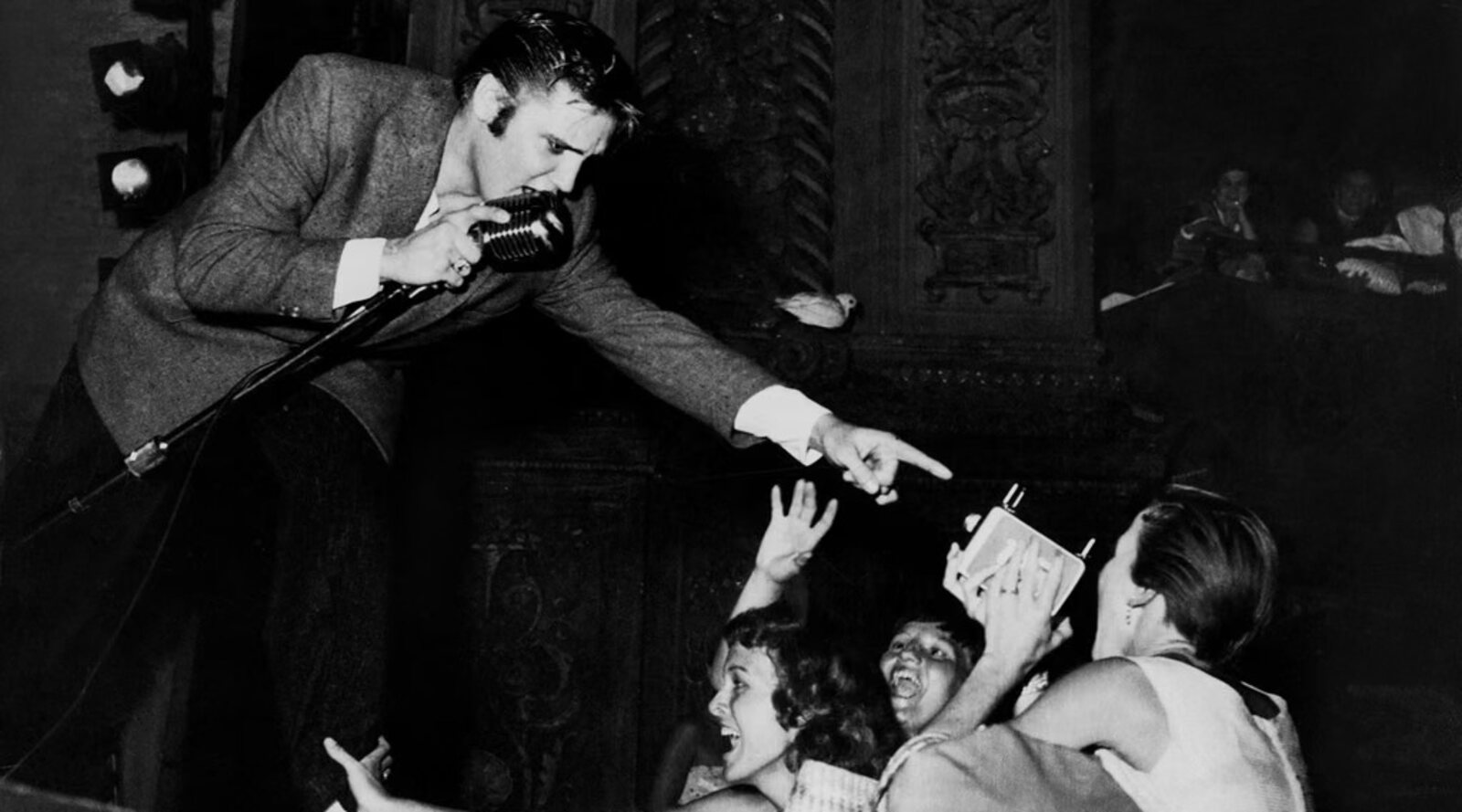
Sources: Billboard, “Elvis Presley Rights Owners Sue Suno Over AI Voice Cloning”, 7 November 2026; Variety (via MSN), “Elvis Music Owners, Eminem Publisher File Sprawling New Lawsuits Against AI Music Generator Suno”, 7 November 2026; Pollstar, “Tennessee Enacts ELVIS Act”, 22 March 2024; Manatt, “Tennessee’s ELVIS Act Expands Publicity Rights for Individuals’ Voices”, 2024. Video: ElvisPresleyVEVO. Main image: Elvis Presley at the Olympia Theater, Miami, 3 August 1956, photo by Don Wright for the Miami Herald, public domain, via Wikimedia Commons.
Lee este artículo en español: Los dueños de los derechos de Elvis Presley demandan a Suno por clonar su voz. Es una de las primeras grandes pruebas de la Ley ELVIS de Tennessee
Know something about this story, or spotted an error? Tell the newsroom.