SAG-AFTRA’s Chief Says Up to 15% of Members Want AI Blocked. His Test for a Voice Replica: Does It Sound Like You?
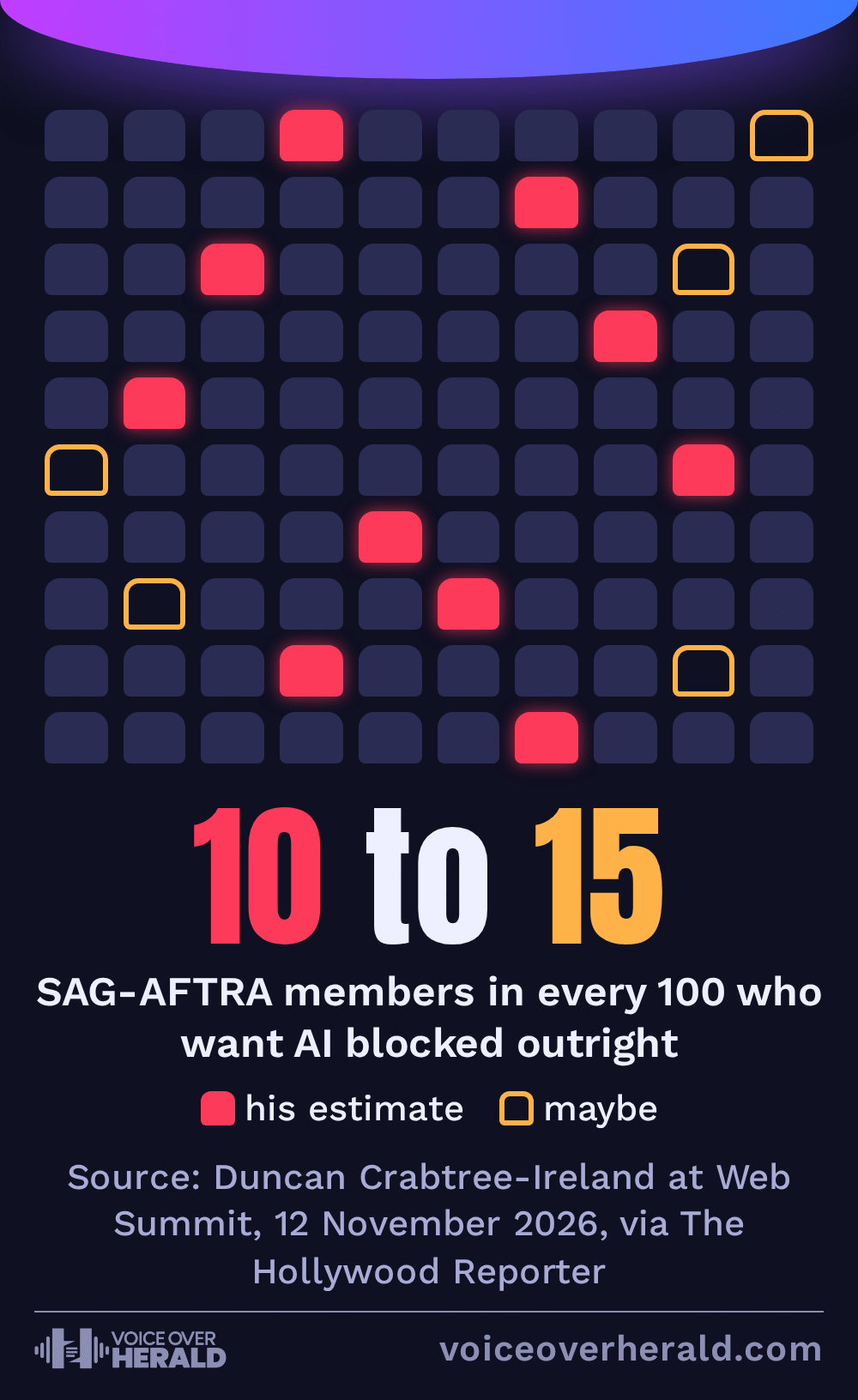
SAG-AFTRA’s chief executive told a tech crowd in Lisbon this week that a small but angry part of his union wants artificial intelligence blocked outright, and that he can’t do it. Duncan Crabtree-Ireland put the number at “something like 10 percent, maybe 15 percent.” He also gave the clearest test yet for when a synthetic voice crosses the line: if it sounds like you, it’s a replica of you.
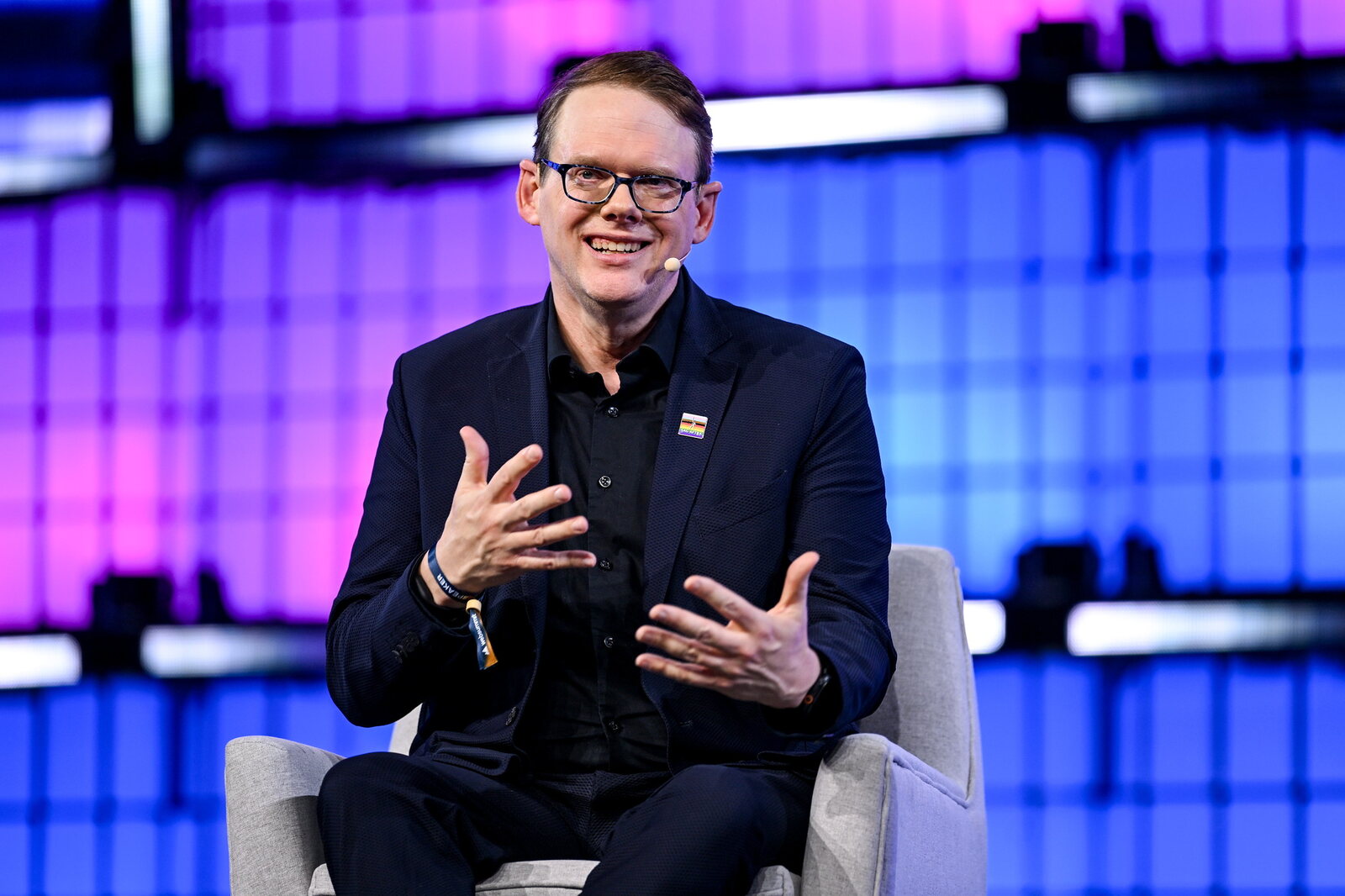
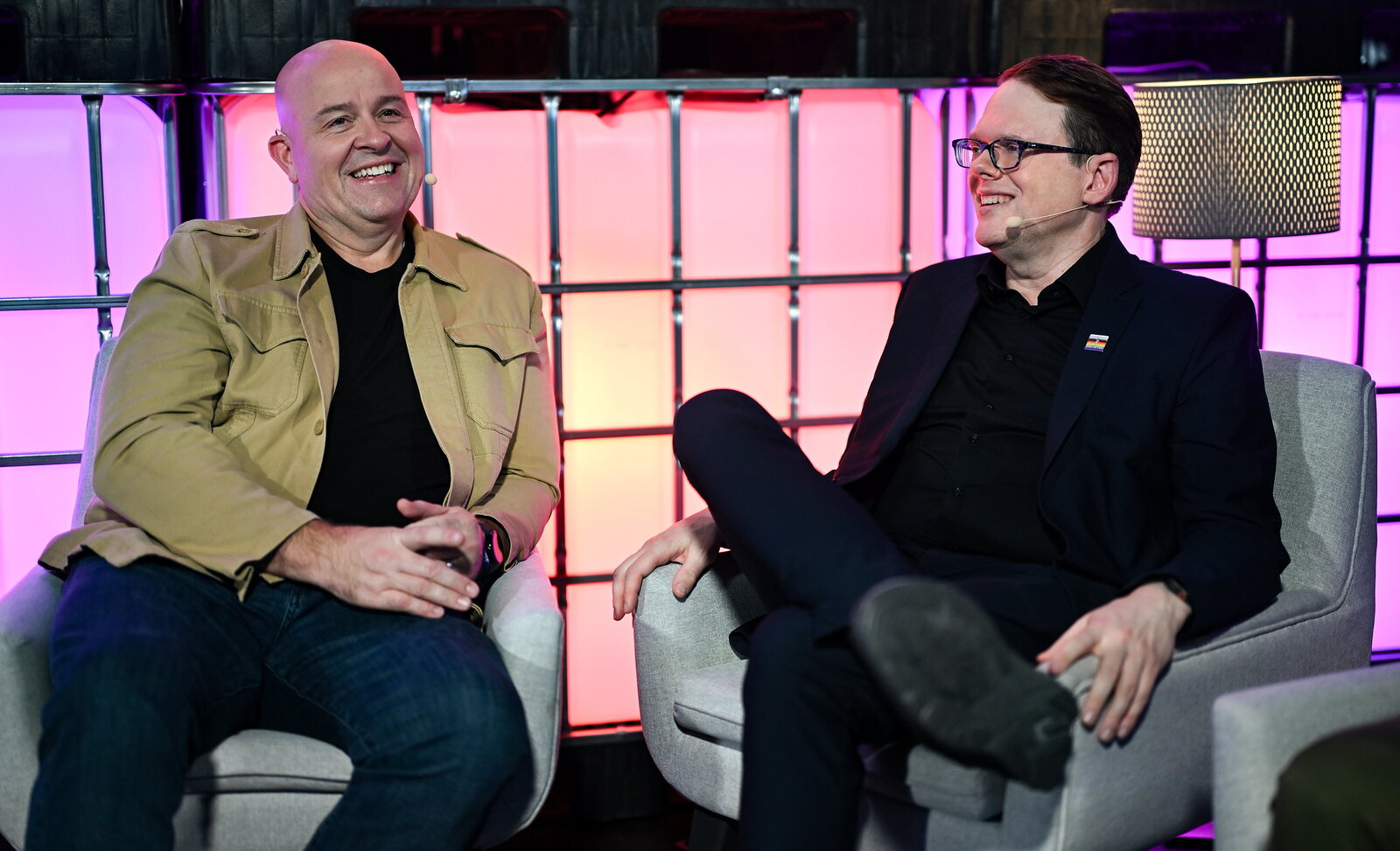
Crabtree-Ireland, the union’s national executive director, spoke on Web Summit’s Centre Stage on Thursday 12 November, the last day of the conference. He shared the session with Dan Neely, co-founder and chief executive of Vermillio, a company that licenses likenesses and hunts down unauthorised copies. Stewart Clarke of Deadline moderated.
For voice actors, much of what he said was about them, even when he didn’t use the word. Voices are the easiest part of a performer to copy, and the hardest to prove were taken.
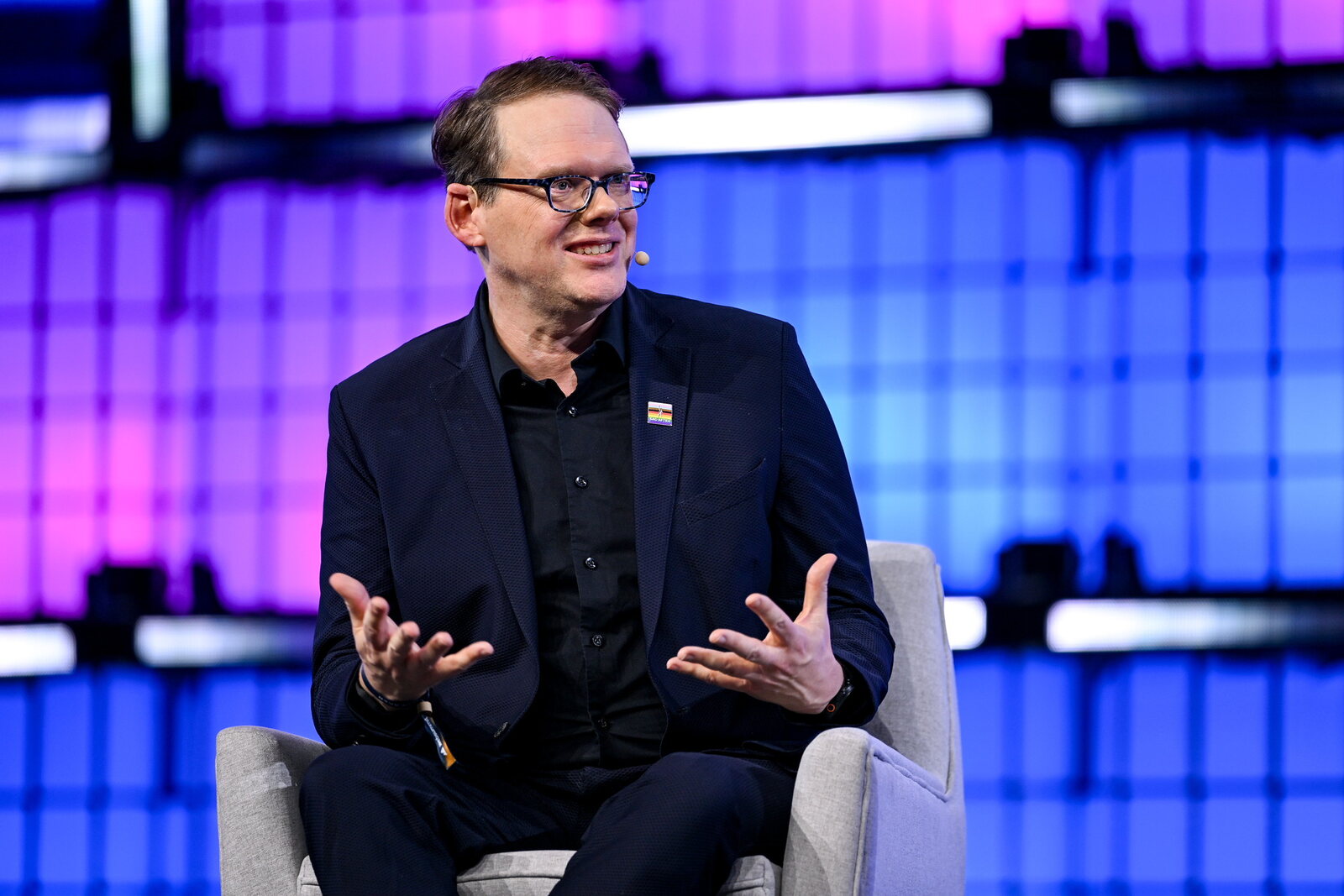
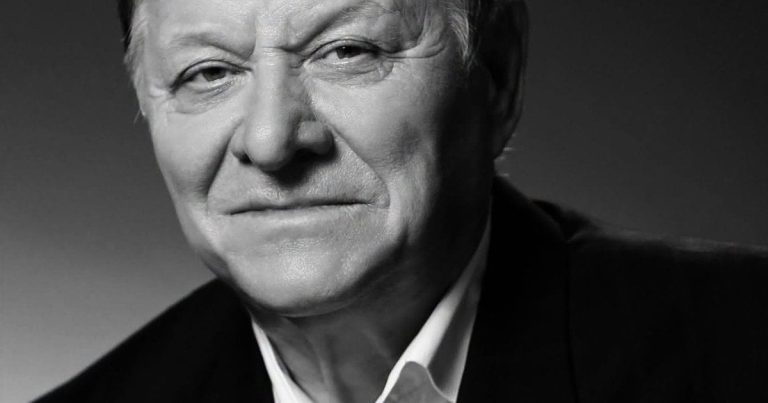
Photo: Ramsey Cardy, Web Summit via Sportsfile, CC BY 4.0
“They’re angry that we aren’t”
The union’s line on AI has settled into rules rather than bans. “I think there’s been an understanding and an acceptance of the fact that no one can stop it, no one can block it,” Crabtree-Ireland said, as reported by The Hollywood Reporter. “I think that there’s been a sense that if we put the right basic rules in place, there is a way to coexist with AI.”
Not every member agrees, and he didn’t pretend otherwise. “Some of our members would like us to block it. I hear from them every day, and they’re angry that we aren’t,” he said. Asked how many of the union’s roughly 160,000 members want AI blocked completely, he answered: “If I were estimating, I’d say something like 10 percent, maybe 15 percent.”
That leaves most of the membership somewhere in the middle. “Some of our members really want to work with AI tools for augmentation,” he said, but “none of them want to be replaced by AI because they love the act of creation.”
What makes a replica
The part of the talk that matters most for anyone who earns a living behind a microphone was his definition of a digital replica. “If it is going to be perceived as your voice, if it clearly sounds like you or if it looks like you,” he said, then “that is a replica.”
 VoiceEditSuiteNewAuto Clean Up now learns how you breathe.Learns from numbers, never your audio. Never used to train AI.See how it works
That’s a test about what a listener hears, not about what went into the machine. It matters because the companies behind voice tools rarely say what they trained on. He pointed to OpenAI’s chatbot voice that drew comparisons with Scarlett Johansson after she had declined to license her voice. “I think OpenAI ultimately did the right thing and took that down,” he said. “They did not admit that her voice was used, but it sure sounded a lot like her.”
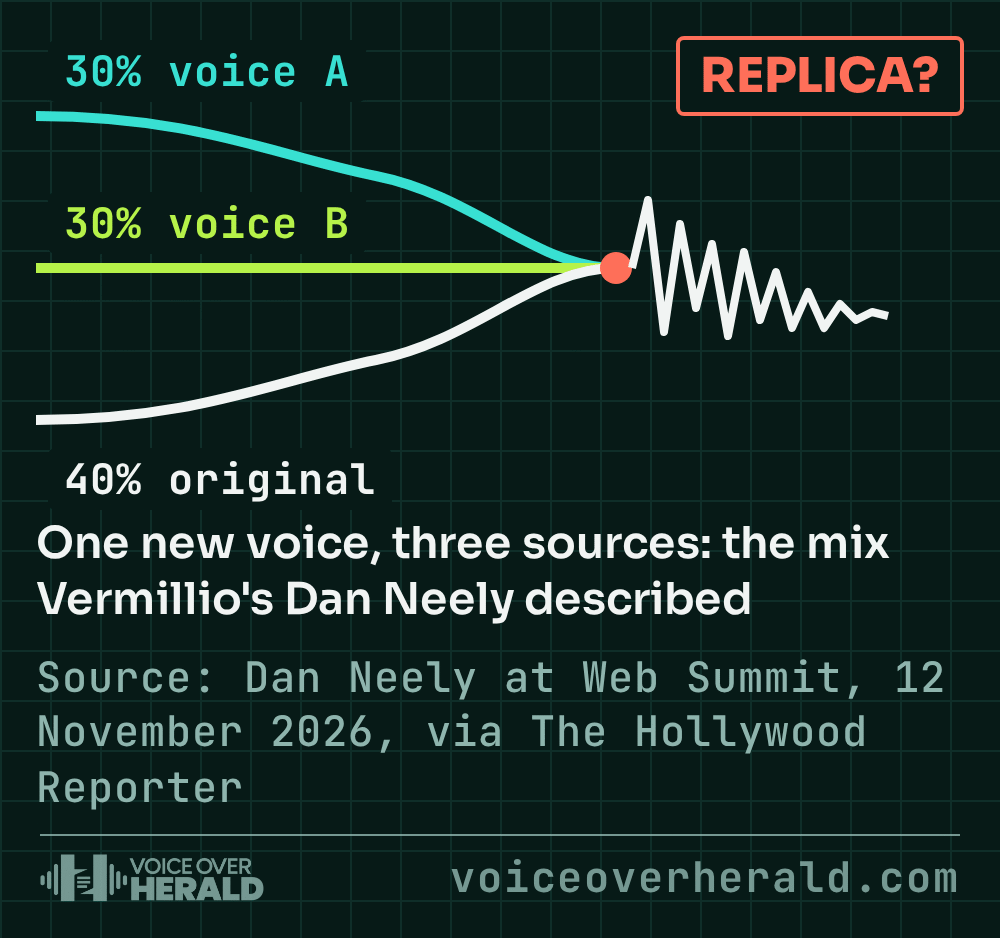
Neely described the problem from the other side. Vermillio measures how much of a known person shows up in a generated clip. A new voice might be, in his example, “Maybe 30 percent Duncan’s voice, 30 percent of my voice and 40 percent original.” Vermillio says it can flag that mix, and that each person in it could act. “So Duncan could block my right and I could block his,” Neely said.
Consent, control and compensation
Crabtree-Ireland kept coming back to the three words the union has built its contracts on. When a company takes someone’s likeness, he said, “those should be present.” He also recalled the 2023 strike and a sign a writer carried on the picket line, a line he quoted word for word.
“The human condition is uniquely human,” he said. A machine can mimic it, but that “doesn’t mean that you can actually generate that spark of creativity.” And he was blunt about the work itself: “It’s an incredibly hard career. It’s so hard to be an artist in this world.”
Those principles are already on paper for animation voice actors. Two weeks ago members ratified SAG-AFTRA’s new television animation contracts, which run from July 2026 to June 2030. The vote was 94.95% in favour, and the deal adds up to a 12.6% wage increase over four years, according to Pirates & Princesses, citing Deadline and TheWrap.
The AI terms are the part voice actors will feel. Studios now need an actor’s consent to use a digital copy of their voice to dub a performance into another language, and they must tell the union before licensing performances to train an outside company’s AI. Bob Bergen, the voice of Porky Pig, put the stakes plainly: “TV Animation is one of the few voiceover contracts that has stayed mostly union.”
Proving which recordings are yours
A replica test that depends on what a voice sounds like has a practical catch. Someone still has to show which recordings are the real ones, and when they were made. That’s the gap a few companies have started to fill for working actors.
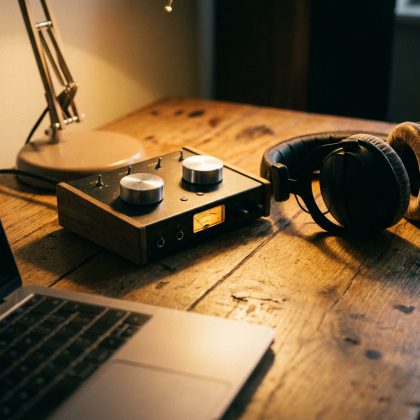
On The Voice Realm, voice actors can switch on Voice Lock for their demos. The Voice Realm says it’s the world’s first voiceover marketplace to protect voice actors’ demos with an invisible watermark. Once a voice actor switches it on, each protected demo gets a dated certificate that anyone can check online. It doesn’t claim to spot clones. What it does is prove which recordings belong to the actor, which is exactly the evidence a takedown request or a union complaint needs.
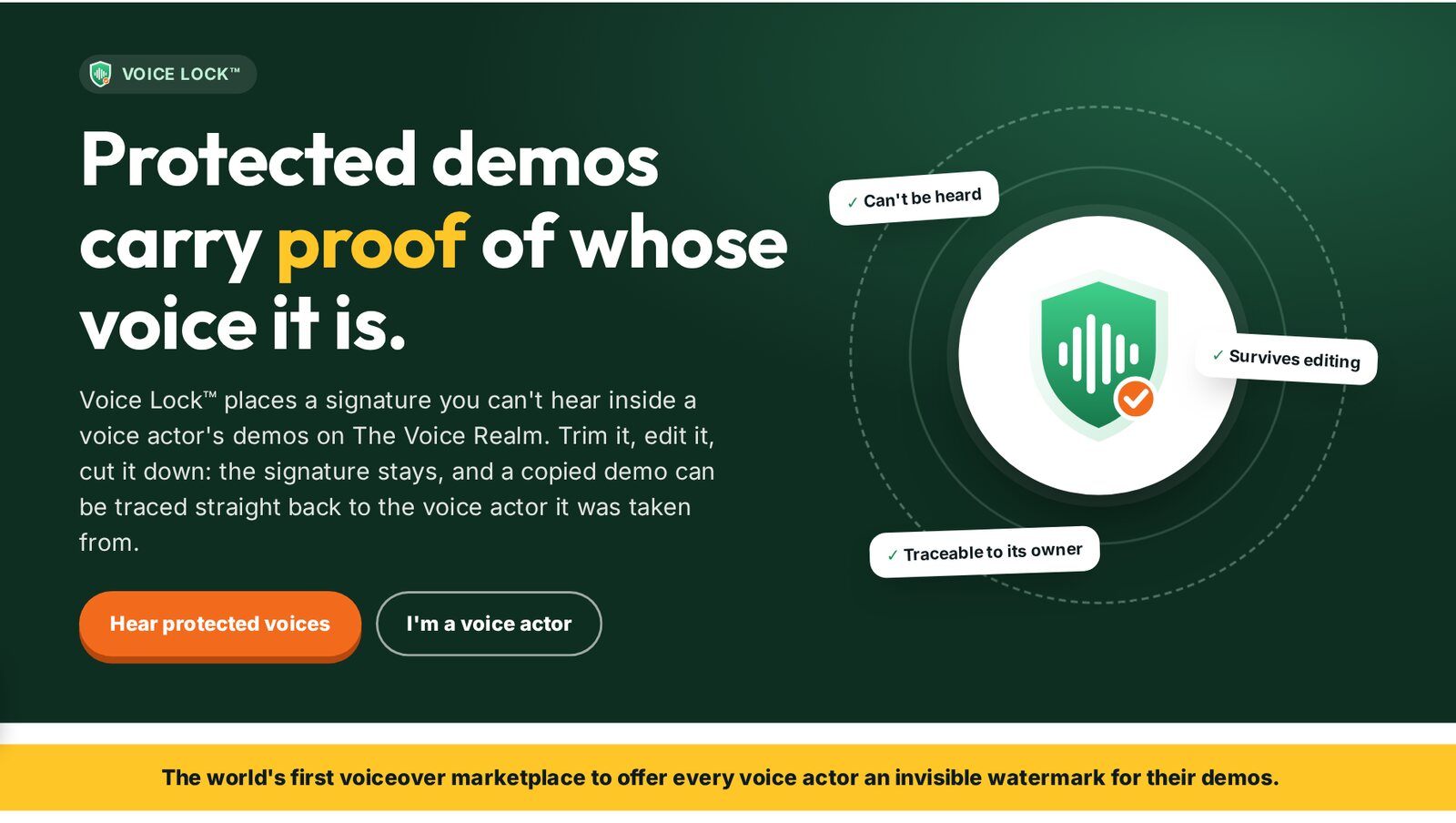
Image: The Voice Realm
What comes next
Neely expects “much more clarity” on how likeness rights work within the next 12 months. In the United States, the NO FAKES Act, a federal bill to protect a person’s voice and likeness from unauthorised digital replicas, is still making its way through Congress.
Crabtree-Ireland conceded that nobody has managed to stay ahead of how fast the technology moves. He also had a thought on where the money should go. He suggested spending what’s left of the AI boom “towards curing some more diseases or some other things like that.”
For the 10 to 15 percent who want the whole thing stopped, that won’t be enough. For the rest, the message from Lisbon was that the fight has moved from whether AI gets used to whose voice it sounds like, and who said yes.
Sources: The Hollywood Reporter, via Yahoo Entertainment, 12 November 2026; Web Summit photo descriptions; Pirates & Princesses, citing Deadline and TheWrap; The Voice Realm. Photos: Ramsey Cardy and Sam Barnes, Web Summit via Sportsfile, CC BY 4.0.
Lee este artículo en español: El jefe de SAG-AFTRA dice que hasta un 15% de los afiliados quiere bloquear la IA. Su prueba para una réplica de voz: ¿suena como tú?
Know something about this story, or spotted an error? Tell the newsroom.