
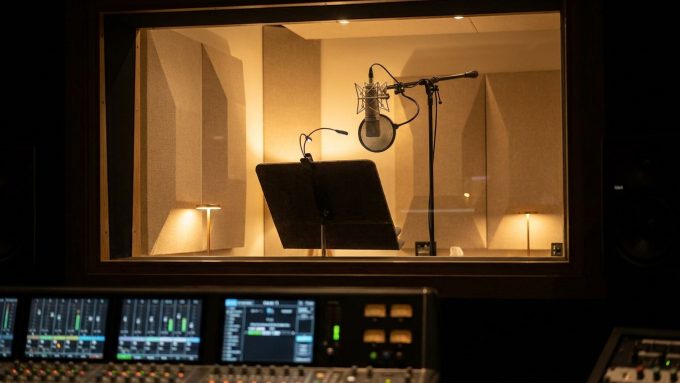


Kampala’s First VO Link-Up Put New Voices on a Live Brief. The Keynote’s Advice: Acting Comes First
In Kampala, a group of young creatives from the first Next Creata cohort ran the first VO Link-Up: a night where new voice talent got a brief, wrote a script, performed it in front of a room and heard straight away from working voices what landed and what didn’t. The keynote speaker’s verdict on the craft was blunt and generous at once.
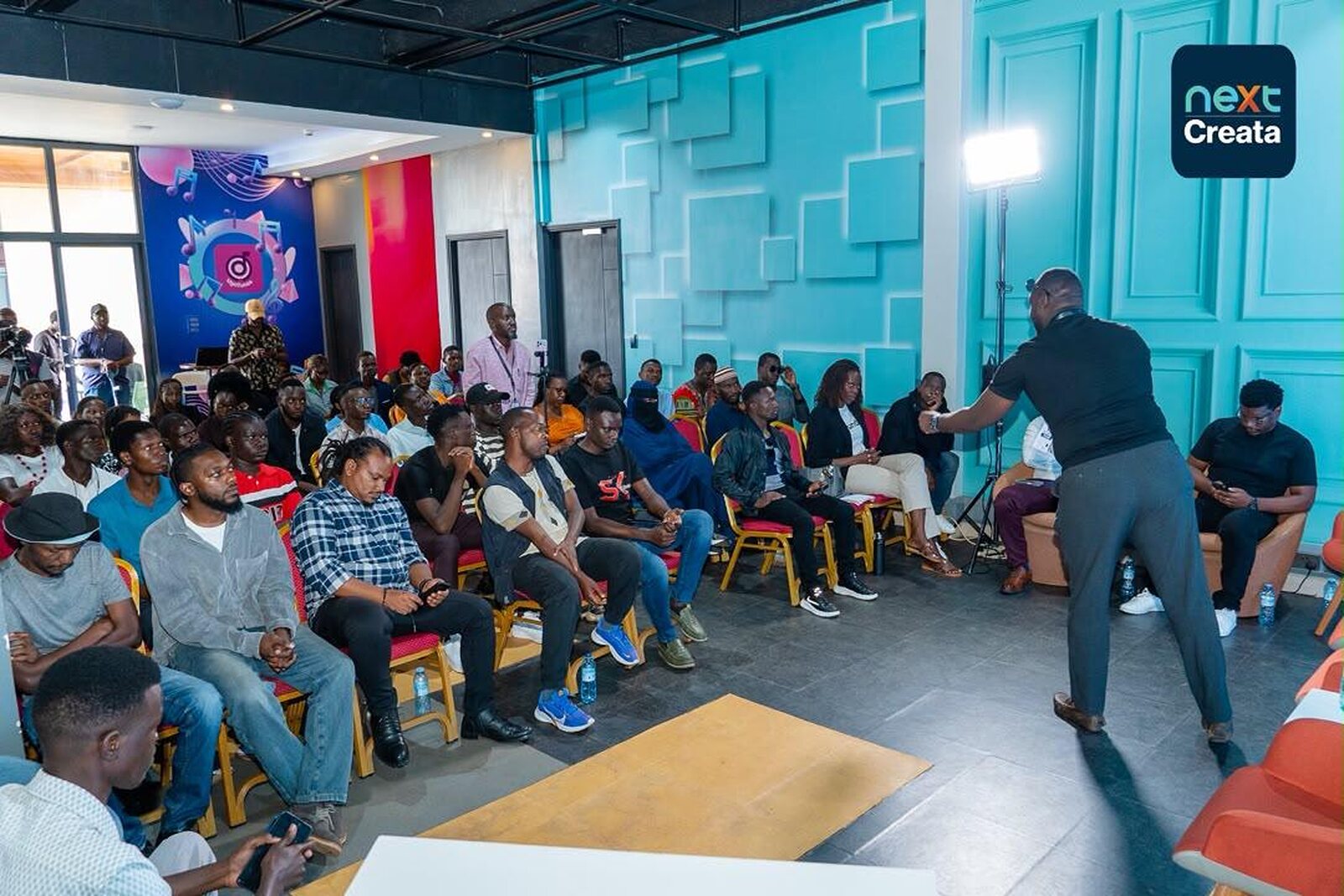
The first VO Link-Up took place at Next Media Park, the media group’s headquarters on Summit View Road in Naguru, Kampala. Nile Post, which reported the event on Sunday 8 November, says it was built to connect Uganda’s emerging voice-over talent with established artists, producers and the wider creative industry.
Nobody handed this one down from a boardroom. It was conceptualised and organised by four participants from the programme’s first intake, Sharon Butare, Naboth Sherina Amumpaire, Gabriel Ronald Okidi and Kenneth Muhanguzi, alongside fellow cohort members, with the Next Creata programme backing them to make it happen.
Hear one of the judges at work
One of the night’s judges, Timothy Jjumba Omar, is better known on Ugandan radio as Timo Pon D’Chat. In a Galaxy TV interview, the station’s caption calls him a radio producer and voice over artist, and the host introduces him as programs director and producer at Galaxy FM and Galaxy TV. A few seconds into the clip below, he drops into the big station-imaging read listeners know him for.
Hear the voice: judge Timo Pon D’Chat slips into his Galaxy FM station read about 16 seconds in. The interview is mostly in Luganda and English. Video: Galaxy TV Uganda, Deep Talk, on YouTube
That’s the kind of ear the newcomers were performing for. It’s one thing to read a script well in your bedroom. It’s another to do it with a producer who builds station sound for a living sitting a few metres away, listening for whether you meant it.
A brief, a deadline and a room full of listeners
The centrepiece was a live voice-over challenge. According to Nile Post, participants received real-time briefs, developed concepts, wrote scripts and then performed their pieces. In other words, they did the whole job, compressed into one evening, rather than reading something polished that someone else had written.

 VoiceEditSuiteNewAuto Clean Up now learns how you breathe.Learns from numbers, never your audio. Never used to train AI.See how it works
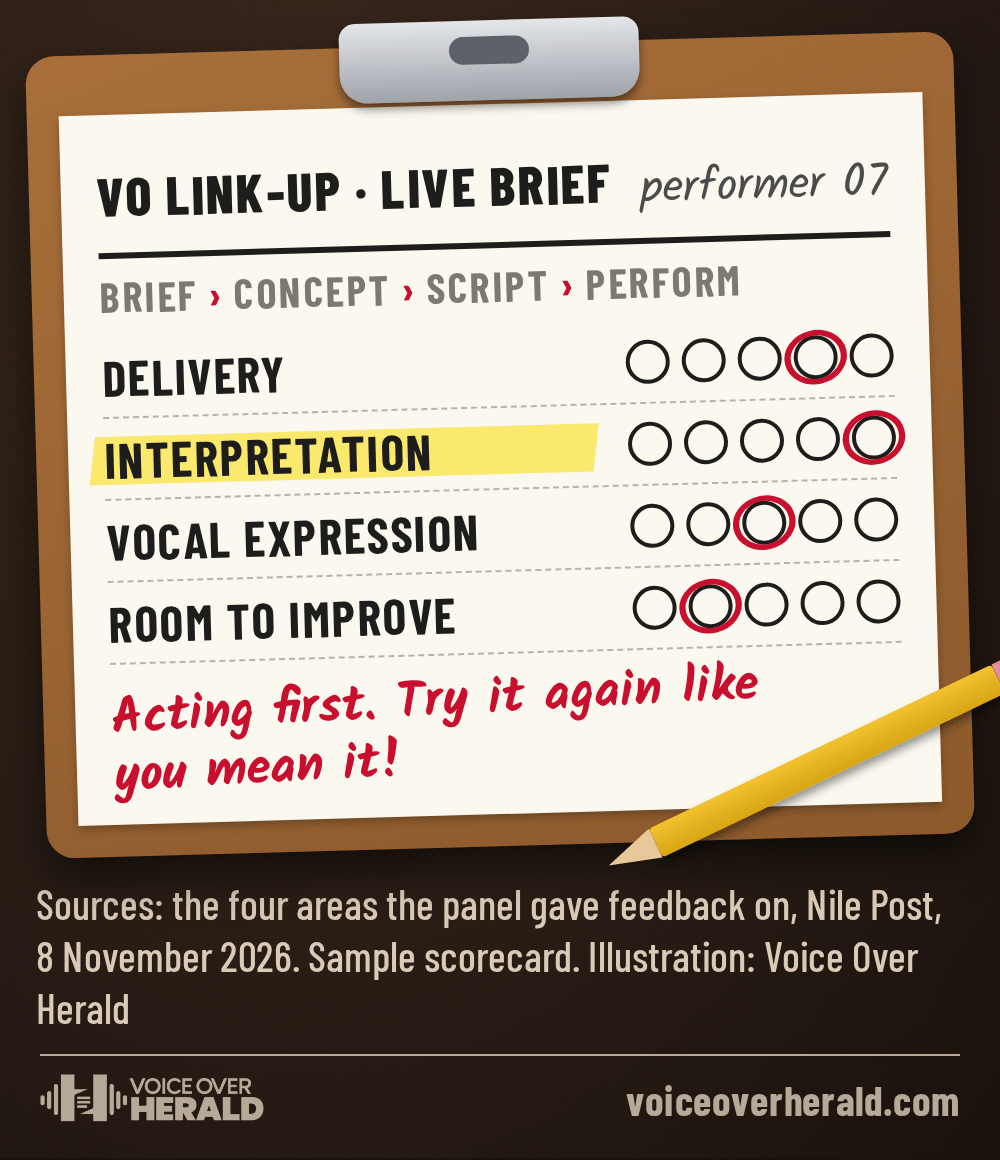
Then came the part most new voice actors never get for free. Experienced voice-over artists and producers gave feedback on the spot, covering delivery, interpretation, vocal expression and where each performer could improve. Plenty of people spend months sending auditions into silence before anyone tells them anything at all.
The judges and panel contributors were Shafik Nekambuza, Yaddah Wanjiku, Joshua Econi, Andrew Onen, Cophi Samuelz, popularly known as Jajja Wabaana, and Timothy Jjumba Omar, also known as Timo Pon D’Chat. Alongside the challenge there were industry discussions and time to meet the people who hire and produce voices in Uganda.
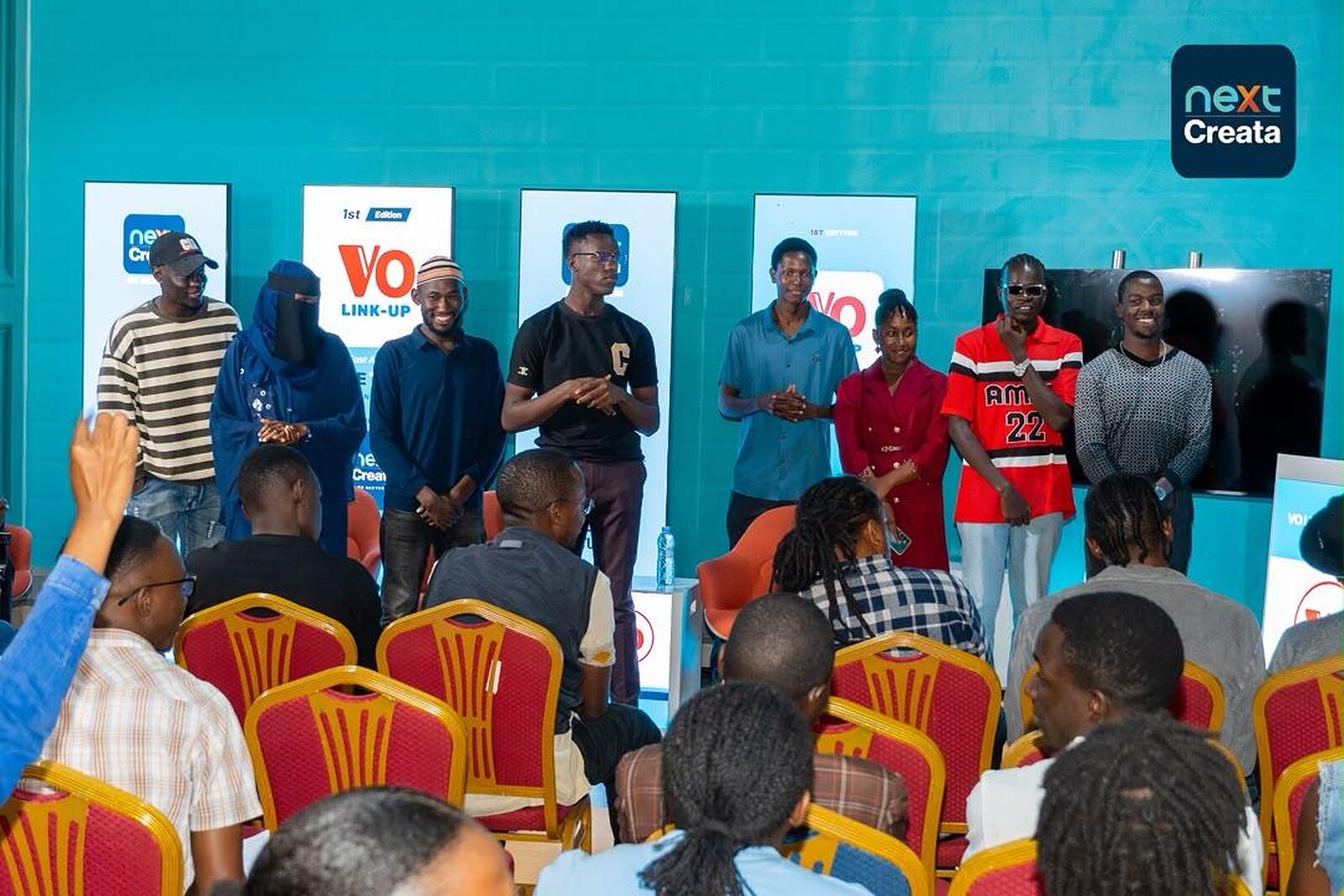
On stage at the first VO Link-Up, Next Media Park, Kampala. Image: Nile Post / Next Media
“Acting comes first”
The keynote came from Daudi Ogutu, a voice-over artist and co-founder of Kafunda Creative, and he spent it on the thing every coach eventually says out loud. He told the room to understand their vocal abilities, practise their craft and build the skills to interpret different scripts and characters.
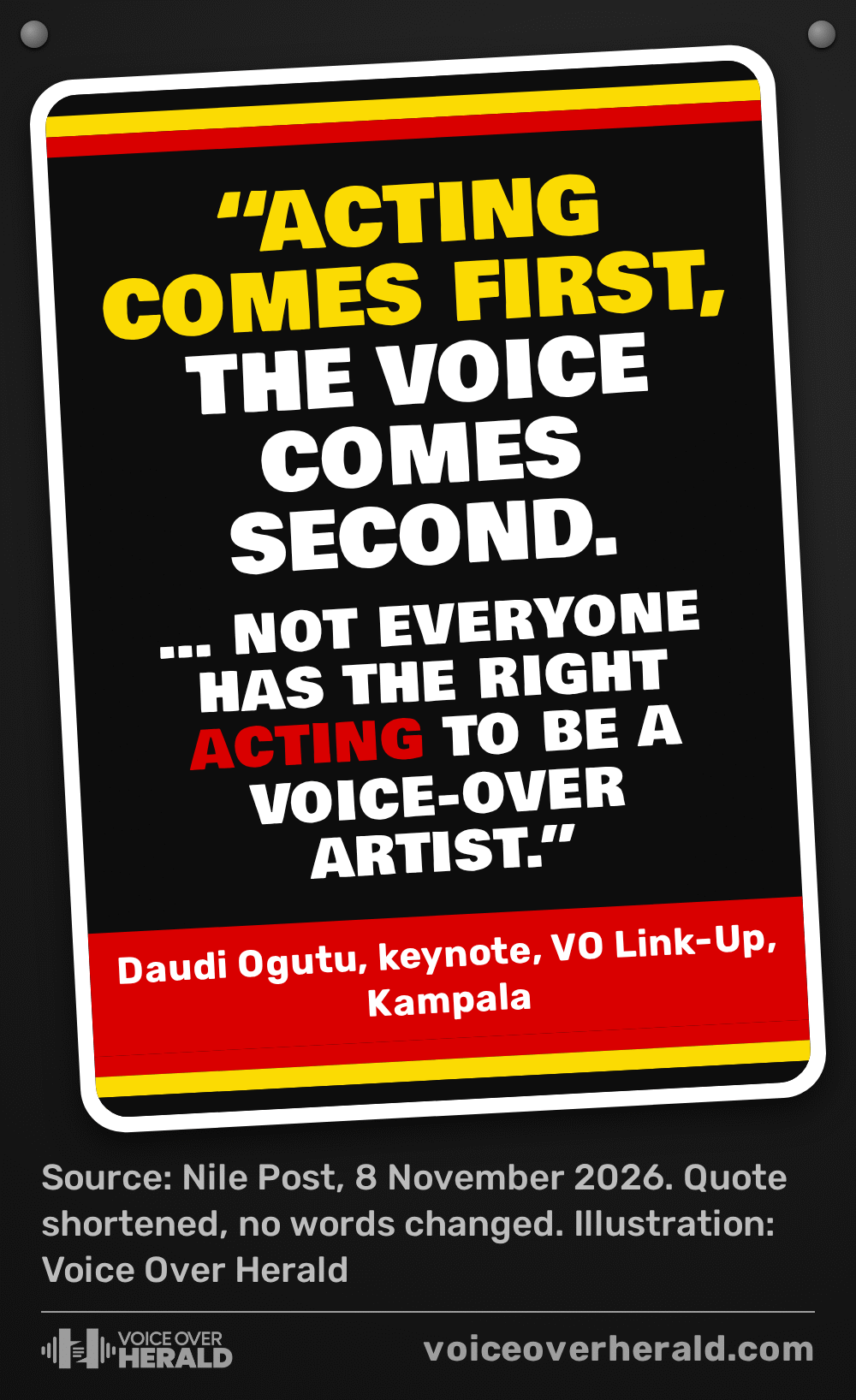
Then he put it in three sentences. “Acting comes first, the voice comes second. Anyone has the right voice to be a voice-over artist. Not everyone has the right acting to be a voice-over artist,” Ogutu said.

A panel conversation at VO Link-Up. Image: Nile Post / Next Media
It’s a useful line to hear early in a career, because it moves the question away from “is my voice good enough?”, which nobody can change much, towards “can I make this script mean something?”, which anyone can work on. Ogutu also encouraged participants to practise with different scripts, work out what kind of jobs their voices suit, and build their skills before chasing professional work.
The live challenge
The brief arrives in the room. You shape a concept, write your own script, perform it once in front of people, and hear the feedback before you sit down.
The everyday job
The brief usually arrives by email with the script attached. You record alone, send takes, and the notes, if any, come back later from someone you may never meet.
Bigger than one night
VO Link-Up grew out of Next Creata, which Nile Post describes as a content creation and digital skills programme run by NextCom under the CREATE programme, in partnership with the Mastercard Foundation, Bayimba Cultural Foundation and the International Trade Centre. Its programme lead, Eugene Kavuma, said the aim is to help young people see every role available in content creation, not only the ones in front of a camera or a microphone.
“The Next Creata programme was designed to make sure that young people understand how they can benefit from the content creation space,” Kavuma said. He described the route by which an evening like this one gets made: “Within every cohort, we get a participant coming to us with an idea they would like to execute. My answer is usually, write it down, share it, let’s bring it to life.”
When Next Media launched Next Creata in October 2025, its chief executive, Kin Kariisa, named the problems he wanted it to tackle, and voice actors anywhere will recognise the first one. “The most pressing are timely payouts, lack of standardization, and the high cost of production,” he said at the launch, adding that the platform would make sure creators are “paid on time.”
The programme’s community arm, Creata Connect, has run events before. In February it marked Africa Podcast Day with former BBC Africa Daily host Alan Kasujja and George the Poet. VO Link-Up is the first time participants have built a night entirely around voice-over, and Nile Post notes it put the spotlight on audio’s role in advertising, broadcasting, film and digital content.
What working voices can take from it
The format is worth borrowing wherever you are. A local meet-up, a class or a group of friends on a video call can run the same drill: a short brief, ten minutes to write, one take each, and honest notes from someone who books or produces voices. It trains the muscles a home studio can’t, the ones that only work when someone else is listening.
It also says something about where new voices come from. A room of first-timers in Kampala got feedback from a working radio producer, a keynote that put acting before tone, and a stage built by people their own age. Plenty of established markets could stand to copy that.
How to join the next cohort
Applications for upcoming Next Creata training cohorts are open to young creatives interested in practical skills in content creation and digital media, Nile Post says. The online application form carries the International Trade Centre and Bayimba Foundation logos, and its heading describes the Next Creator programme as one to “Mobilize and skill young women in traditional media and digital media”.
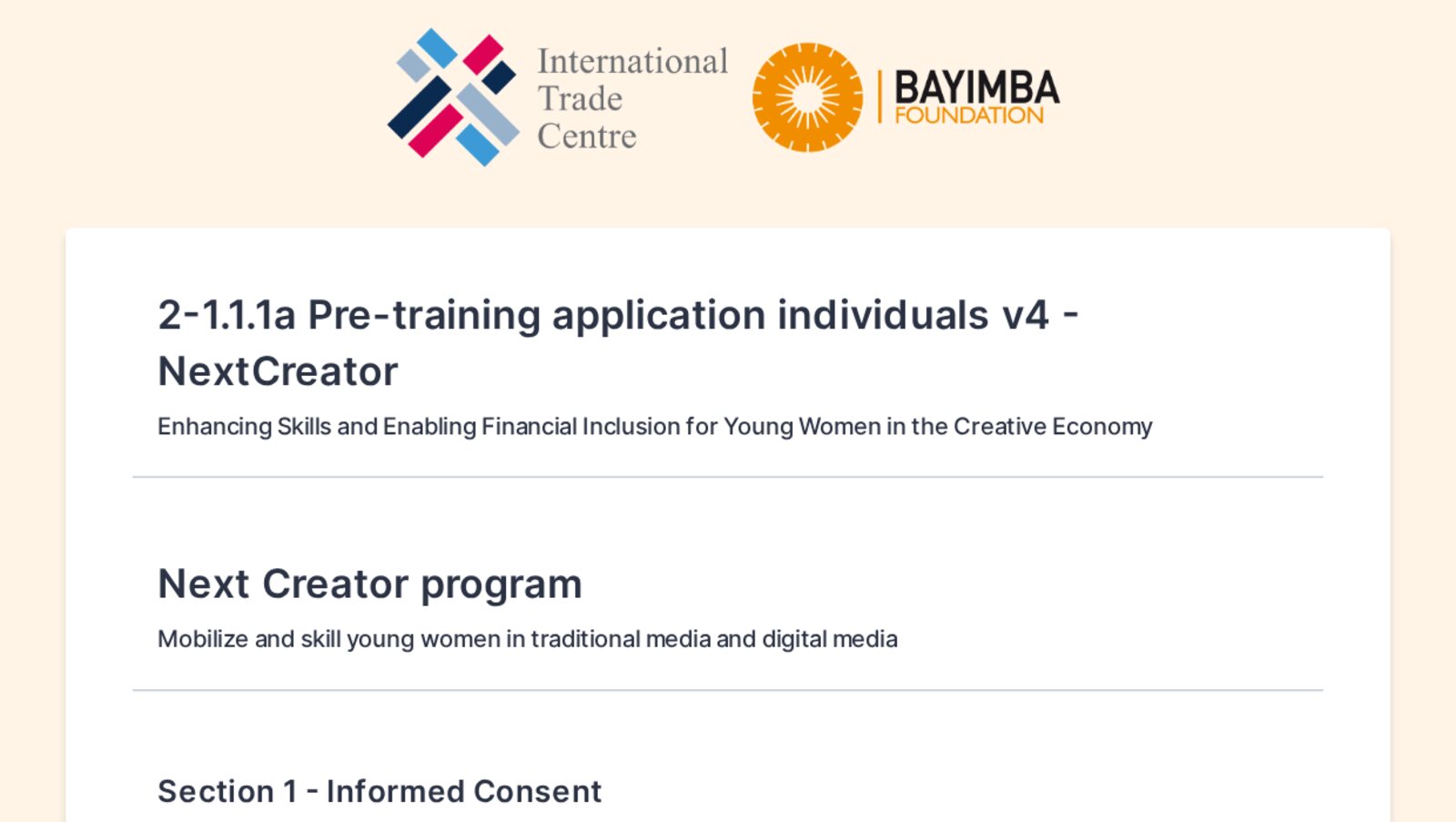
Screenshot: Next Creator programme application form, ugandacreatives.jotform.com, 9 November 2026
For the four organisers and their cohort, the lesson of the night may be Kavuma’s own: write it down, share it, bring it to life. They did, and a room full of new voices got heard because of it. Read Nile Post’s full report for more from the evening.
Sources: Nile Post, Mary Teddy Namugga, “Next Creata Participants Bring Uganda’s Voice Talent Together Through VO Link-Up”, 8 November 2026; Nile Post, Victor Tayebwa, on the launch of Next Creata, 10 October 2025; Nile Post on Creata Connect and Africa Podcast Day, 15 February 2026; Nile Post on the launch of Next Media Park; Galaxy TV Uganda, Deep Talk interview with Timo Pon D’Chat, on YouTube; Next Creator programme application form, ugandacreatives.jotform.com. Main image and event photos: Nile Post / Next Media.
Lee este artículo en español: El primer VO Link-Up de Kampala puso a voces nuevas frente a un brief en vivo. El consejo del orador: la actuación va primero
Know something about this story, or spotted an error? Tell the newsroom.