
Poland’s First AI Voice Ruling Goes to Lektor Jarosław Łukomski. The Judge Says Every Voice Is Protected, Famous or Not
A Warsaw court ruled on Friday that a company’s adverts using an AI copy of Jarosław Łukomski’s voice were a deepfake. It ordered the ads taken down, public apologies and damages for one of Poland’s best known film readers. And the judge said something every voice actor will want to hear: the protection covers anyone’s voice, not only a famous one.
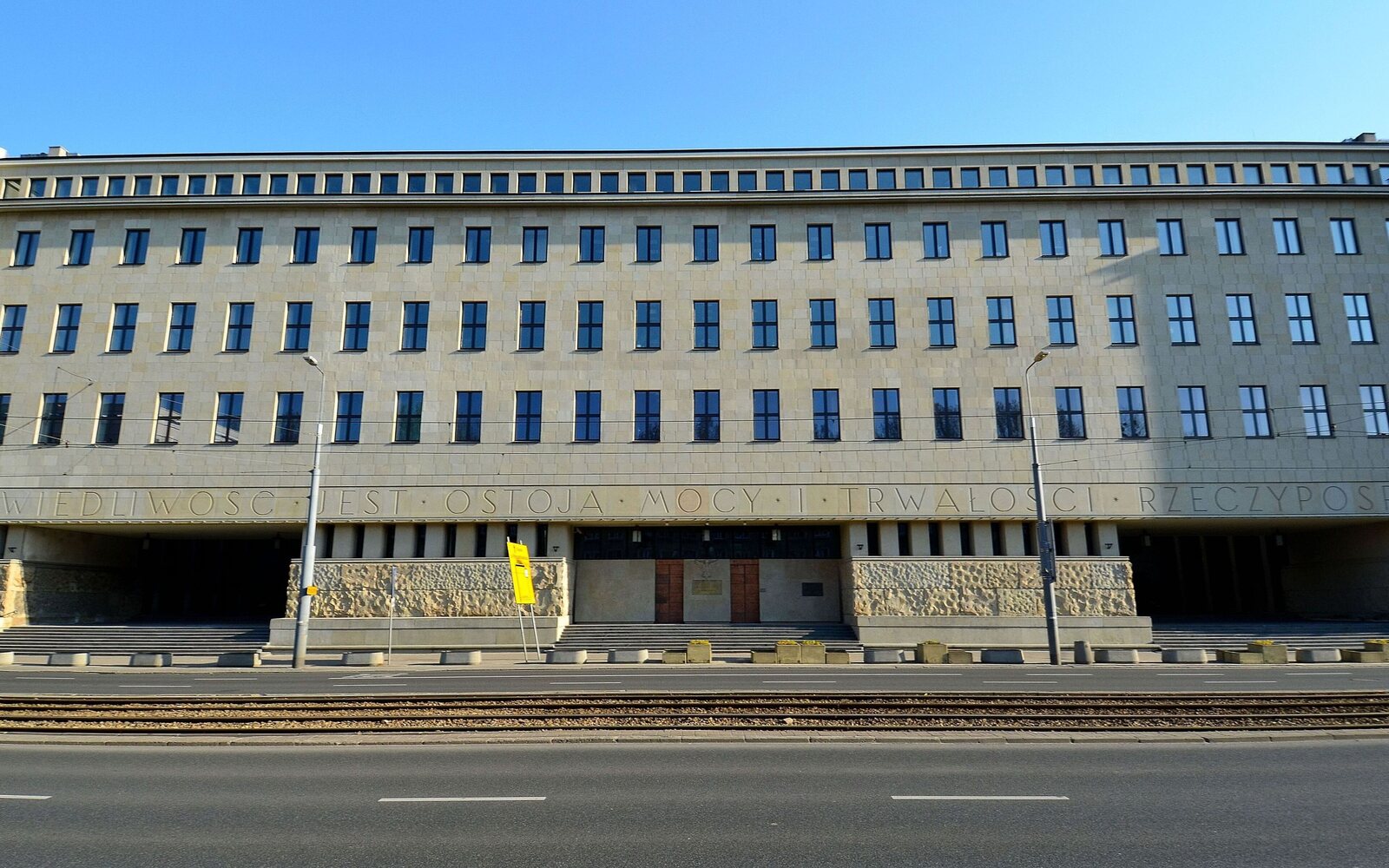
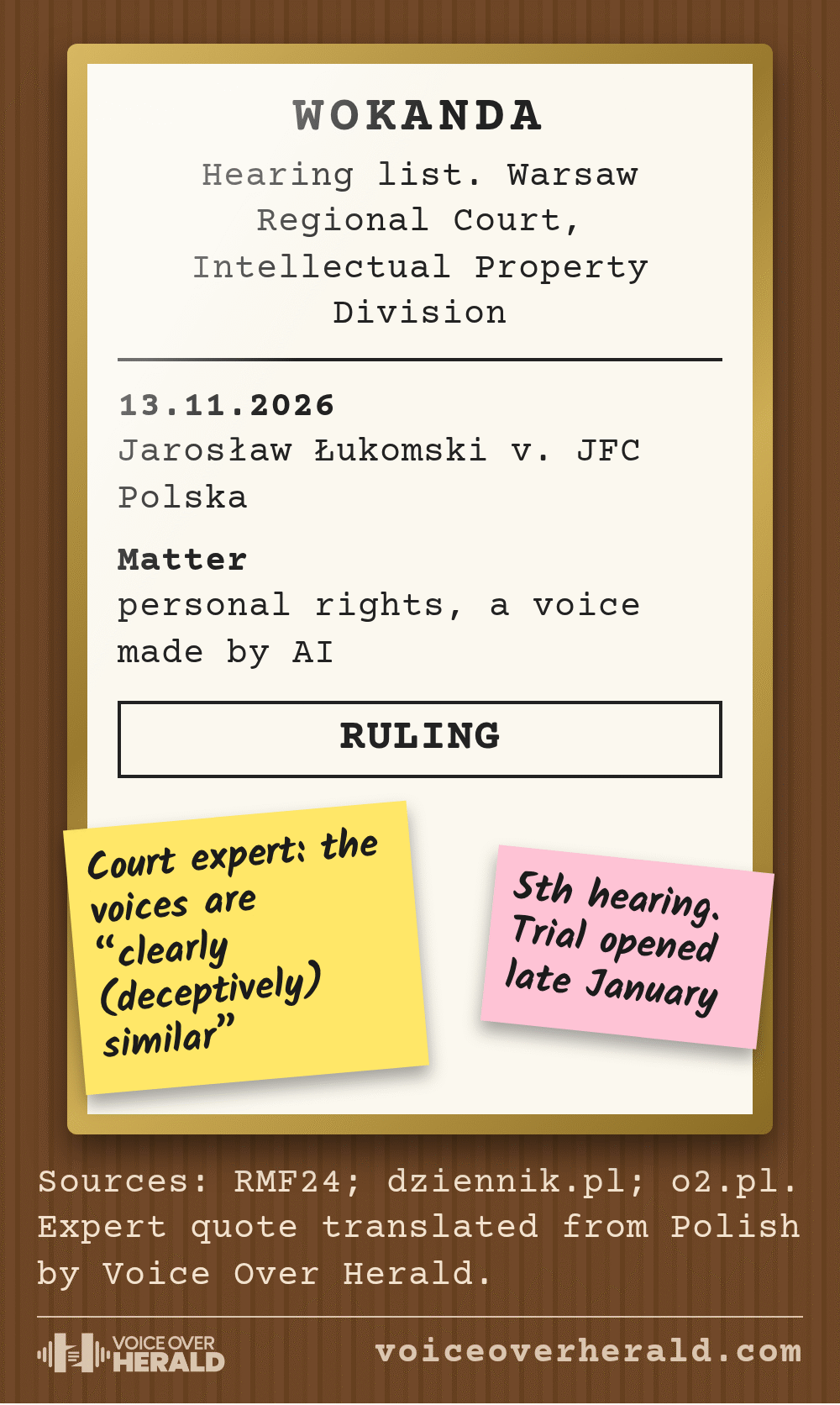
The Warsaw Regional Court’s intellectual property division gave its ruling on Friday, 13 November, at the end of what Polish media are calling the country’s first trial over a voice cloned with AI. Łukomski sued JFC Polska, a company that makes home sewage treatment tanks, after hearing a voice like his in its adverts. He never recorded them and never agreed to them. The trial had been running since late January.
Łukomski has worked as a lektor since 1983. Many foreign films and series on Polish television are read by a single voice laid over the original soundtrack, and for millions of viewers that voice becomes the sound of the film. He’s best known for war films and reads the film news programme Aktualności filmowe on Canal+.
When he went public with the case a year ago, he told Polsat News what hearing the advert felt like: “Hearing myself in that situation was a shock, not a positive shock, but a kind of great bitterness, because it’s a bit as if someone had burst into my home and ransacked it.”
Hear the voice: Jarosław Łukomski reads the show’s opening line, then talks about the advert that copied him (in Polish). Video: Rozmowy Macieja Uchmańskiego, on YouTube
What the court ordered
Judge Sylwia Wit vel Wilk sided with Łukomski on most points. JFC Polska has to remove the material that uses the voice and may not use it again. It has to publish an apology for 45 days on its Facebook page, for 14 days on its website, and on the media industry portal Wirtualne Media.
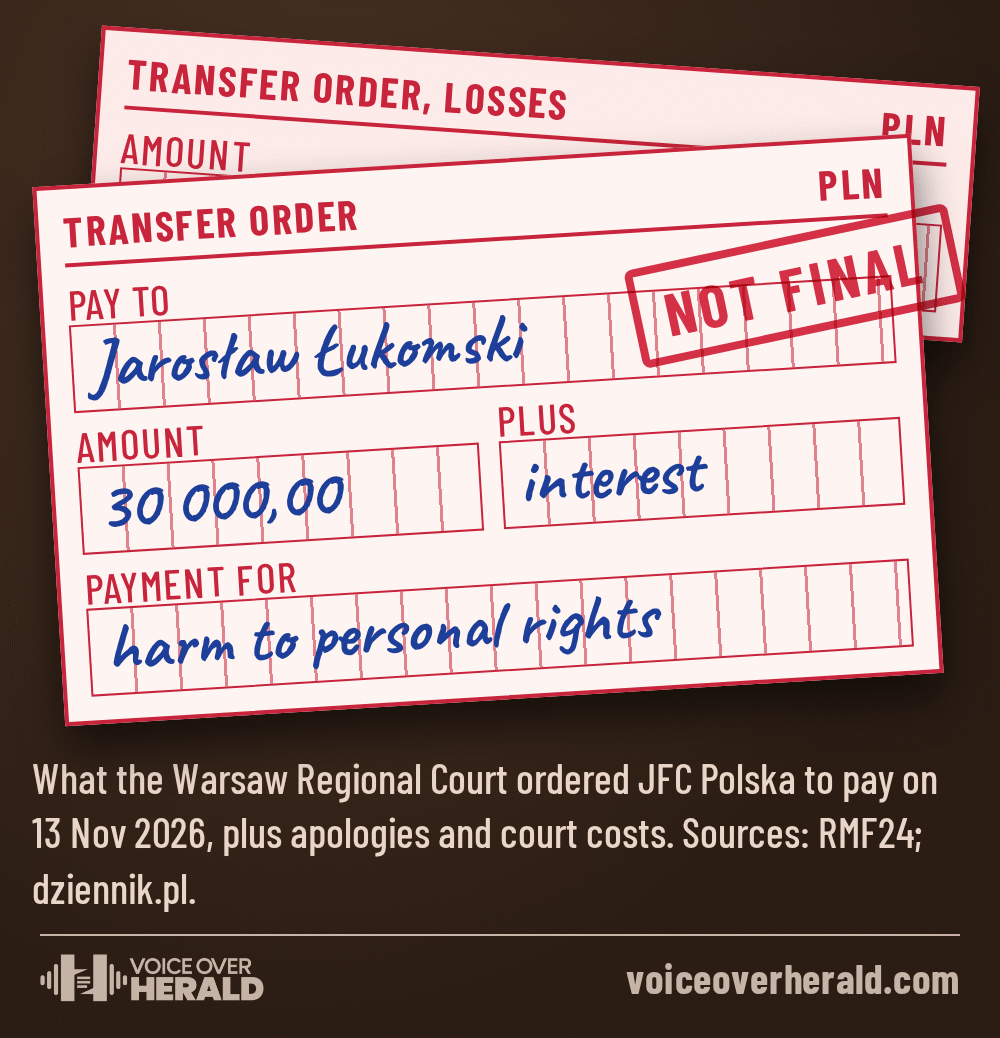
The company must also pay Łukomski 30,000 zlotys (about $7,500) with interest as compensation for the harm, more than 17,000 zlotys (about $4,260) to make up for his losses, and the costs of the trial. The court gave him less than he’d asked for, saying it had doubts about how his losses were valued.
The ruling isn’t final. According to dziennik.pl, JFC Polska’s lawyers told the Polish Press Agency straight after the verdict that they’d consult their client about what to do next.
Every voice, not only a famous one
The heart of the judgment is how the court defined a deepfake. What matters, the judge said, is whether listeners could believe the words really came from the person being imitated. If they could, that can breach the person’s right to their image and to privacy.
She put it this way, as quoted by RMF24: “The voice, as a tool for identifying the plaintiff, was created by artificial intelligence and used by attributing to the plaintiff statements he did not make.” She called it the first dispute of its kind in a Polish court and pointed to similar rulings in Germany.
Łukomski’s lawyers, including Tomasz Ejtminowicz, had argued that he owns a “premium voice”, one of the most recognisable in Poland. The judge didn’t need that argument. In her ruling, the protected interest is the voice of every individual person, however well known they are or aren’t.
That’s the part that reaches far beyond one famous reader. A narrator with a handful of credits, a dubbing actor whose name nobody knows, a new voice with one demo online: by this court’s reasoning, their voices belong to them too.
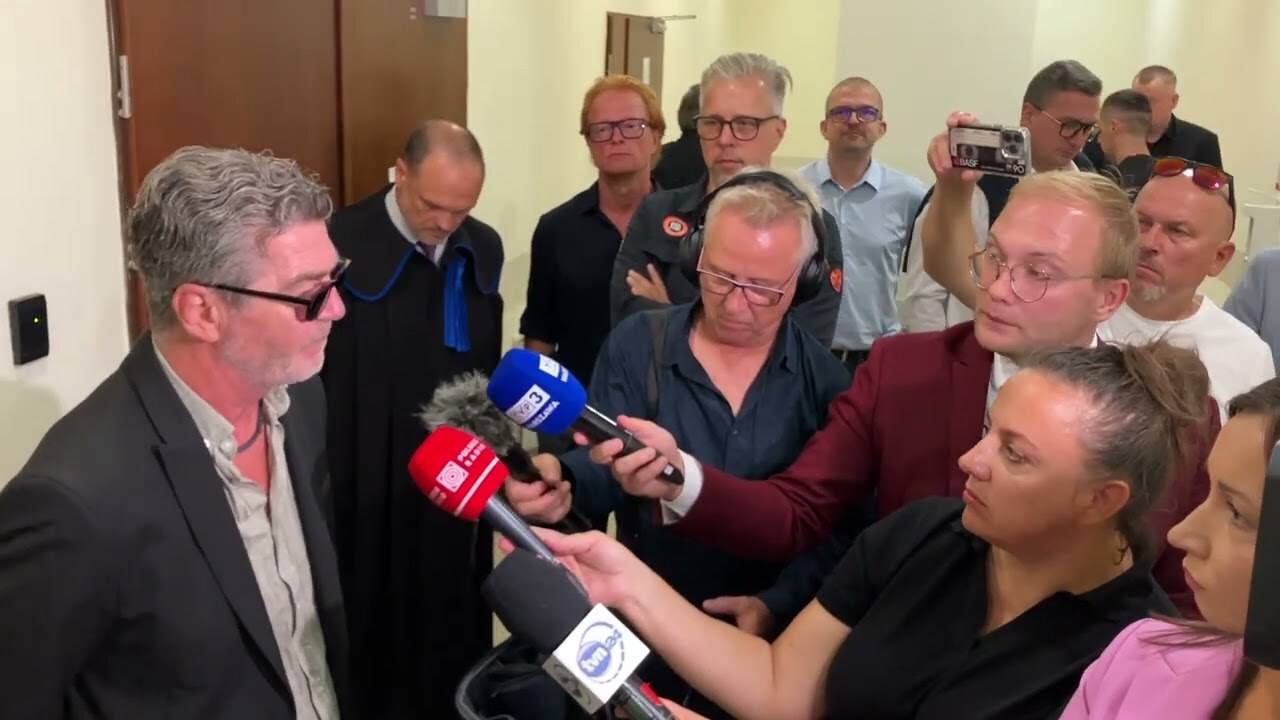
Łukomski, left, talks to reporters at the Warsaw court during the trial. Image: eKoszalin, on YouTube
How the copy was made
During the trial the court appointed an expert to compare the advert’s voice with Łukomski’s. The expert concluded that “from the point of view of the perception of an average listener, both voices must be regarded as clearly (deceptively) similar.”
 VoiceEditSuiteAudible-ready files, graded the way ACX grades.Upload a chapter and ACX Audiobook Prep gives you the numbers Audible measures, or fixes the levels, adds room tone and hands back the compliant MP3.See how it worksYour recordings are never used to train AI.
The last witness, heard on Friday, was a graphic designer at the company who’d made the adverts. According to dziennik.pl, he said he’d used tools from a Polish firm that specialises in AI voice models to create several voices, including narrators for ads in Polish, Czech, Slovak and Hungarian. He worked from samples in that firm’s voice library and edited them over time, changing things like the speaking pace and the emotion you could hear. o2.pl reports that the tool named in court was ElevenLabs, and that the ruling came at the fifth hearing, once that witness, unavailable until then, finally appeared.
Łukomski’s lawyers suggested the AI firm may have used his voice illegally to build its models. But, they pointed out, its terms say users work with the models at their own risk, so checking what came out was the advertiser’s job.
That point matters for anyone whose voice is online. The person who pressed the button and the company that ran the ad were the ones in the dock, not the software. If the court’s view holds, a business that buys a ready-made AI voice can’t hide behind the tool when that voice turns out to be somebody’s.
What Łukomski says it changes
After the verdict Łukomski said he was pleased, and that the case “creates new conditions.” Then he spelled out what he hopes those are: “I think no one will dare reach for the voice of someone who does a job like mine, or a similar one, without hesitating, without asking that person whether it’s allowed and how much it will cost, and without telling them what the content is.”
Poland gave voice actors the opposite example only this week. When CD Projekt brought AI into its new Witcher 3 expansion, it used it so that Geralt’s Polish voice, Jacek Rozenek, could keep playing the role after a stroke, with his blessing. Consent is the whole difference between the two stories.
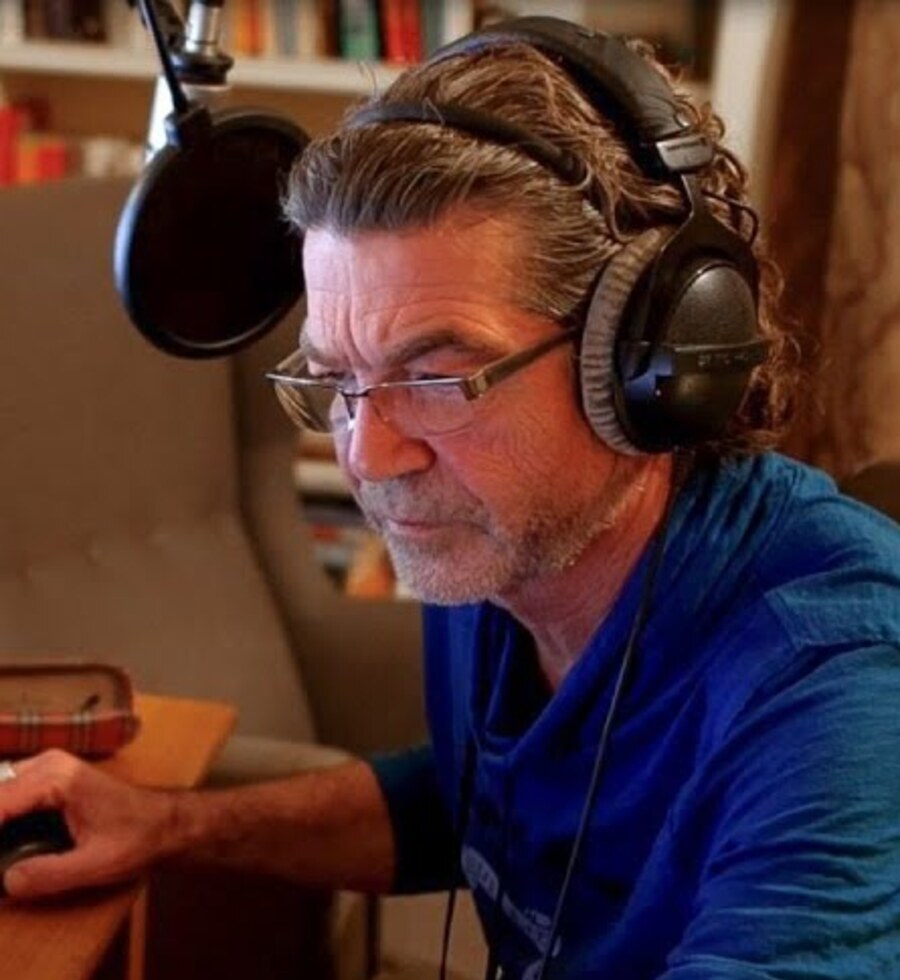
Łukomski at the microphone. Image: #AdiMoovi, on YouTube
The sums are modest, and the company can still appeal. But a Polish court has now said in plain words that a cloned voice used to sell something is a deepfake, and that the person it sounds like doesn’t have to be famous to be protected. For working voice actors across Europe, that’s a ruling worth keeping a copy of.
Proving which recordings are yours
Łukomski’s case needed a court expert to decide whose voice the advert sounded like. When a voice turns up somewhere it shouldn’t, the hardest part is often proving which recordings were really yours in the first place. That’s where watermarking comes in. In October The Voice Realm launched Voice Lock: once a voice actor switches it on, a signature nobody can hear goes inside the demos on their profile, and it stays in even if a demo is trimmed or edited. A copied demo can be traced back to the voice actor it came from, with a dated certificate anyone can check online. The Voice Realm says it’s the world’s first voiceover marketplace to protect voice actors’ demos with an invisible watermark.
Sources: RMF24 and dziennik.pl (both from the Polish Press Agency); Newsmax Polska; o2.pl; Polsat News; Polish Wikipedia. Quotations from Polish sources are translated by Voice Over Herald. Hero image: Adrian Grycuk, CC BY-SA 3.0 PL, via Wikimedia Commons.
Lee este artículo en español: El primer fallo sobre voz con IA en Polonia favorece al lektor Jarosław Łukomski. La jueza dice que toda voz está protegida, famosa o no
Know something about this story, or spotted an error? Tell the newsroom.