
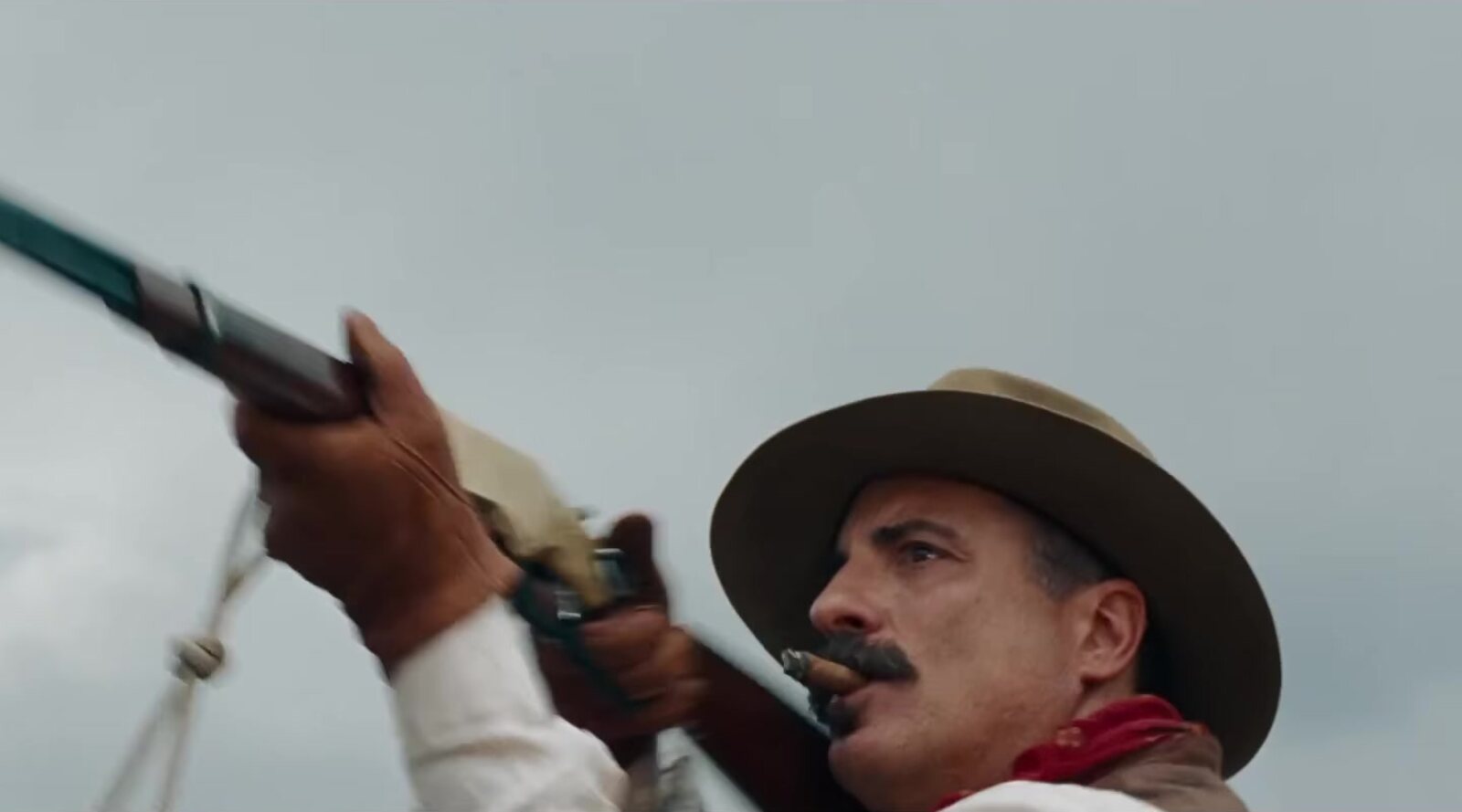
Andy García Dubs Himself Into Spanish for the First Time. Cristiada Returns to Mexican Cinemas 14 Years Later
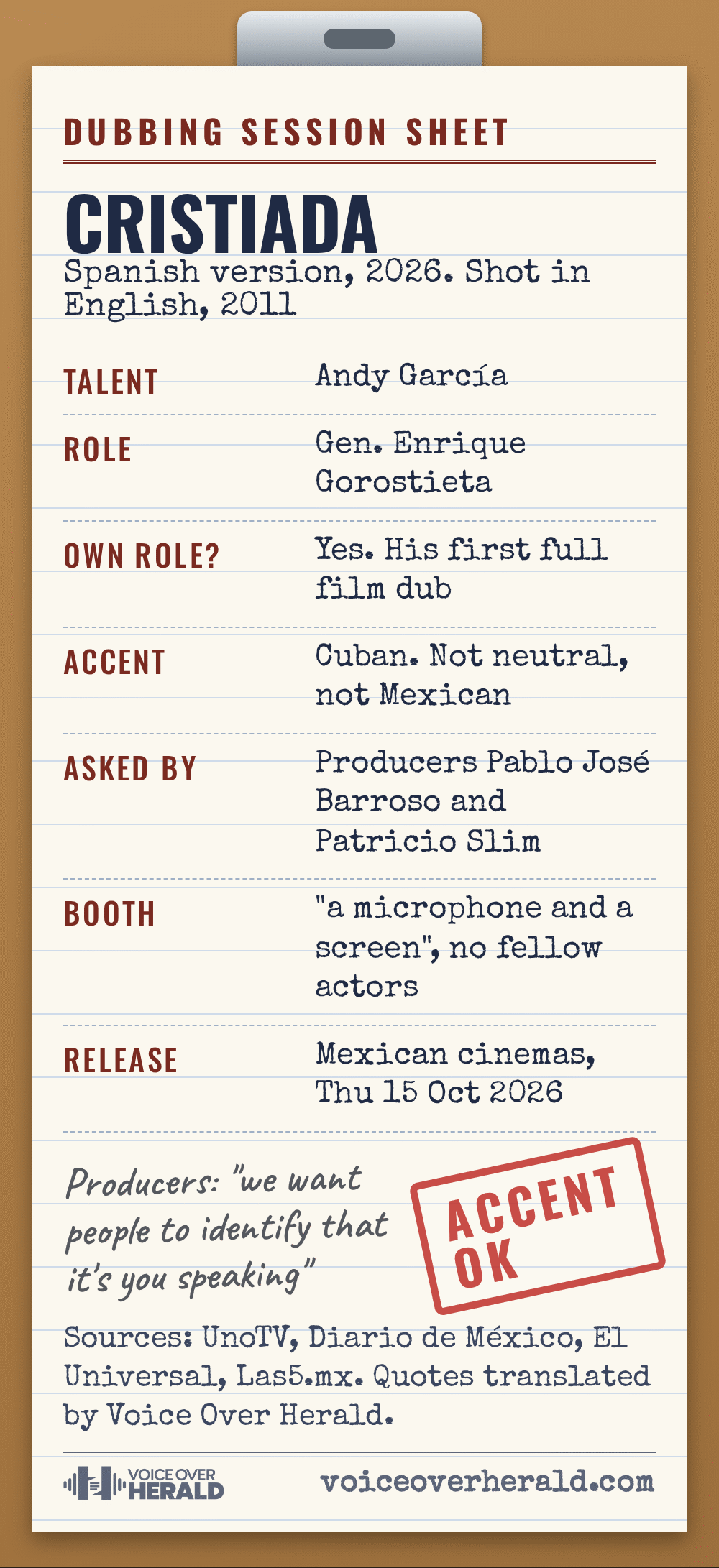
Cristiada was shot in English in 2012. Fourteen years later it’s back in Mexican cinemas in Spanish, and the voice coming out of General Enrique Gorostieta is Andy García’s own. It’s the first time he has dubbed a whole film, and he kept his Cuban accent to do it.
 VoiceEditSuiteA director's notes on every take.Upload a take and Performance Coach scores delivery, energy, pacing, character and authenticity, with timestamped notes on what to fix next.See how it worksYour recordings are never used to train AI.
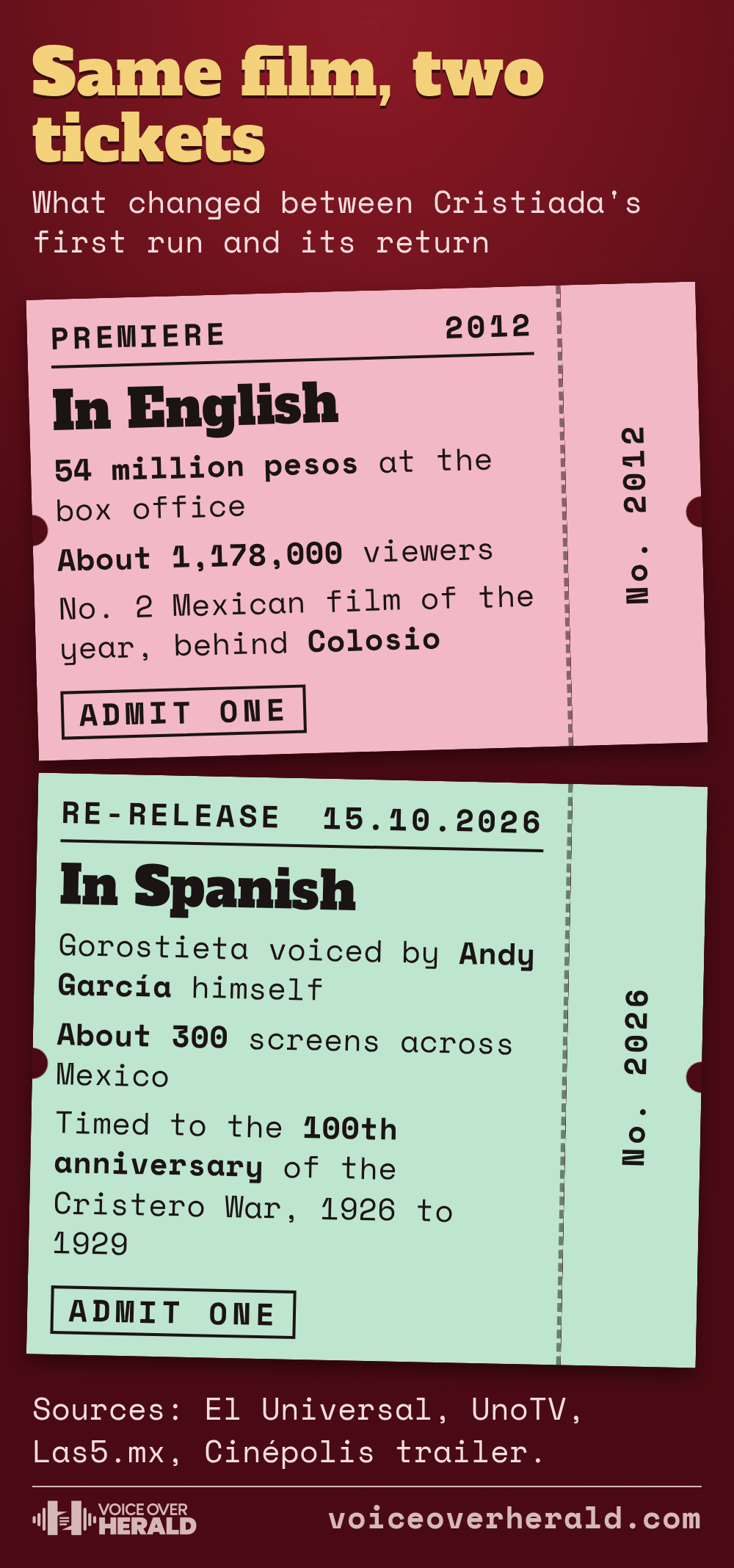
Mexican cinemas have a period epic on their screens again this weekend. Cristiada, the 2012 drama about the Cristero War that English-speaking audiences know as For Greater Glory, returned to theaters across Mexico on Thursday, October 15, in a new Spanish-language version.
The selling point is printed right on the trailer. Cinépolis released it with a title card that reads “Voz original de Andy García”, the star’s own voice, followed by another that promises the film “por primera vez en español”, in Spanish for the first time. García, who plays the retired general who ends up leading the Cristero fighters, recorded his role himself.
That’s a rare thing for a Hollywood actor. Stars are nearly always dubbed into Spanish by local voice actors, and García says that’s how it has always gone for him too.
“It was always dubbed by someone local”
“I’ve never dubbed a film in Spanish, it was always dubbed by someone local, another actor,” García told Diario de México. Producers Pablo José Barroso and Patricio Slim pushed him to take the job on, the paper reports.
He wasn’t sure at first. García told Excélsior that when the request came, his answer was “I’ve never dubbed my character, it has always been a Mexican actor.”
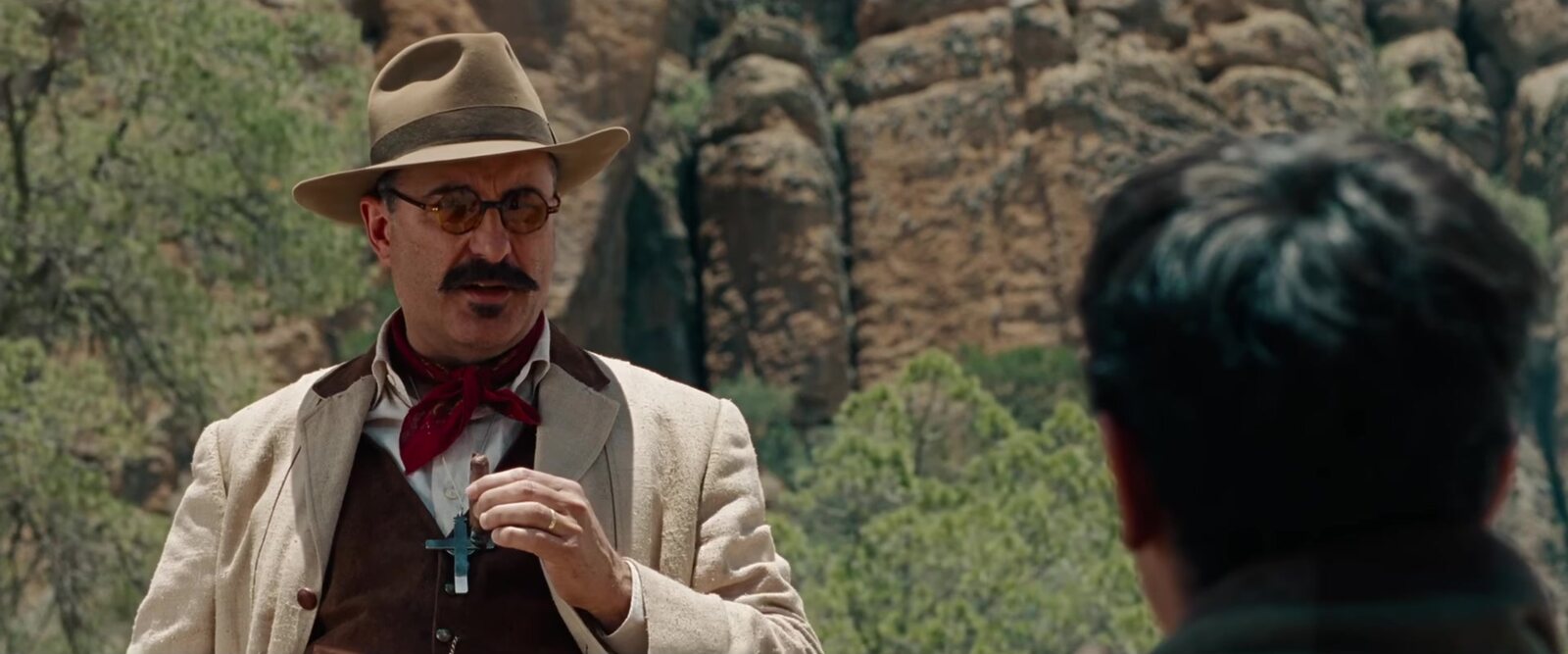
Image: Cinépolis trailer, Cristiada
The reply he says he got back was simple. “Yes, we know, but we want it to be your voice because your work in the film is very personal.” So he agreed. “Okay, let’s try it. I support the film because I respect it and love it very much.”
In Hermosillo, where the new version was shown to an audience on October 3, the promoter Pablo Mier y Terán told El Imparcial that García “is a total professional, he’s a Cuban exile and he agreed to dub the film into Spanish.” He added that “it’s the only Spanish dub he has done in his whole life.”
A Cuban accent on a Mexican general
Gorostieta was Mexican. García was born in Havana, and he made sure nobody was surprised by how he would sound.
“I’m Cuban, I know I still have my Cubanness in my accent,” he told UnoTV. The producers didn’t mind. In García’s telling, they said: “It doesn’t matter, we want people to identify that it’s you speaking.”
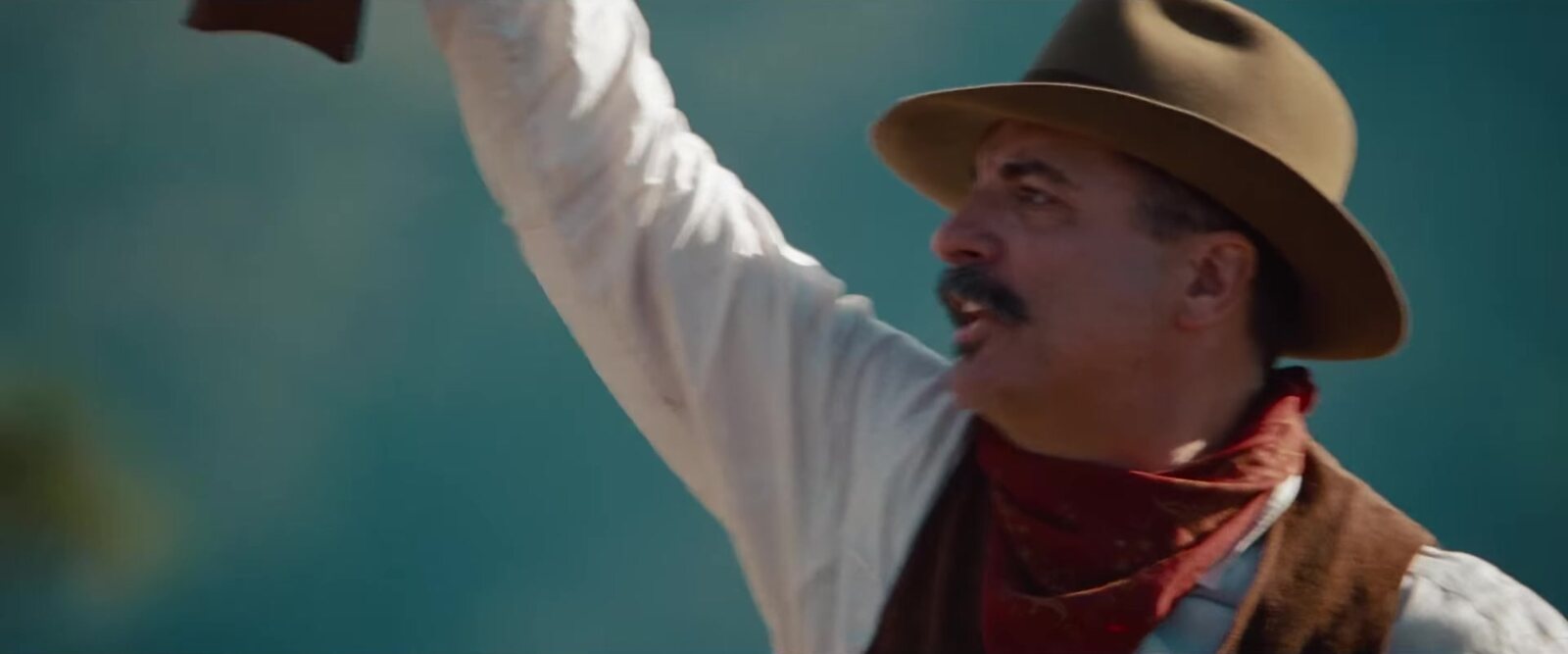
Image: Cinépolis trailer, Cristiada
“That’s what I committed to doing,” he said.
It’s a striking call for anyone who works in Latin American dubbing. The usual aim for a film released across the region is a neutral accent that doesn’t place a character in any one country. Here the producers went the other way and kept an accent audiences can hear, because the point of the version is that you’re hearing the actor who played the part.
“A completely artificial world”
García also spoke about what the work felt like. Dubbing your own performance years after you filmed it is its own strange craft, and he didn’t pretend otherwise.
“Now doing the dub was something strange, one tries to get back into the character in an organic and real way,” he told El Universal, “but in a completely artificial world.”
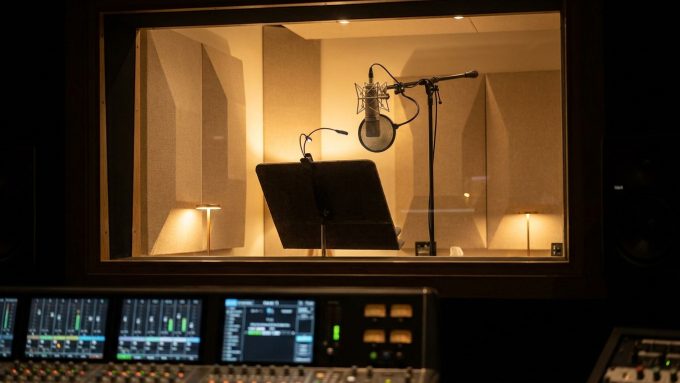
Any voice actor will recognise the next part. “You walk into a room with a microphone and a screen and not with fellow actors,” he said. On set in 2011 he had a full cast around him, including Peter O’Toole, Oscar Isaac, Eva Longoria, Rubén Blades and Eduardo Verástegui. In the booth he had a picture to match and his own mouth movements from more than a decade earlier.
He thinks the trouble is worth it. “But it will come out and I think that way it will reach more people,” he said.
Why it might reach more people is no mystery. A film that first played in English is now one that audiences can watch without reading a line of subtitles.
Why now: the Cristero War turns 100
The timing is deliberate. The re-release lands on the centenary of the start of the Cristero War, the 1926 to 1929 conflict between the Mexican government and Catholic rebels over restrictions on religious practice, which the film dramatises.
Cristiada did well the first time around. El Universal reports it took 54 million pesos in 2012, second among Mexican films that year behind Colosio, and it’s returning on about 300 screens.
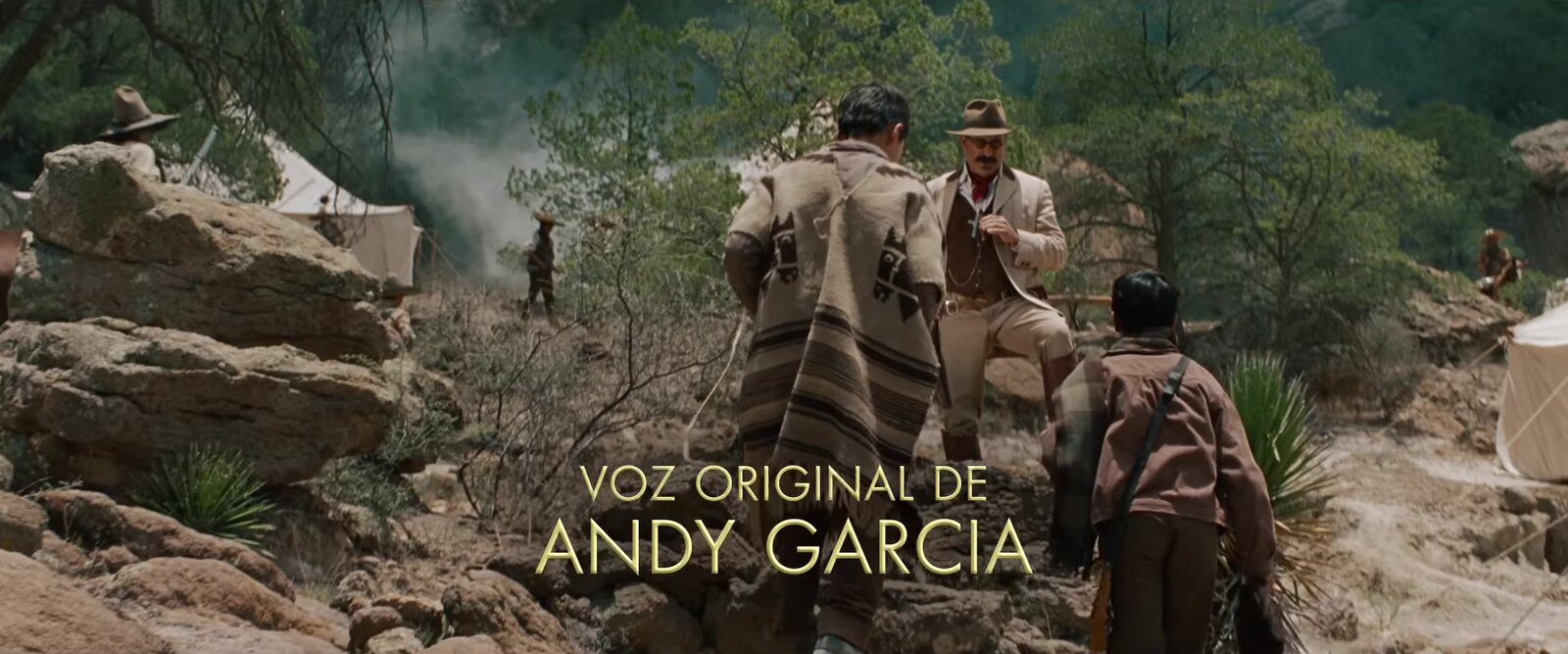
Image: Cinépolis trailer, Cristiada. The card reads "Andy García's original voice"
García said the story still matters. “It’s important to remember the errors of history that were committed, so as not to repeat them,” he told UnoTV, calling the film a “beautiful film” and adding: “You have to be very proud of Mexican cinema.”
He also told Excélsior, with some satisfaction, “And here we are, still talking about the film many years later.”
What it means for dubbing
For Mexico’s dubbing industry, this one isn’t a lost job. The trailer bills the version as the film’s first time in Spanish, so García isn’t replacing an earlier local performance of Gorostieta. He’s filling a version that didn’t exist.
It does show where the value sits for a producer bringing back a star vehicle. When the star speaks the language, his own voice is the draw, accent and all, and the producers were happy to put that on the poster.
- A first for García. Promoters and press agree it’s the only time he has dubbed a whole film into Spanish.
- The accent stays. He told the producers he’d sound Cuban, and they wanted it that way.
- No one was replaced. The trailer bills this as the film’s first run in Spanish.
The rest of the Spanish cast hasn’t been listed in the coverage so far. El Imparcial names García and Verástegui among the voices in the new version, but doesn’t say who dubbed whom, and the distributor hasn’t published a dubbing credit list. We’ll add it when they do.
For now there’s one more name on a short list: screen actors who have gone back into the booth to dub themselves into another language. García says it’s the only time he’s done it. On the evidence of his own words, he walked in unsure and came out convinced.
Sources: Diario de México, Excélsior, UnoTV, El Imparcial, El Universal, Las5.mx, the Cinépolis trailer for the Spanish version. Quotations from Spanish-language sources are translated by Voice Over Herald. Hero image: Cinépolis trailer, Cristiada.
Lee este artículo en español: Andy García se dobla a sí mismo al español por primera vez. Cristiada vuelve a los cines de México 14 años después
Know something about this story, or spotted an error? Tell the newsroom.