

SAG-AFTRA’s Animation Vote Closes Thursday. The Deal Says Your AI Replica Can’t Dub You Into Another Language Unless You Say Yes
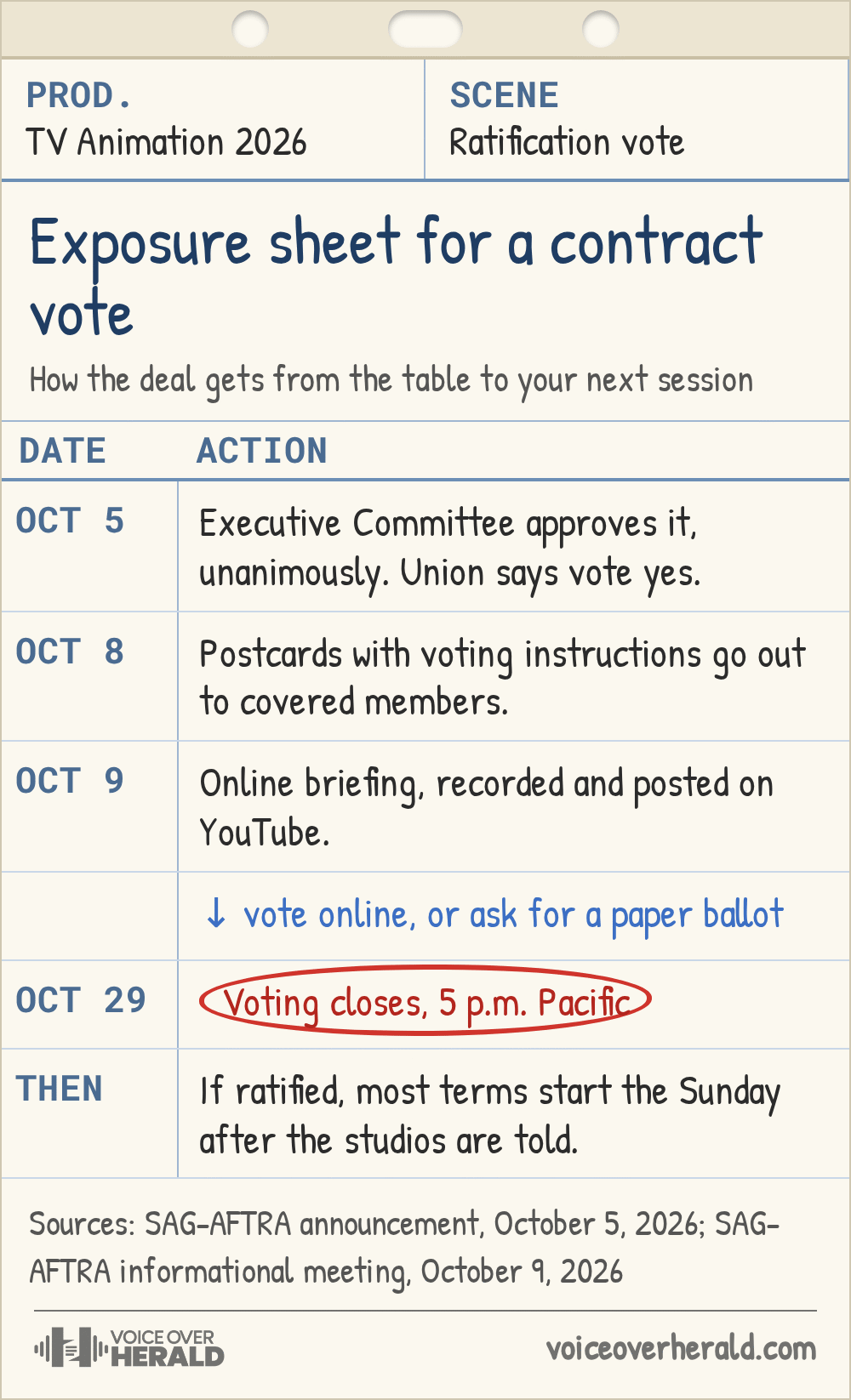
Voice actors working under SAG-AFTRA’s television animation contract have until 5 p.m. Pacific on Thursday, October 29, to vote on a new four-year deal. It raises minimum pay 3% a year and brings over every voice-related AI gain from this year’s live-action contract. The one many will notice first: a studio would need a performer’s consent before using a digital replica to dub that performance into another language.
The union’s Executive Committee approved the tentative agreement unanimously on October 5, and SAG-AFTRA recommends a yes vote. Members covered by the contract were mailed postcards with voting instructions on October 8, and the union held an online information meeting the next day. It posted the recording on its YouTube channel, and it’s the clearest public account of what the deal actually changes.
Co-chair Bob Bergen, the voice of Porky Pig since 1990, made the case for why it matters. “I’ve served on this committee since the early 1990s and have co-chaired since 2010. TV Animation is one of the few voiceover contracts that has stayed mostly union,” Bergen said in the union’s announcement. “We are a mighty bunch, and some of the most employed actors in SAG-AFTRA.”
Your replica can’t speak Spanish without you
Under the last contract, a producer could take a voice actor’s digital replica and use it to dub the performance into a foreign language without asking again. Jessica Johnson, who walked members through the terms at the meeting and introduced herself as SAG-AFTRA’s deputy chief contracts officer, said that’s been reversed. “You would have to specifically consent to the use of your digital replica to dub your performance into another language,” Johnson said. Residuals that already applied when a replica carried a performance into a foreign version still apply.
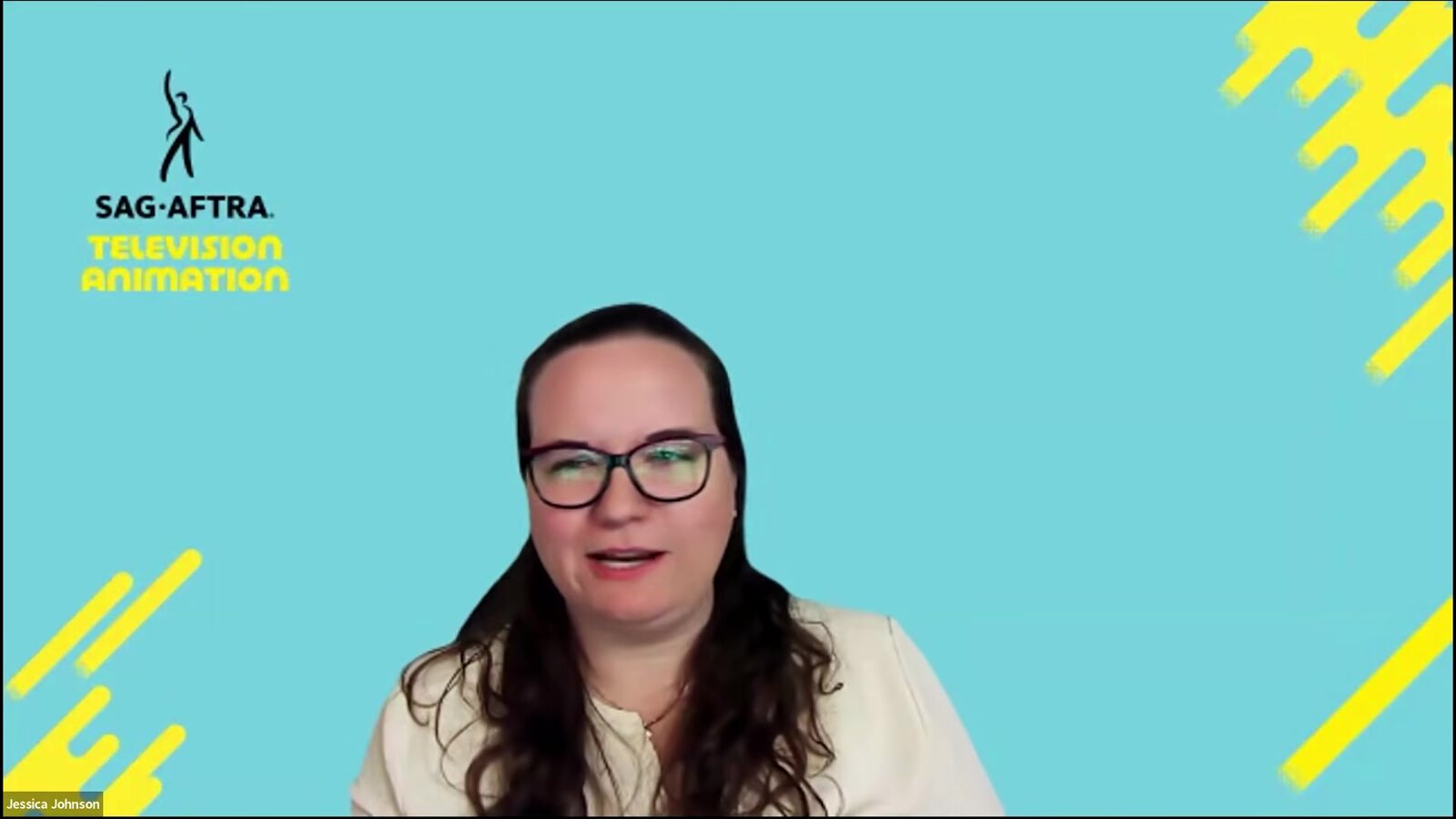
Jessica Johnson opens the union's online briefing on October 9. Image: SAG-AFTRA
The timing is pointed. This week two AI companies launched tools built to make one voice speak dozens of languages, and Voice Over Herald looks at what those launches mean for working voice actors.
Johnson said the animation contract keeps the stronger AI terms it won in 2023 and adds everything from the live-action deal that applies to voice work. That includes “no scan” replicas: a producer doesn’t need a special session to build a digital copy of a voice, because the ordinary recording can be enough, and a replica made that way is still protected. A replica built without the actor’s session, which the contract calls an independently created digital replica, now carries a minimum payment of a session fee plus residuals, where before the money was left to bargaining.
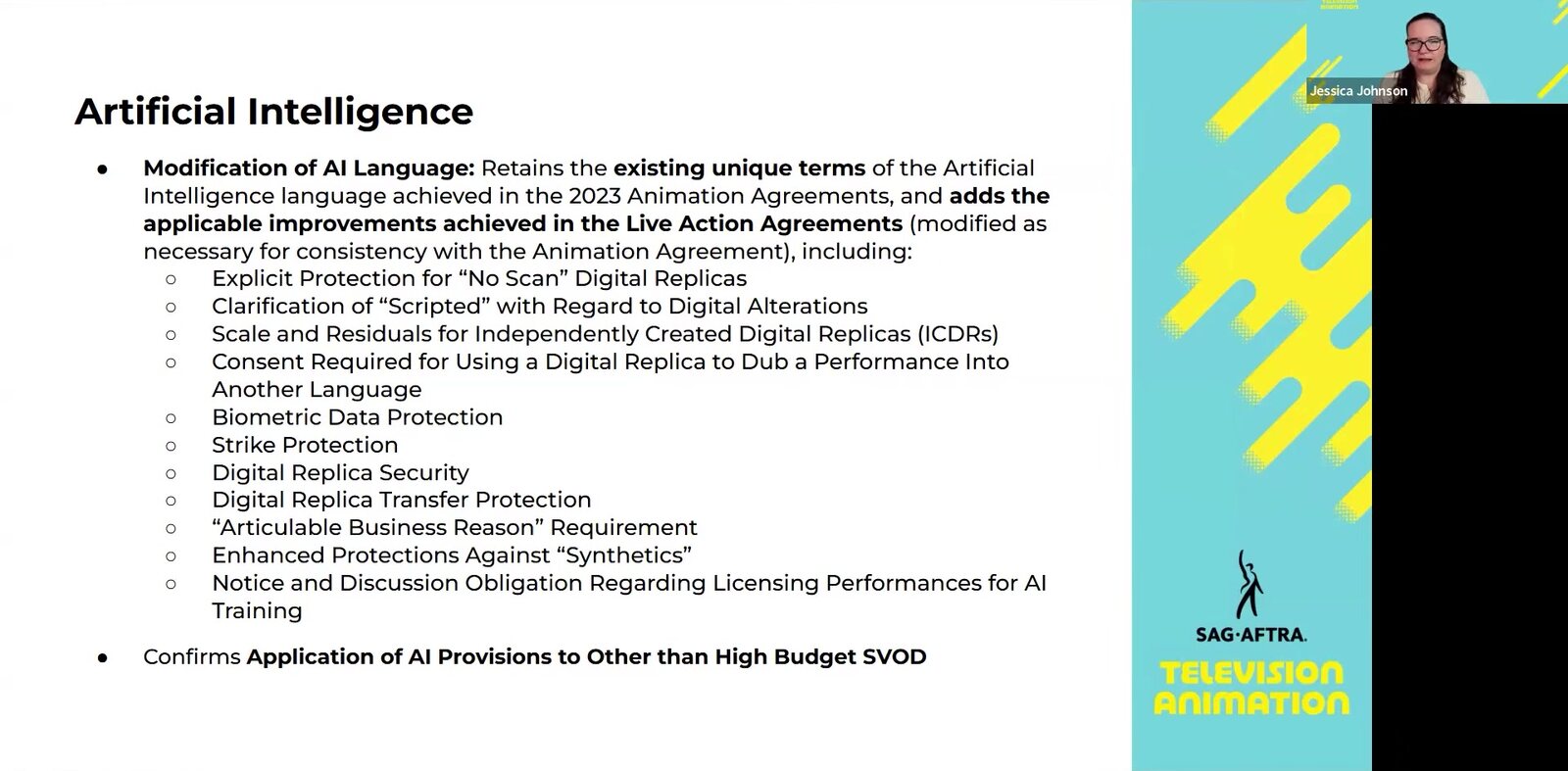
The union's slide on the AI terms, from the October 9 briefing. Image: SAG-AFTRA
Synthetics have to earn the job
The deal also tightens the rules on synthetics, the contract’s word for AI voices that aren’t copies of a real performer. According to Johnson, producers agreed they’ll keep using human voice actors for work covered by the contract and don’t intend to use a synthetic in a role a human would otherwise play unless it brings “significant additional value.” A replica of a real actor counts as human performance for that test, so a studio would have to show the synthetic beats both the live actor and that actor’s own replica.
 VoiceEditSuiteThe real cost of a script change.Paste the recorded script and the client's new version. Revision Checker finds every change, counts the words you'll actually re-record and maps it to a fee.See how it worksYour recordings are never used to train AI.
If a producer breaks those rules, the union can take it to arbitration, and damages aren’t capped at what the human would have been paid. Producers “really don’t like spending money,” Johnson told members, and the open-ended damages give studios a strong reason to stay on the right side of the line. A replica also can’t be used during a strike where consent is needed. Johnson’s version: “Your digital replica can’t be forced to scab for you.”
There’s a training clause too. If a producer licenses performances to an outside company to train a public, commercial generative AI system, it has to notify the union and meet to discuss the licence, including any payment to performers.
The money in the deal
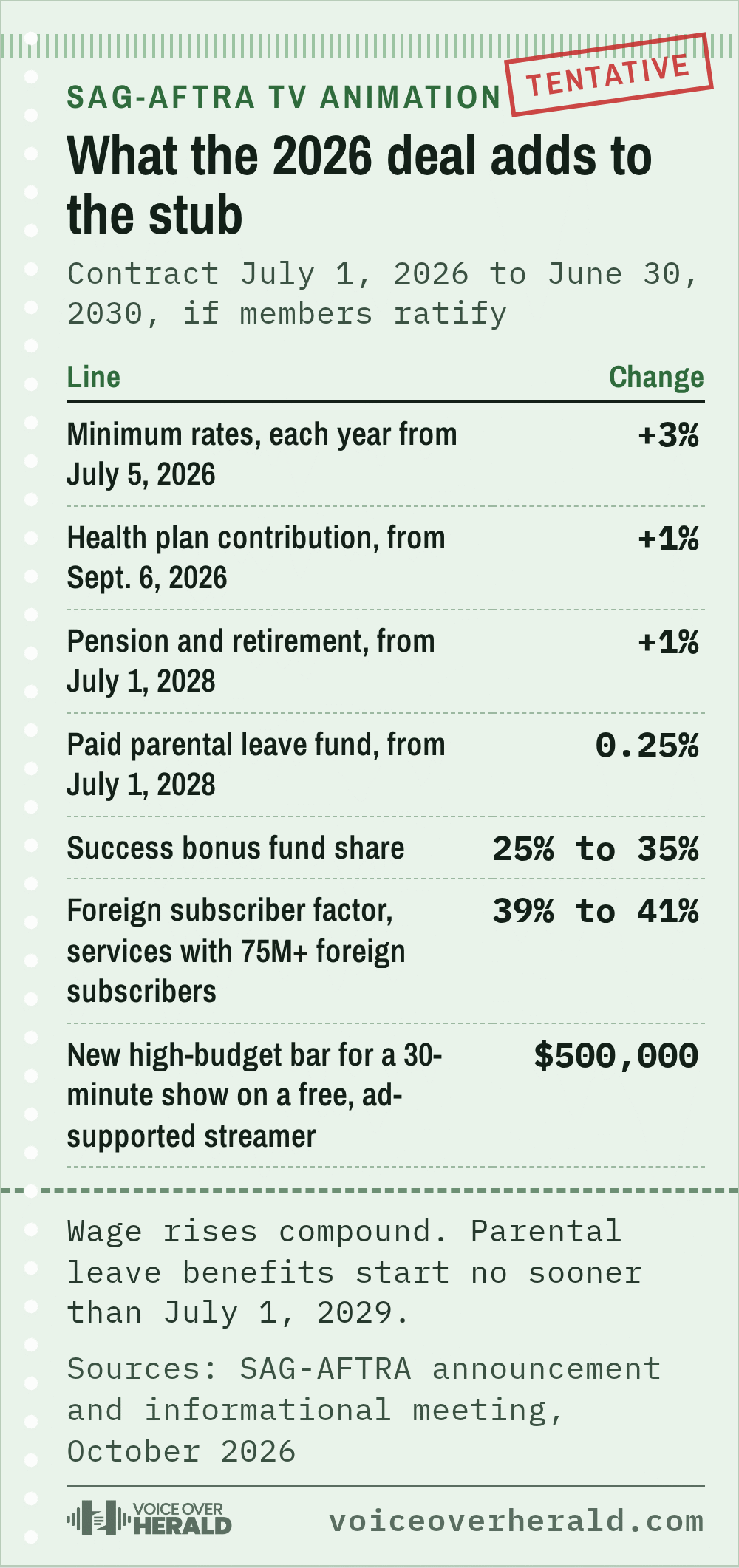
Minimum rates rise 3% a year, compounded, with the first increase backdated to July 5, 2026. The contract runs from July 1, 2026, to June 30, 2030. Health plan contributions go up 1%, also backdated, to September 6. A further 1% goes to pension and retirement plans from July 1, 2028, if conditions set in the live-action deal are met, and a 0.25% producer contribution starts a paid parental leave fund the same day.
Residuals get several changes. When a show moves over to a subscription streamer, the formula is fixed so voice actors get an average 5% more and the benefit plans receive their full share, even when a performer has already hit the contribution caps. The success bonus fund’s share rises from 25% to 35%. For animated films of 85 minutes or more, with budgets of $30 million or more and made for streamers with 20 million or more subscribers in the US, more of a voice actor’s pay now counts toward residuals. On foreign streaming services with 75 million or more foreign subscribers, the subscriber factor rises from 39% to 41%.
There’s a new category for free, ad-supported platforms. A 30-minute animated show made for one of those services needs a budget of just $500,000 to count as high budget, compared with $1.3 million for live action, according to the union’s slides. Shows that qualify get terms that are largely identical to the television animation contract.
What the negotiators say they didn’t give up
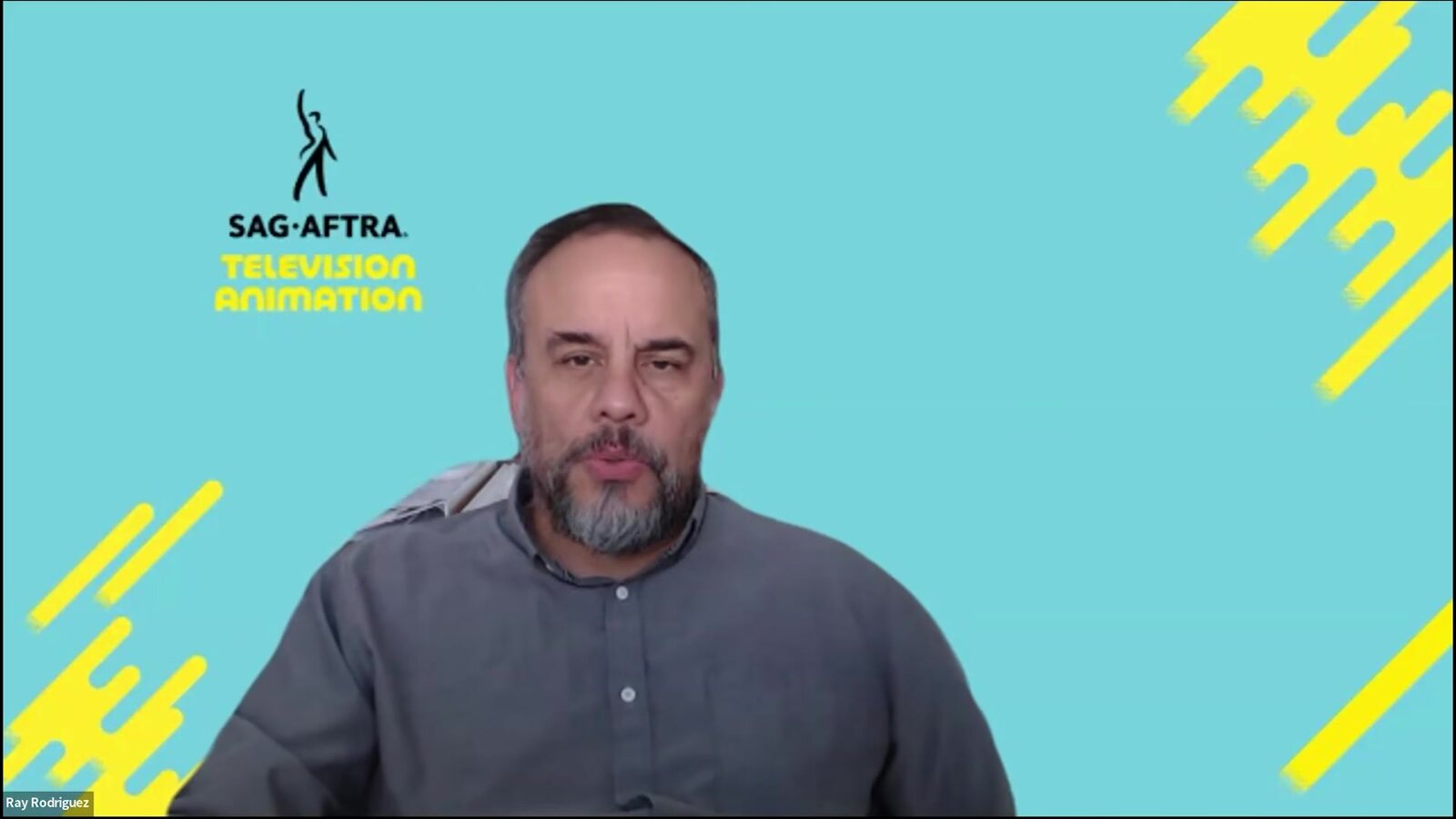
Ray Rodriguez, SAG-AFTRA’s chief contracts officer and lead negotiator, kept the welcome at the meeting short. “We made an excellent live-action deal, and we’ve captured all of those gains,” Rodriguez said. “We also agreed to none of the AMPTP’s proposals in this negotiation, so there were no management achievements in this negotiation, which is always good news.” In the union’s written announcement Rodriguez listed the goals as “wages, AI protections, better residuals, and contributions to the health and pension plans,” and added: “This agreement delivers in all those areas.”
Co-chair David Jolliffe said the union has kept animation as its own negotiation, separate from the big film and TV talks. That, Jolliffe told members, keeps animation voice actors “out of the large bargaining sessions where we could get lost.” In the written release Jolliffe said member input “guided every step of the process.”
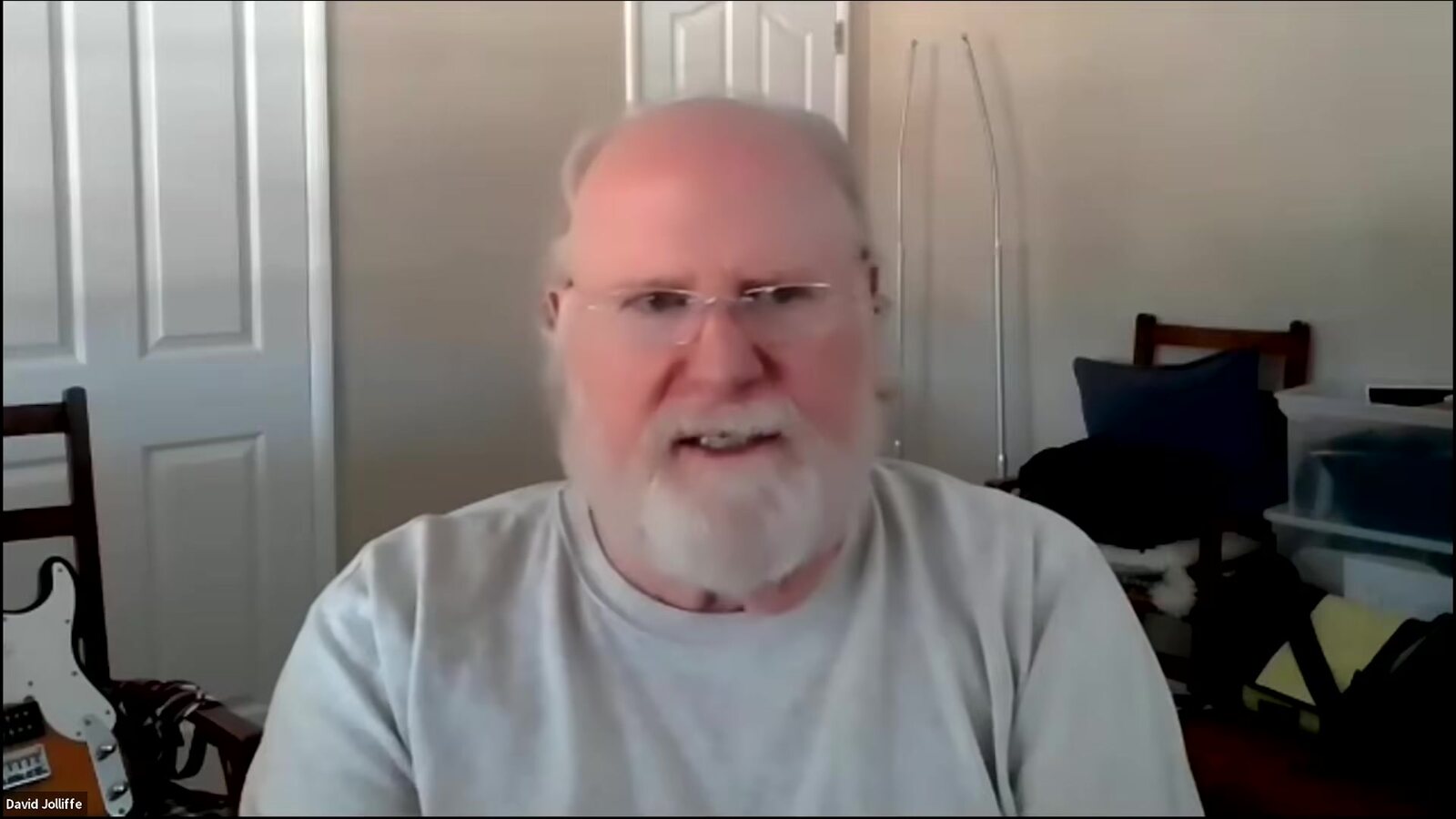
Co-chair David Jolliffe at the October 9 briefing. Image: SAG-AFTRA
Duncan Crabtree-Ireland, the union’s national executive director and chief negotiator, said in the announcement that the deal “empowers the animation voiceover community with many of the same wins from our live action agreement and then some.”
Late residuals and the vote
Late residual payments came up again too. Johnson said the union “always” hears about them. The studios renewed a side letter promising to pay on time and to meet the union producer by producer, and the AMPTP will send a bulletin telling its member companies to review their residual practices and answer promptly when an actor or the union flags a missing payment.
Voting is online, with paper ballots available on request, and closes Thursday at 5 p.m. Pacific. If members ratify, most terms take effect the Sunday after the AMPTP is notified. The union’s full details are at sagaftra.org/tvanimation2026, and the recorded briefing is below.
Sources: SAG-AFTRA announcement, October 5, 2026 (as published by First Comics News); SAG-AFTRA, TV Animation Agreements Informational Meeting, recorded October 9, 2026, on the union’s YouTube channel (quotations transcribed by Voice Over Herald); Cartoon Brew; Wikipedia (Bob Bergen). Images: SAG-AFTRA.
Lee este artículo en español: La votación de animación de SAG-AFTRA cierra el jueves. El acuerdo dice que tu réplica de IA no puede doblarte a otro idioma sin tu sí
Know something about this story, or spotted an error? Tell the newsroom.