


Royal Mail’s Christmas Voice Was Made by AI. A Late BBC Narrator’s Daughter Says It Was Her Dad
Royal Mail’s 2025 Christmas ads closed on a warm, very English narrator. The voice was made by AI, and nobody said so. Now the daughter of Paul Vaughan, the late voice of BBC’s Horizon and the Paddington audiobooks, says she heard her father, 11 years after his death. A forensic speech scientist found “considerable phonetic similarity”.
Lucy Wynne was half watching TV at home in Buckinghamshire one evening in November 2025 when a Royal Mail ad came on ITV. The closing line, “Royal Mail, it’s so much more than just a card,” stopped her cold. She turned to her husband and told him it was her dad. “Did you hear that?” she asked. He told her not to be silly. She was sure.
Her father, Paul Vaughan, died in November 2014. He never recorded for Royal Mail. Wynne feared someone had rebuilt his voice without asking anyone, and she took the story to Deadline, which published it on Friday after putting questions to the postal service, its ad makers and the AI companies behind the voice.
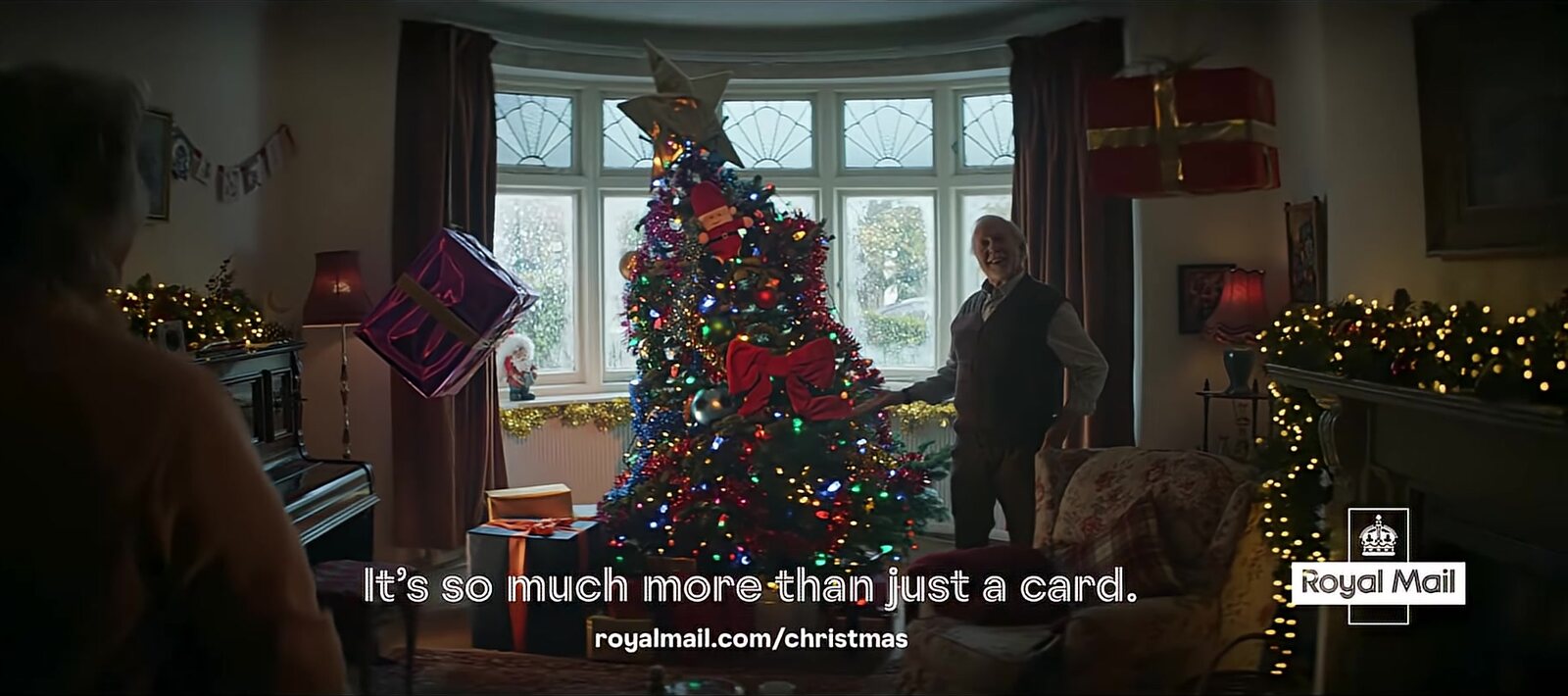
The closing card of Royal Mail's 2025 Christmas ad, where the AI narrator speaks. Image: Royal Mail
Royal Mail has now admitted to Deadline that the narrator wasn’t a person at all. A spokesperson said using AI this way is “increasingly common.” It didn’t tell viewers at the time.
The voice of Horizon, Threads and Paddington
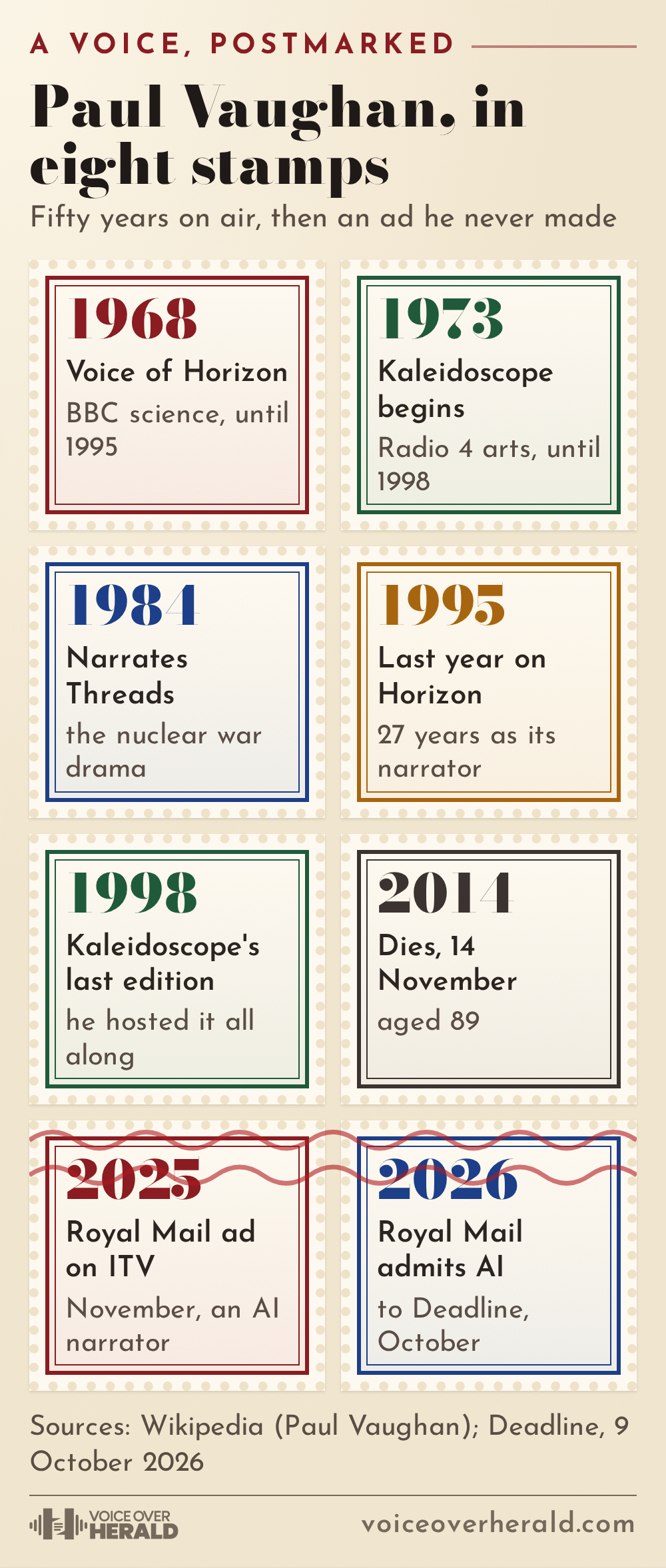
For a generation of British listeners, Vaughan’s voice was simply what serious television sounded like. He was the main narrator of the BBC’s science series Horizon from 1968 until 1995. He presented Radio 4’s arts programme Kaleidoscope from its first edition in 1973 to its last in 1998. He narrated Threads, the 1984 nuclear war drama that Deadline says was burned into the brains of a generation of Brits.
He was a commercial voice too. When the phone network Orange launched in Britain, it was Vaughan who said “The future’s bright, the future’s Orange” over its ads for years. He voiced Tesco and Colgate spots, and the Paddington audiobooks. A Daily Telegraph obituary, quoted by Deadline, put it this way: “When God speaks, he uses Paul Vaughan’s voice.”
That long, public catalogue is part of the problem. Hours of clean, professional Vaughan recordings are out in the world, the kind of material AI voice models learn from. And his warm, authoritative delivery is exactly the sound a brand reaches for when it wants to seem trustworthy at Christmas.
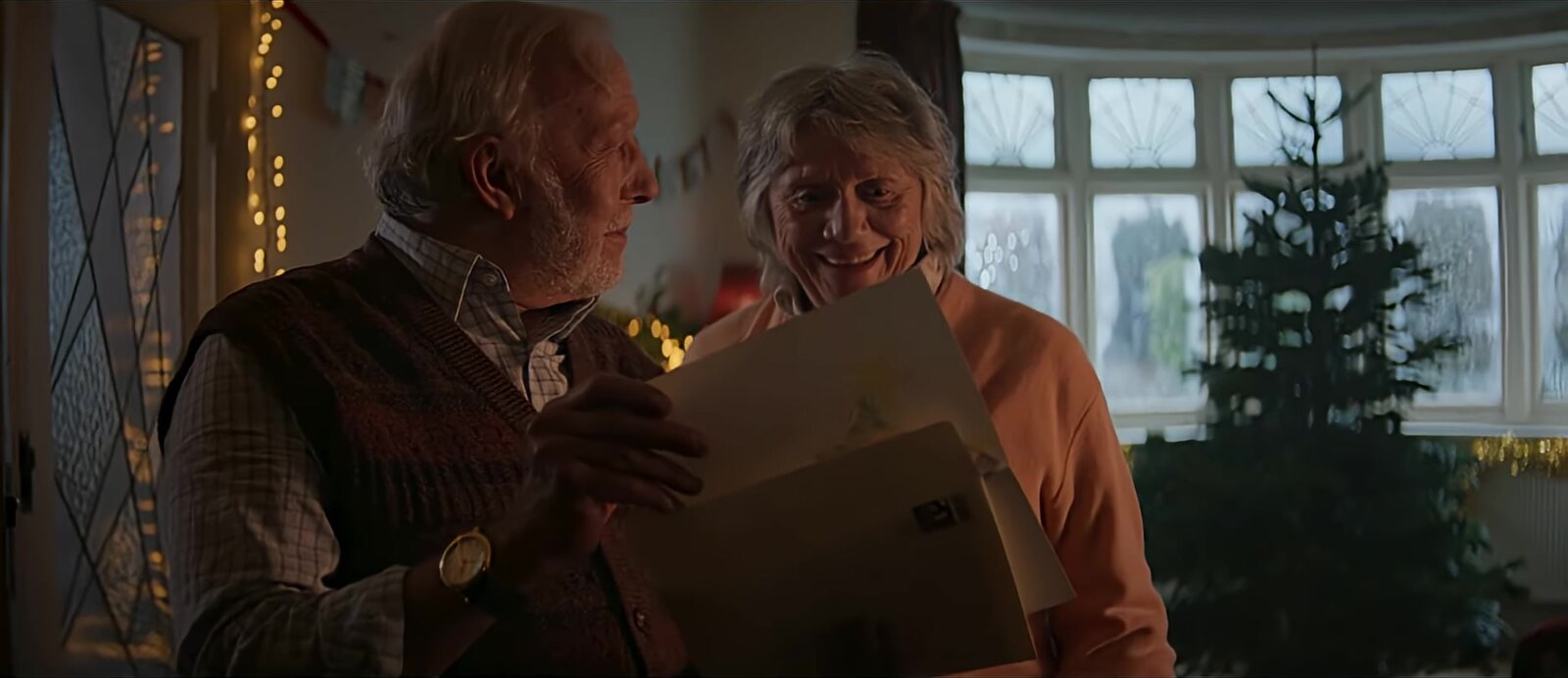
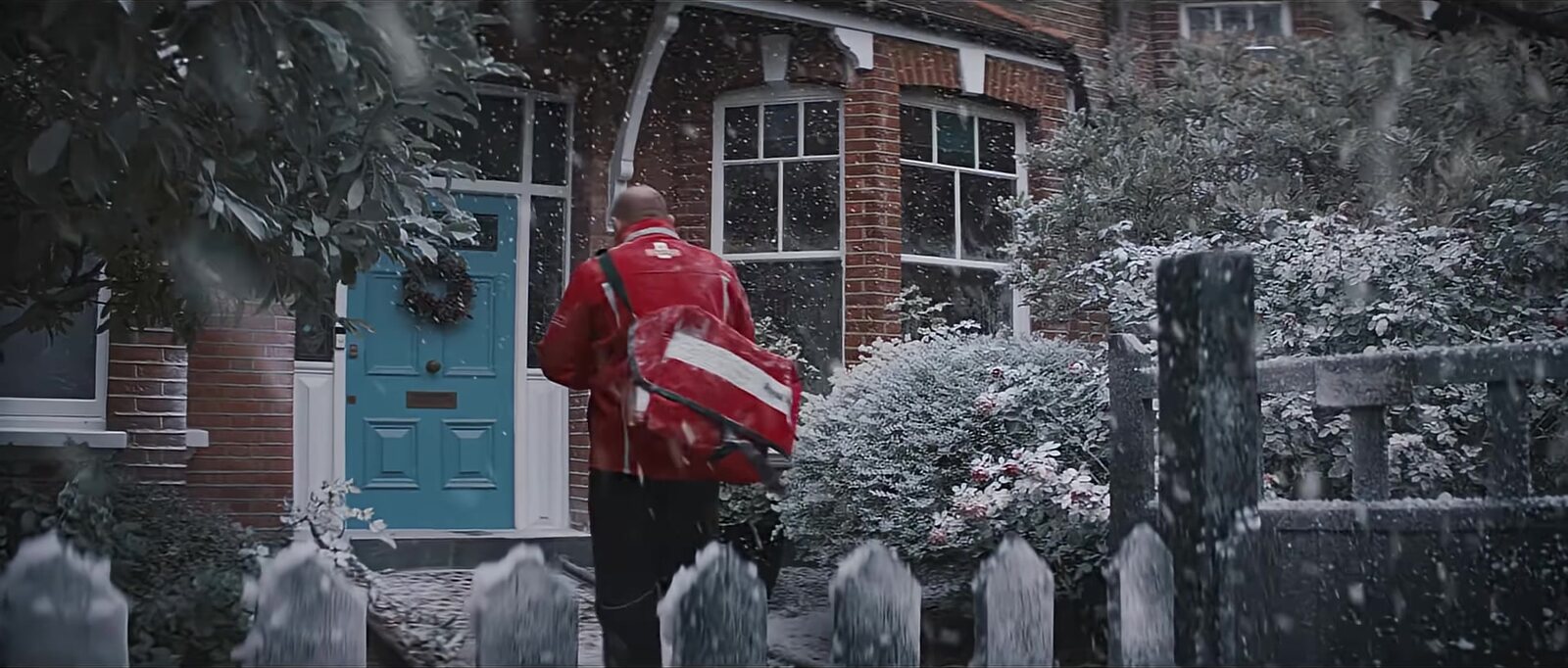
The campaign sold warmth and human connection. Image: Royal Mail
Who actually made the voice
The “so much more than just a card” campaign was run by the ad agency Darwin & the Machines. Untold Studios filmed the little stories in the ads with real actors in the UK. The closing voiceover went somewhere else: it was subcontracted to Fameplay, an AI company based in Czechia.
Fameplay is backed by Czech Media Invest, which is chaired by Daniel Křetínský. Křetínský’s EP Group also owns Royal Mail. A UK source who worked on the advert told Deadline that Fameplay’s Juraj Felix was on set and keen on the technology. “He was obsessed with AI voiceover,” the source said, adding that the production team had warned it wasn’t a great idea for such an old British brand.
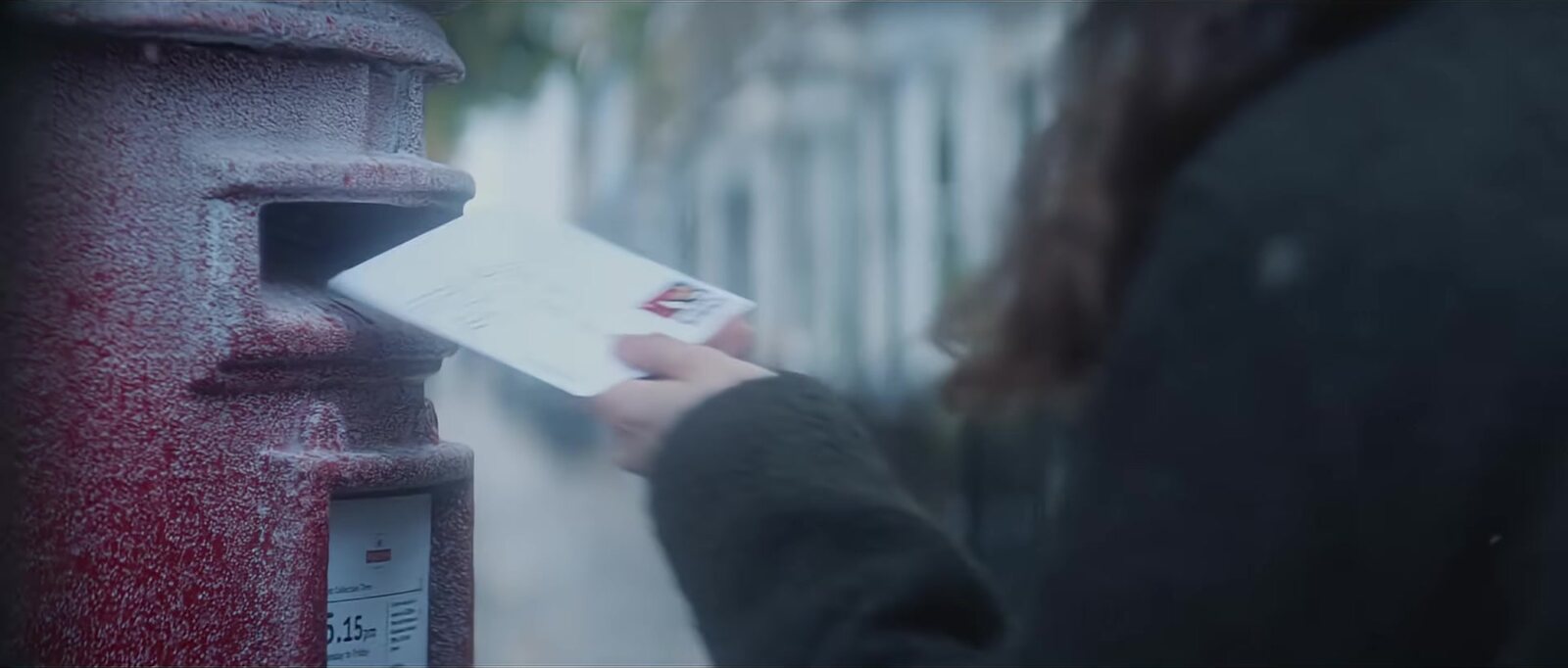
Untold Studios filmed the ads' scenes with real actors. Only the narrator was made by AI. Image: Royal Mail
Deadline found that Fameplay licensed its technology from ElevenLabs. Fameplay said it never used Vaughan’s name or recordings in its prompts. ElevenLabs would only confirm the ad wasn’t a direct clone of Vaughan’s voice. Asked whether its model might have been trained on recordings he made, so that an ordinary prompt could land on something close to him, the company declined to comment.
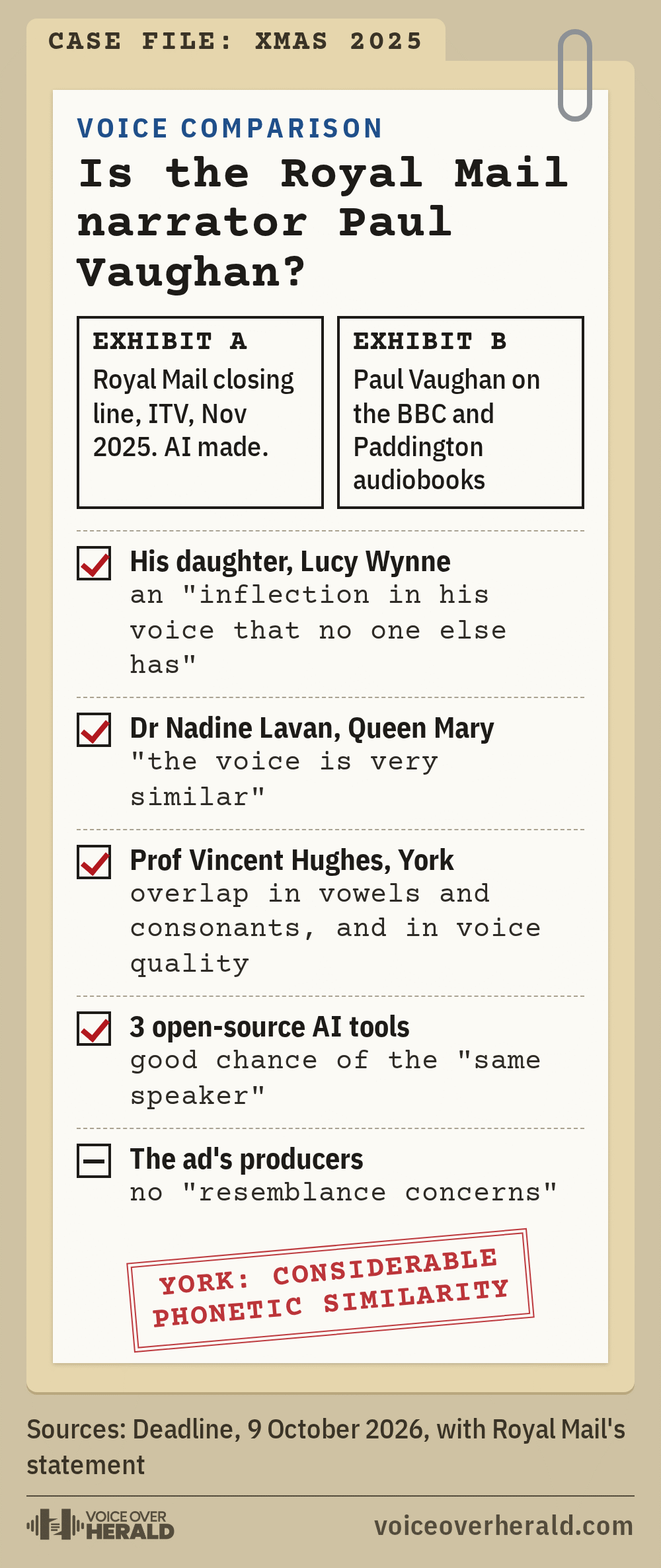
Royal Mail’s line is that the voice was “not designed to replicate any specific individual,” and that the producers “carried out checks and advised that these did not identify any resemblance concerns.”
What the experts heard
Wynne’s ear has science on its side. Dr Nadine Lavan, a voice psychology expert at Queen Mary University of London, told Deadline that her research shows family members are very good at recognising the voice of someone they love. “With Wynne recognizing the voice from the advert as being Paul, we can conclude the voice is very similar,” she said.
Vincent Hughes, professor of forensic speech science at the University of York, compared the ad with real Vaughan recordings. The Royal Mail line is short, which limited what he could do, but he found “considerable phonetic similarity” in two places: the way consonants and vowels are pronounced, and the overall quality of the voice, what most of us would call its timbre.
Deadline also ran the clips through three open-source AI analysis tools. All three gave a good chance that the ad’s voice and Vaughan’s were the “same speaker.”
“Pay the money”
Wynne’s anger is less about the sound than about what nobody checked. “It’s outrageous,” she told Deadline. “He could have died two weeks ago, for all they knew. He could have been in the care home for the past 10 years, slowly losing his capacity for speech, and then all of a sudden, he’s on the bloody telly.”
She says her father would have hated the idea of a machine taking work from voiceover artists. Her advice to Royal Mail fits in one sentence: “Pay the money and get somebody in to do the job.”
She hasn’t had an apology. Royal Mail told Deadline: “We understand the concerns raised and have taken them seriously.” ElevenLabs has since added Vaughan to its No Go Voices list, which means his voice can’t be directly cloned on its platform from now on.
Peter Caulfield, the actor who founded the Save Our Voices Now campaign, said Vaughan’s skill and delivery would have made him a perfect pick for the ad, so it’s no surprise a machine asked for that kind of voice came up with something close. The risk, he said, is “causing great upset to the family involved.”
What it means if you voice ads
The closing tag on a national Christmas campaign is the kind of job voice actors chase: heard in every ad break, all season long. Here it went to a voice that wasn’t anyone, and the brand didn’t feel the need to say so. If you’ve spent years recording ads, that should sting twice.
 VoiceEditSuiteClean a session in ninety seconds, not three hours.
The first sting is the lost job. The second is the sound-alike problem. Most of the fight over AI voices so far has been about cloning: someone feeds in your recordings and gets your voice back. This case is harder. Nobody admits to using Vaughan’s recordings, the company behind the model won’t say what it trained on, and the result still sounds enough like him for his own daughter and a forensic scientist to hear him. Consent rules built around “don’t clone this person” don’t obviously catch that.
It also shows how little a brand’s own checks may mean. Royal Mail relied on its producers saying they found no resemblance. A family member found one on first hearing. For living actors, a sound-alike can undercut your rate in your own market. For the families of those who’ve died, as Wynne put it, it can mean hearing a parent you’ve already lost turn up in an ad break.
For now, the tools working actors have are the ones they had before this story broke: contract terms that limit how recordings can be used, union protections where they apply, and asking clients straight out whether a project plans to use synthetic voices. It’s worth asking at the audition, not after the ad airs.
Sources: Deadline (Jake Kanter, 9 October 2026, read via its Yahoo Entertainment syndication), including statements from Royal Mail, Fameplay and ElevenLabs and comments from Lucy Wynne, Dr Nadine Lavan, Professor Vincent Hughes and Peter Caulfield; Paul Vaughan’s career dates from Wikipedia; Royal Mail’s “It’s so much more than just a card” ads on its official YouTube channel (24 November 2025). Images: Royal Mail (frames from its official 2025 Christmas ads).
Lee este artículo en español: La voz navideña de Royal Mail la hizo una IA. La hija de un narrador de la BBC dice que era su papá
Know something about this story, or spotted an error? Tell the newsroom.