


Piccolo’s Latin American Voice Says Dubbing Pros Get a Tenth of a Star Talent’s Pay, and a Contract That Keeps Them Quiet
Carlos Segundo, the Latin American voice of Piccolo, says dubbing professionals get about 10% of what a star talent is paid for the same kind of job, and that their contracts stop them from even mentioning it. He isn’t asking studios to ban celebrities. He’s asking why the rules are different.
Segundo made the comparison in an interview with the Mexican newspaper El Universal that other outlets picked up from Friday and were still running on Monday. “The fees, the payment that star talents receive for doing their work: we get 10%, let’s say, of what they get,” he said, as carried by El Informador. “That’s what I don’t like.”
“Star talent” is what Mexico’s industry calls a celebrity or influencer hired to dub a film, usually an animated one and usually with a marketing job attached. Segundo has been on the other side of that line for decades, as Piccolo in Dragon Ball, Severus Snape in Harry Potter and a long list of villains.
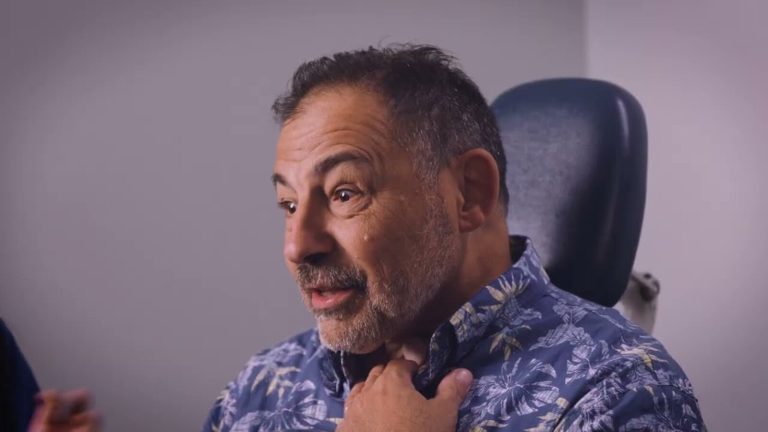
Hear the voice: Carlos Segundo opens as King Piccolo, then talks about playing him. Video: El Retake con Luis Carreño, on YouTube
The pay gap, and the silence that goes with it
His sharpest complaint isn’t the money. “The only thing that bothers me about hiring a star talent is that they’re given perks that we dubbing actors aren’t given,” he told the paper. “They’re allowed to talk about the project, and by contract we’re not.”
Think about what that does to a career. The influencer’s post about recording the film builds the following that gets them the next film. The professional in the next booth signs a confidentiality clause, records in a couple of hours, and goes home with nothing to show anyone until the credits roll, if there are credits.
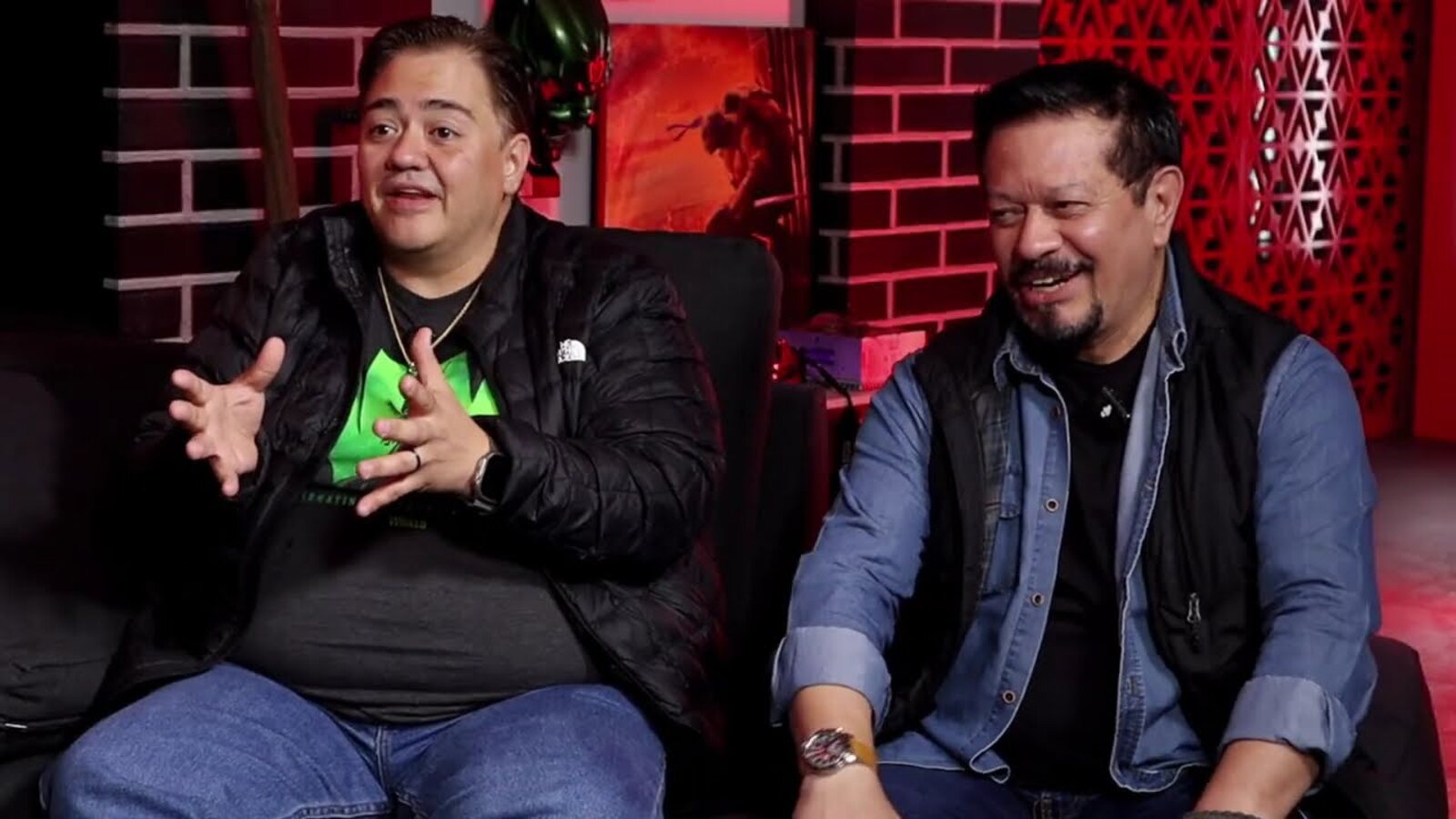
Lalo Garza and Carlos Segundo on La Lata. Image: La Lata, on YouTube
He’d said much the same, at greater length, on the YouTube show La Lata, sitting next to Lalo Garza, the Latin American voice of Krillin. Segundo described studios now putting actors’ phones into little sealed pouches at the door. “For us, the phone is our office,” he said. He’d had it happen the day before, recording a feature.
He added a wrinkle that rates negotiators will recognise. He’d just done a project where the contract required posts and collaborations, and it paid decently, “because my numbers are going up”. In other words, the silence lifts when an actor has followers to offer.
Garza’s answer: charge for it
Garza didn’t agree with all of it. When Segundo said dubbing actors “aren’t allowed to grow” so that they never reach a star talent’s audience, Garza cut in: “I have 7 million followers on TikTok and I didn’t ask anybody’s permission to grow.”
Then he told a story worth copying. A client wanted him to promote a series he was dubbing, at the normal scale. “So you want my free publicity?” was the gist of his reply. He asked for a higher fee per episode and offered a set number of posts a week in exchange. They told him no way. “Two weeks later they told me: all right, yes.”

Why producers do it anyway
Segundo is fair about the other side. “It’s simple marketing, not because the people who are going to dub the production have more or less talent,” he told El Universal. On La Lata he walked through the arithmetic a producer does: price the ad, the airtime and the announcer, compare that with a fee to someone whose audience comes free, and the celebrity looks like a bargain.
He doesn’t dismiss every famous voice, either. He names Maite Perroni, Irán Castillo and Sergio Sendel as people who did the job well, and gives Eugenio Derbez full marks for Donkey in Shrek, “supported by the wonderfully creative texts of Gus Rodríguez, who was a creative genius”.
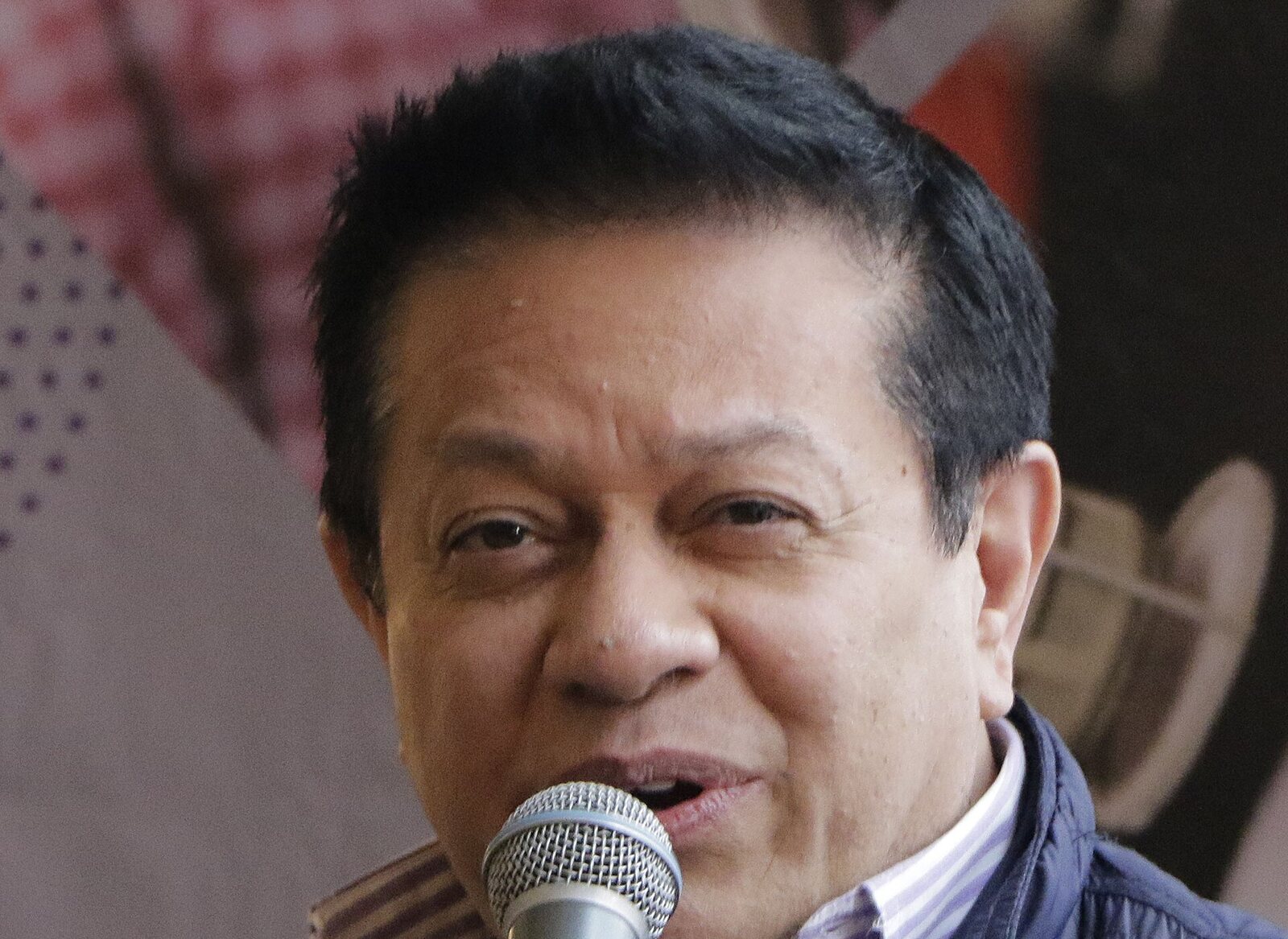
Carlos Segundo in 2019. Image: Secretaría de Cultura de la Ciudad de México, CC BY 2.0, cropped
His real doubt is whether the marketing does what it claims. “People don’t go to the cinema for the voice of Luisito doing Sonic, they go because they want to hear Luisito, they don’t want to hear Sonic,” he said on La Lata, meaning the YouTuber Luisito Comunica. “And what we argue is that we want to hear Sonic.”
The clock nobody mentions
There’s one more cost, and it lands on the director. Garza, who directs as well as acts, said the conditions can be one short session to get 60 loops out of a star talent, loops being the short numbered chunks a dub is recorded in. It’s barely more than a professional would need. “And too bad. However it comes out,” is how he described the instruction. “I say it with full knowledge.” Segundo: “Yes, me too.”
Compare that with a celebrity dub that was given room. Garza recalled the TV host Facundo voicing Firulais, the Rugrats’ dog Spike, in the film where he finally talks. It was the same number of loops, he said, spread over a whole week of afternoons.
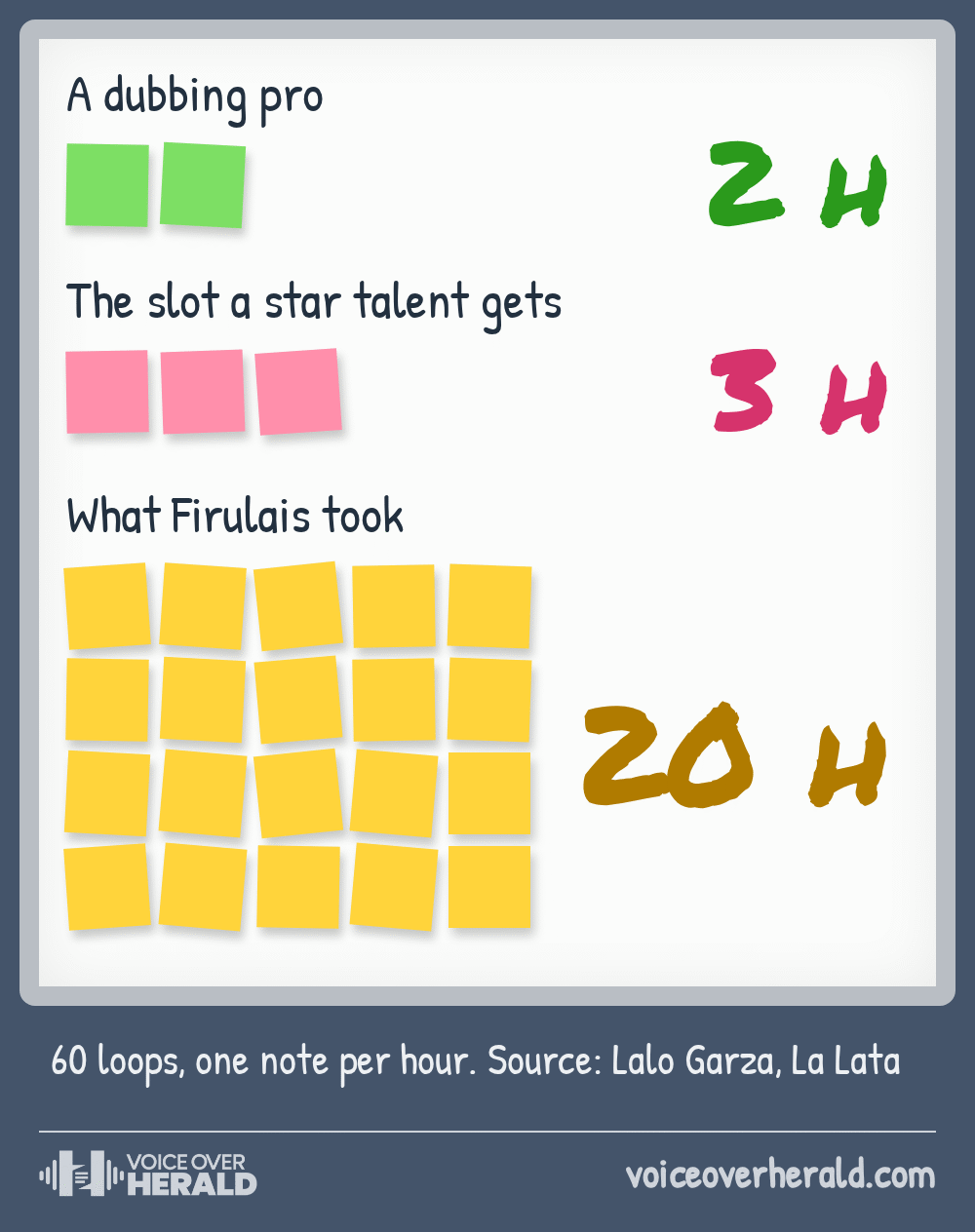
Directors don’t get a vote, he added. If the client picks a name, the director accepts it or resigns, so it isn’t fair to crucify them for the result.
Wildwood changed the mood
The timing isn’t an accident. Mexico has spent a month arguing about Laika’s Wildwood, whose first Spanish dub gave three leads to Macarena García, Natalia Téllez and Javier Ibarreche. As Voice Over Herald reported on 11 November, the distributor answered the complaints by releasing a second version with dubbing professionals in those roles. El Informador says it has been very well received in cinemas.
Segundo’s verdict on all that is calm. “People are totally free to accept or reject a dub they don’t like, and it doesn’t matter whether it’s a star talent or a dubbing actor who did it badly,” he said. “That’s for people to decide.”
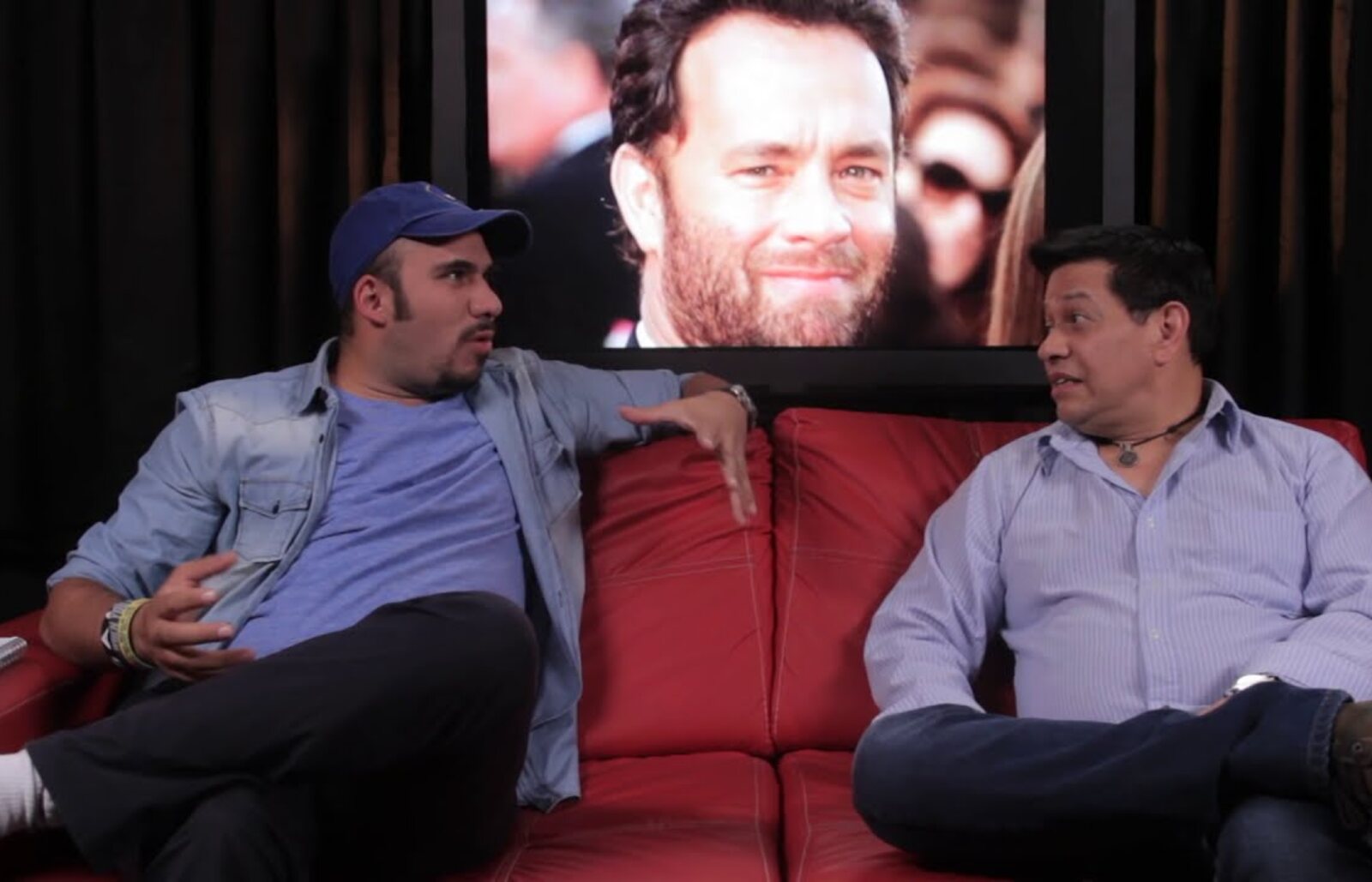
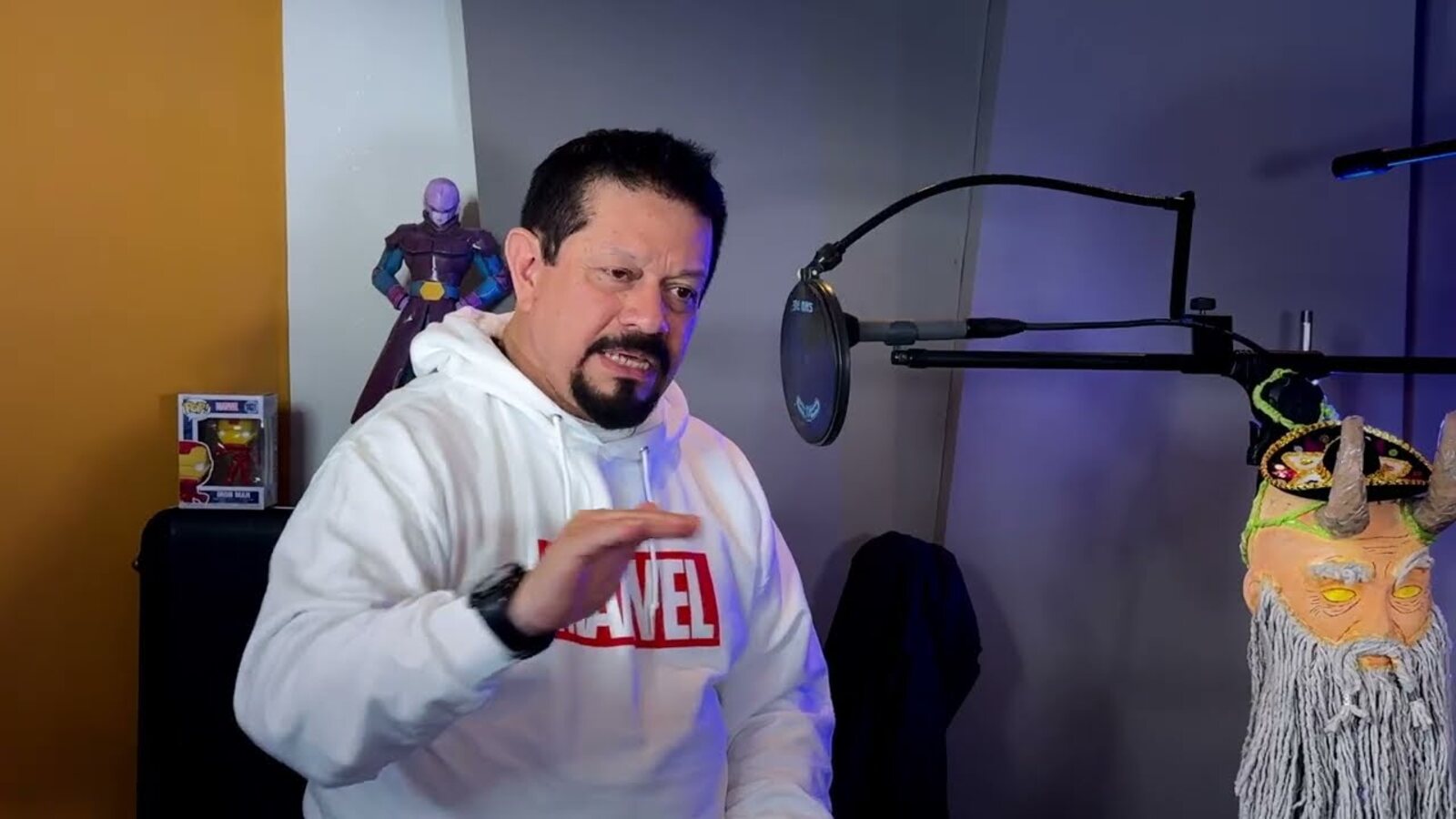
Carlos Segundo, right, on EstoEs Combo. Image: EstoEs Combo, on YouTube
“Never charge cheap”
What can a working voice actor do with this? Segundo has his own rule, and it dates from his start in voice work. On the channel Soy Idzi he credited it to Tena Curiel, the friend who pushed him into voice work. “Never charge cheap. Your work is worth something,” she told him, and if it is, charge the same as the established names, even when someone calls you a beginner.
 VoiceEditSuiteNewThe audio editor that learns how you breathe.Learns from numbers, never your audio. Never used to train AI.See how it works
He explains it with cars. Expensive, he says, is when you charge more than what you deliver is worth. Costly is when they pay a good price and what you hand over is worth it. A Ferrari is costly.
The other lesson is Garza’s. If a contract asks you to post, that’s a second job, so give it a line and a number. If it forbids you to speak, ask for the date the silence ends. Neither question is rude, and as Garza found out, no sometimes means two weeks.
Segundo hasn’t gone quiet himself. On Friday he was at Crunchyroll’s Dojo de Doblaje in Mexico City, alongside Carla Castañeda, Ricardo Brust and Gaby Gris, coaching fans through villain lines. The luchador Villano III Jr. got a lesson too.
Sources: El Universal interview as carried by El Informador, 20 November 2026, and El Mañana, 24 November 2026; La Lata, “#DebatemEsta”, on YouTube; Soy Idzi, on YouTube; Reporte Índigo, 23 November 2026; Récord, 22 November 2026. Quotations translated from Spanish by Voice Over Herald. Main image: Soy Idzi, on YouTube.
Lee este artículo en español: La voz latina de Piccolo dice que en el doblaje cobran la décima parte que un star talent, con un contrato que los deja callados
Know something about this story, or spotted an error? Tell the newsroom.