
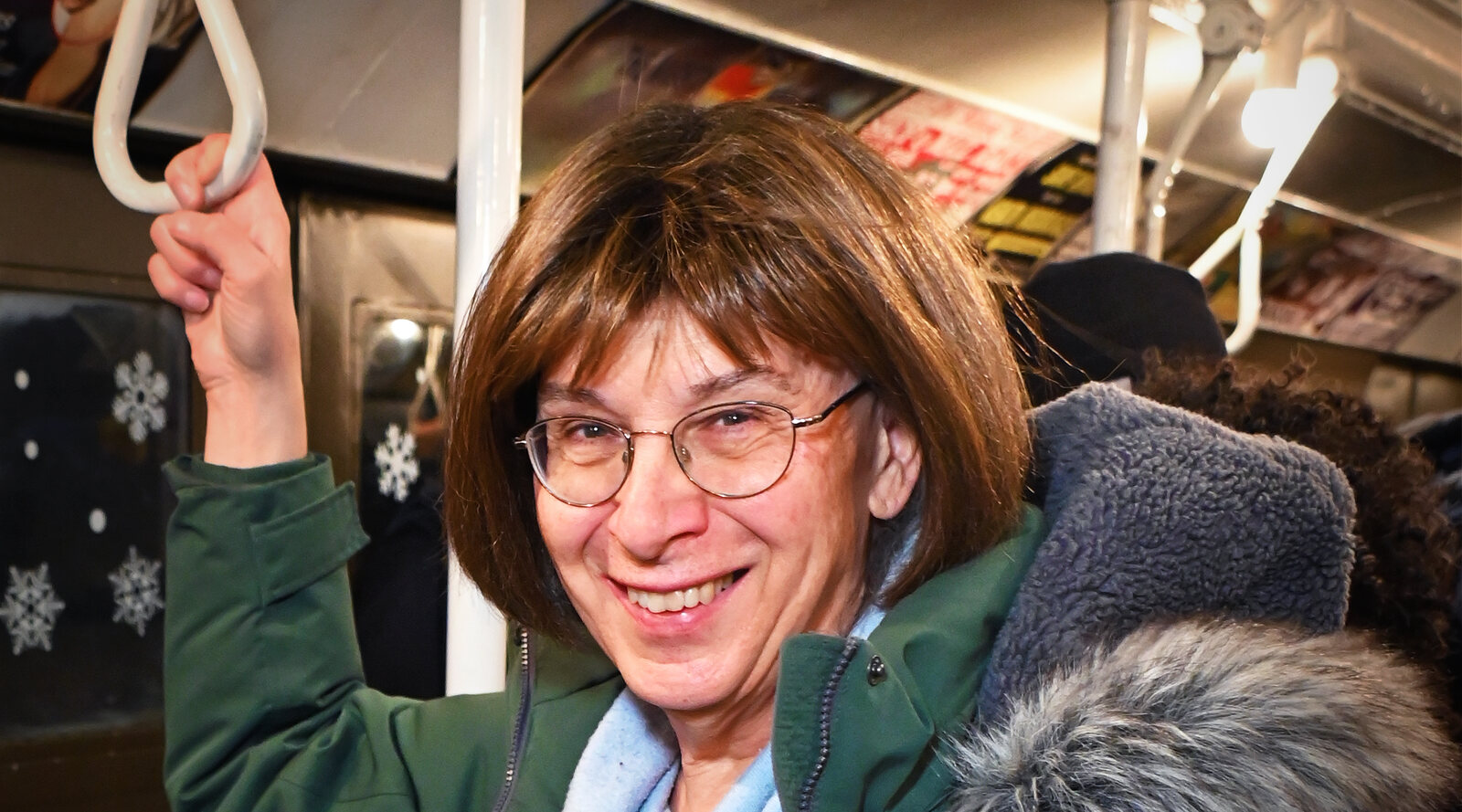
Bernie Wagenblast Recorded New York’s Subway in a Thousand Pieces. One Word Still Sounds Odd to Her
Bernie Wagenblast spent about two days in a New Jersey studio in 2009 saying numbers, directions and half sentences. A computer has been gluing them together on New York’s subway platforms ever since. Her career is a working lesson in flat reads, long client relationships and looking after a voice for half a century.
“Please stand away from the platform edge.” If you’ve waited for a train on New York’s numbered lines, you know the read: calm, friendly, in no hurry. It belongs to Bernie Wagenblast, a former traffic reporter from Cranford, New Jersey, who’s also heard on the AirTrain at Newark airport and on PATCO trains between South Jersey and Philadelphia.
“It’s still kind of cool. I still get a little bit of a thrill when I hear it,” she told News 12. Plenty of riders don’t know the other half of the story. Wagenblast came out publicly as a transgender woman in January 2023, trained a new everyday voice, and kept the old one for work.
Hear the voice: Bernie Wagenblast switches into the subway read at the microphone. Video: 60 Second Docs, on YouTube
A kid reading the newspaper to nobody
The plan was set by fifth grade: radio. Every morning she’d pick up The Star Ledger and read it out loud. “I would read the newspaper out loud and just try to be able to read it without stumbling. To be expressive with my voice. To be able to pronounce words,” she told the New York City Trans Oral History Project in December 2023. At school she joined the Announcers Club, which read the morning notices over the speakers.
Seton Hall University had a real station, WSOU, and that decided where she’d study. She did newscasts, sport, disc jockey shifts and engineering, and was station manager by senior year.
In 1979 a company called Shadow Traffic arrived in New York, providing traffic reports to most of the radio stations in and around the city, and it needed young reporters who’d work split shifts. She was on WABC and 1010 WINS in drive time. “I thought at the time that it was just a radio job,” she said. “What I didn’t realize was that it was my introduction to the world of transportation.”
The client was an old colleague
Here’s a part of the story that rarely makes the headlines. There was no casting call that she’s ever described. After radio and a spell selling ad time that she says she was terrible at, she spent about a decade at the Port Authority of New York and New Jersey, running operations at TRANSCOM, which shares traffic information between the region’s agencies.
Colleagues there knew about the radio years. When somebody needed a construction update or a commercial about roadworks at the Lincoln Tunnel, “I would be the one that they would turn to to voice those,” she said.
She left in 1996. Thirteen years later, a contact at the Metropolitan Transportation Authority was put in charge of countdown clocks, the signs and announcements that say how long the next train will be. He remembered. “He knew my background and that I was a voiceover person, although I didn’t do a whole lot of that,” she said. “I wasn’t sure exactly what that involved, but it sounded like fun.”
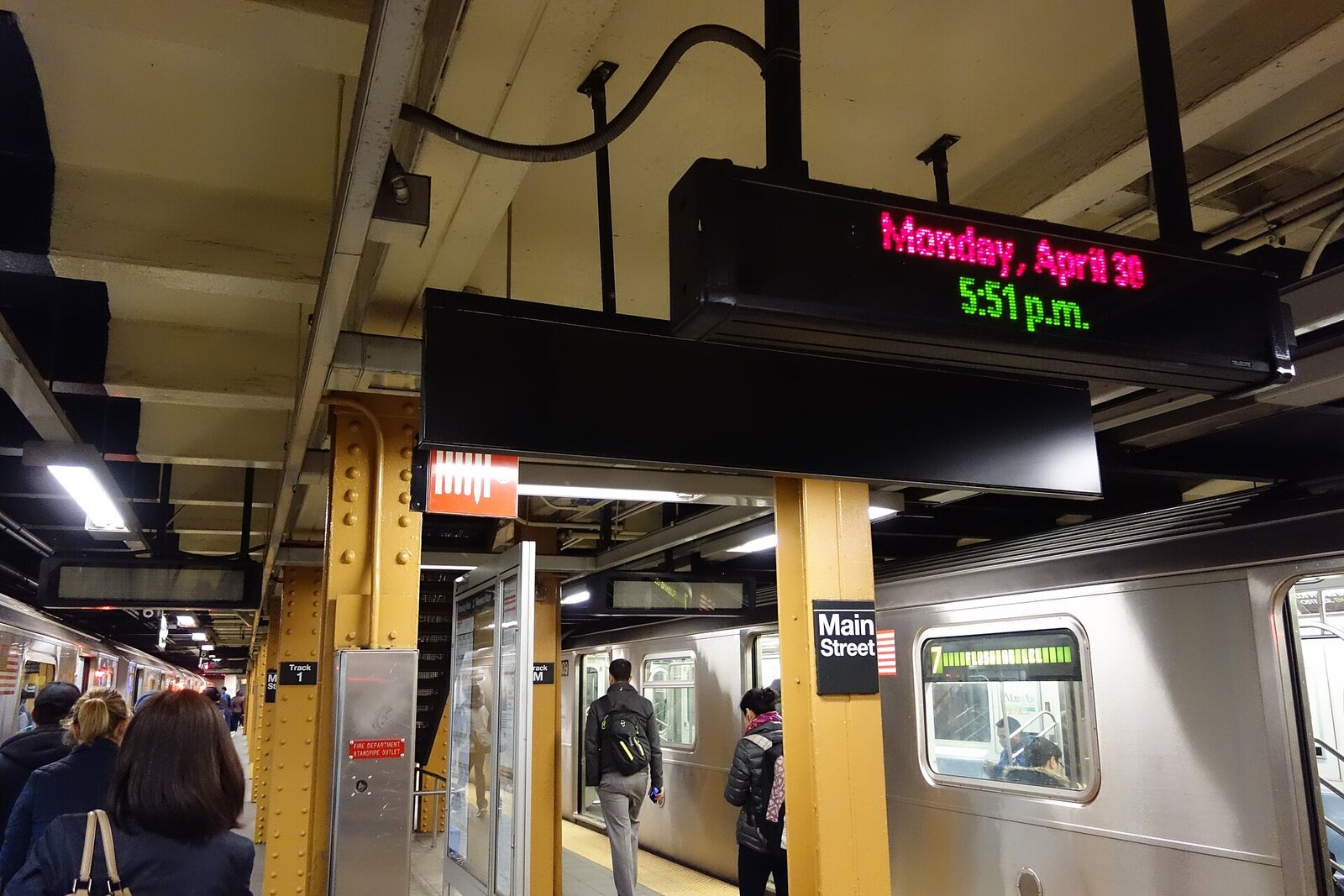
A countdown clock at Flushing-Main Street, on the 7 line. Image: Tdorante10, Wikimedia Commons, CC BY-SA 4.0
Two days of not performing
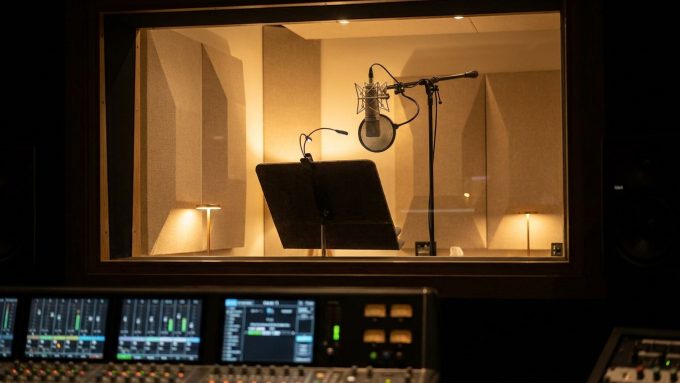
The session was at a recording studio in Rutherford, New Jersey. She told The Setonian, Seton Hall’s student paper, that she “spent about two days recording approximately one thousand different statements. Most of them were just individual words or short phrases.” Street numbers ran from first up past 200. “Please stand away from the platform edge” was one of the few whole sentences on the list, and probably the longest.
Joining clips like that is called concatenation, and the trap is performing. “Here I had to be kind of flat with the voice and not be too expressive, because if you’re too expressive and you don’t know exactly when that recording is going to appear in the final version, it could sound a little bit sing-songy,” she explained to the YouTube channel @walzr.
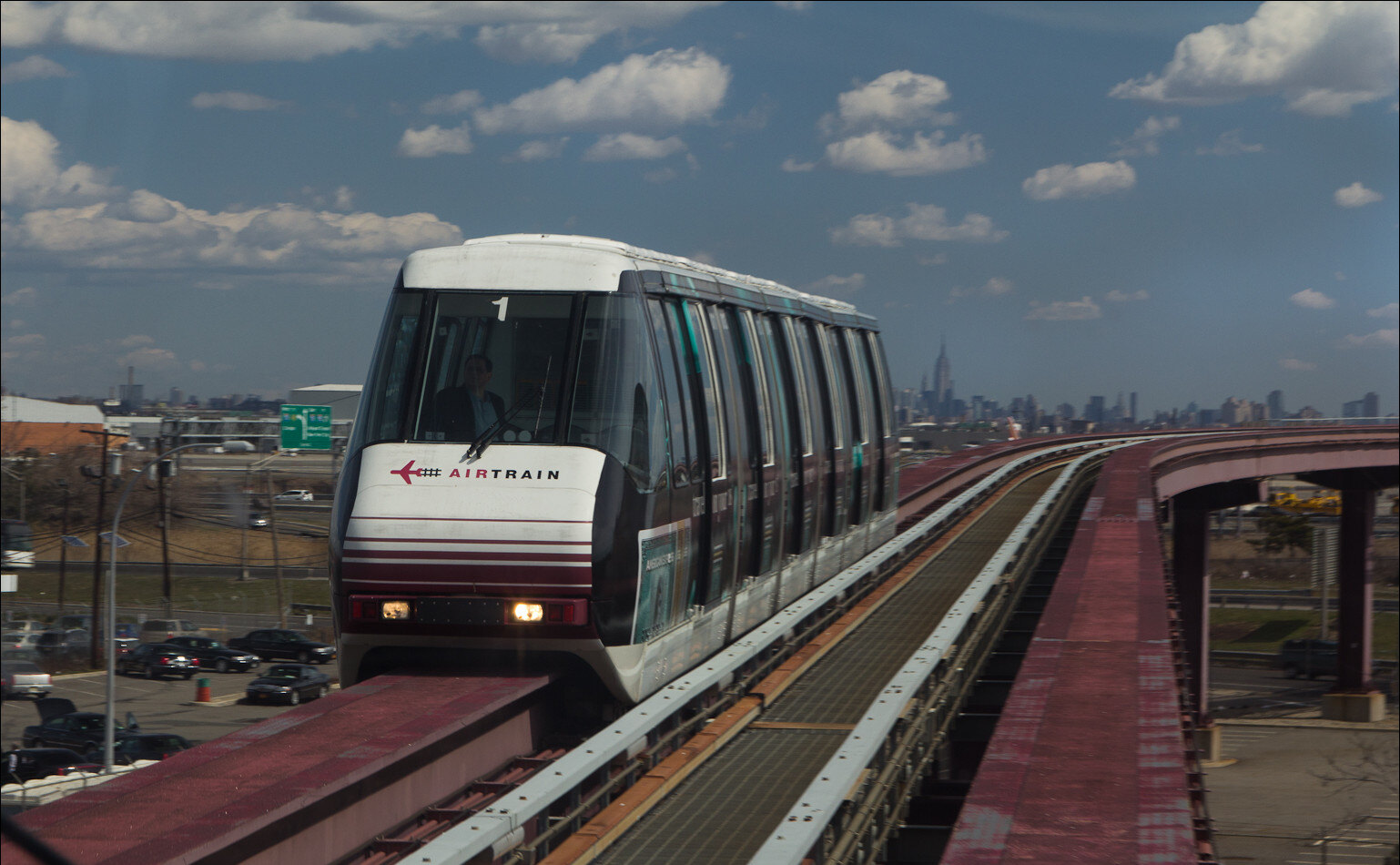
The AirTrain at Newark airport. Image: Oleg Brovko, Wikimedia Commons, CC BY-SA 2.0, cropped
The Newark AirTrain job was the opposite. It came a little before the subway, and the copy was whole sentences: the next stop, then a list of airlines. “Those were a little bit more expressive because you’re doing whole sentences,” she said. In a short film by Chuck Stanley she records the airline list, decides she doesn’t like how “Delta” came out, and goes back to read that one word again.
The subway platform
Single words and short phrases, joined later by a computer. Keep pitch and energy level, because you won’t know what comes before or after.
The airport train
Full lines that play as recorded. You control the shape, so there’s room for a smile and some melody.
She still hears the takes with a voice actor’s ears. “You’re always self-critiquing,” she told @walzr. “You hear it and, ‘Okay, I could have done that a little bit better.'” One word gets her every time. It’s in the line everybody knows, and on the recording it goes up at the end.
Nearly all of it dates from 2009. In a 2023 video interview with The Messenger she said there had been one more sizeable batch, a few dozen recordings in early 2020, and by that December she’d done a few more.

A smile for someone who’s lost
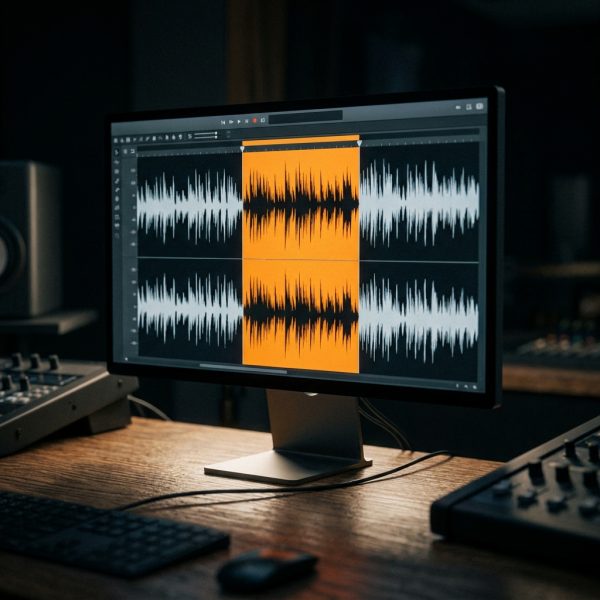
On her routine, in the Stanley film from before her transition, the steps are ones any home recordist will recognize: the script arrives, she sits down at the desk, records into software, then edits. She prefers mornings, “because that tends to be the time of day when I think my voice sounds its best.”
Then there’s the intention behind the read. In a Port Authority interview in 2017 she said: “I try to keep a smile in my voice when I do the recordings because I realize that people listening to me may be stressed or confused.”
She put it more modestly to Muse by Clios in November 2025. “Much of my voice work is what might be considered routine, but I try to sound welcoming,” she said. Asked who impresses her, she named audiobook narrators. “I am in awe of how a good audiobook narrator can create distinct voices for a wide variety of characters spanning age, gender, accents and more.”
Two voices, one booth
Before coming out, Wagenblast told her biggest clients herself. She called the MTA and the Port Authority months ahead, “because I didn’t want them to be caught unaware,” she told The Messenger. The work stayed.

 VoiceEditSuiteLoudness NormalizerHit the broadcast spec first time.ACX, EBU R128, Spotify and podcast presets.See how it works
The voice was another matter. She saw voice therapists, watched videos and practiced by reading aloud, just as she had as a child. “I could do it, you know, maybe for 30 seconds at a time before I would lose it,” she told the oral history project. The job was moving resonance out of the chest she’d relied on in radio. “You have to learn how to readjust the muscles in your throat, how do you raise your larynx, how do you change the resonance,” she said to The Messenger. Being a voice actor, she said, helped, because she already knew how to play around with her sound.
She decided to keep the lower register too. “Since that was part of how I made my living, I did not want to just totally get rid of that voice,” she said. She calls it her guy voice, says hearing it doesn’t bother her, and switches into it for announcements. “Sometimes the guy voice will break. It’s kind of like going through puberty again,” she told 60 Second Docs, laughing as “World Trade Center” cracked on mic.
What the platform led to
Fifteen years of being overheard turned into a calling card. In June 2024 a sound engineer in Toronto rang about an album, and she had to sign a non-disclosure agreement before learning anything else. It was Warriors, the concept album by Lin-Manuel Miranda and Eisa Davis, and they wanted her as the train conductor. “Lin is a big fan of yours,” the engineer said. Her voice introduces the record. An off-Broadway voice part in Dylan Mulvaney’s one-woman show followed.
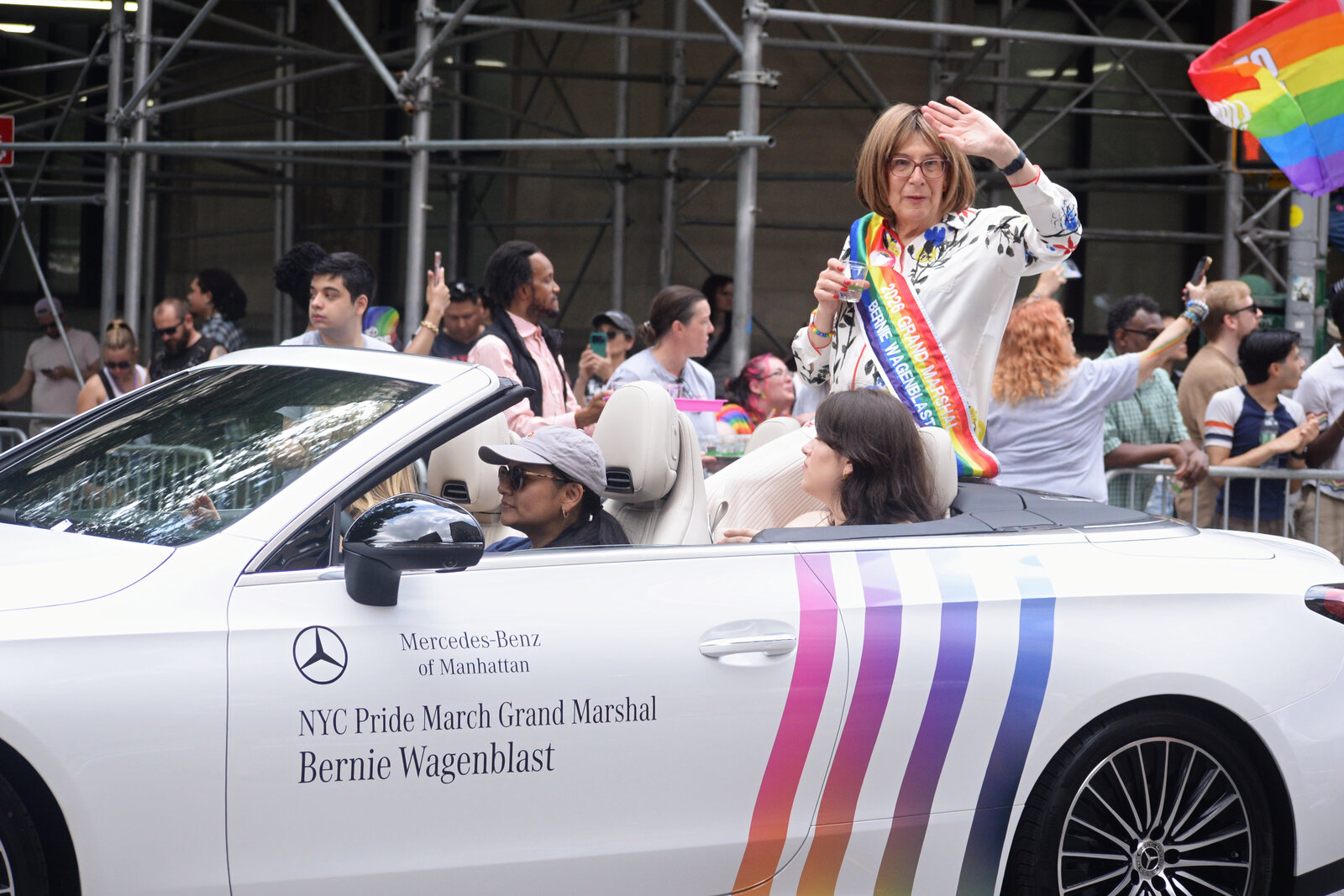
Bernie Wagenblast at the NYC Pride March, June 2026. Image: Sashimi-b, Wikimedia Commons, CC BY-SA 4.0
She still makes newsletters and podcasts, including Transportation Radio and an interview show about her hometown, the closest thing to the small-town station she once hoped to own. In June 2026 she was a grand marshal of the New York City Pride March. “For most of my career, I was seen as a straight, cis, white guy. With that came a lot of privilege,” she told NY1 that month.
And the read itself hasn’t moved. “It’s still the same recordings that were recorded back in 2009,” she told The Messenger. For anyone who thinks of prompts and phone menus as filler between real jobs, that’s a thought worth keeping: the dullest two days on your calendar may be the ones a city remembers.
- Tell people you do voice work. Her best known job came from a colleague at a desk job she’d left 13 years earlier.
- Ask how the audio will be used. Pieces for a computer need a level read; whole sentences can breathe.
- Read aloud daily. It built the radio voice, and it built the second one.
- Warn clients early about change. She called before the news did.
Sources: interviews with Bernie Wagenblast by the New York City Trans Oral History Project (December 2023, public domain transcript), The Messenger, 60 Second Docs, @walzr and Chuck Stanley on YouTube, News 12, The Setonian (February 2025), Hi’s Eye, Muse by Clios (November 2025), NY1 (June 2026) and the Port Authority of New York and New Jersey (2017). Quotations from the videos were transcribed by Voice Over Herald. Hero image: PhilipRomanoPhoto, Wikimedia Commons, CC BY-SA 4.0, cropped.
Lee este artículo en español: Bernie Wagenblast grabó el metro de Nueva York en mil pedazos. Una palabra todavía le suena rara
Know something about this story, or spotted an error? Tell the newsroom.